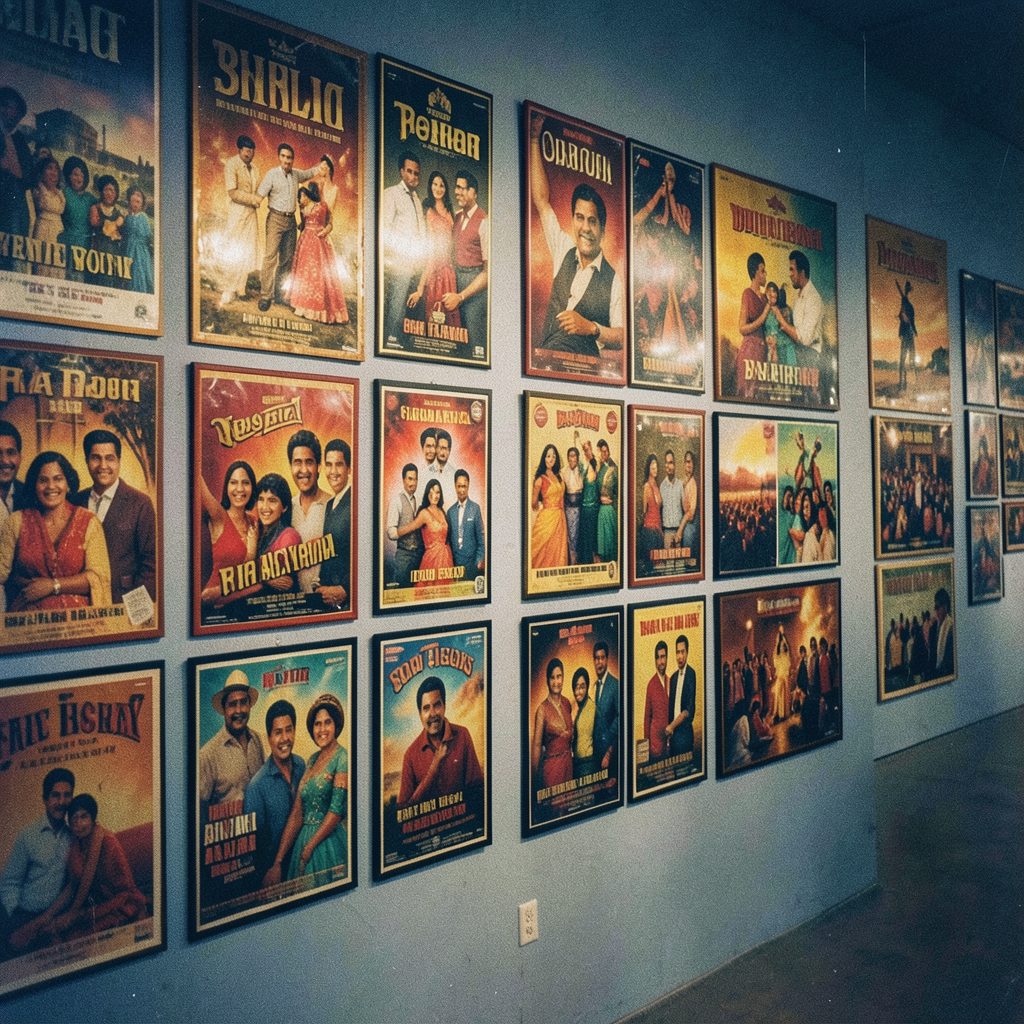

The Real Cost of Bollywood’s Most Lavish Wedding Scenes
Bollywood weddings are designed to look limitless. Guests arrive in coordinated costumes, palaces glow under thousands of lights, choreographed dancers fill the frame and every ritual seems to unfold on a scale larger than real life. These sequences sell romance, family prestige and fantasy at the same time, making them some of Hindi cinema’s most memorable visual spectacles.
The figures behind them are harder to establish. Indian studios rarely publish a scene-by-scene budget, and a wedding sequence may share locations, costumes, dancers and production staff with the rest of a film. The most useful approach is to separate the fictional wedding’s value from the cost of creating it, then compare those expenses with the realities of staging an Indian celebration in Australia.
Why Wedding Scenes Become Major Production Expenses
A lavish wedding sequence can involve several days of filming, hundreds of background artists, specialist choreographers, elaborate sets and multiple costume changes. A song may require a palace courtyard, a decorated mandap, a reception hall and an outdoor procession, even though the finished version lasts only a few minutes.
Set construction is often a major cost. Productions may build temporary versions of palace interiors or wedding venues at a studio rather than transport a large unit to a heritage location. Lighting rigs, generators, cranes, camera tracks, artificial flowers and ornamental furniture add to the bill. A large set also needs safety staff, carpenters, electricians, dressers and cleaners.
Location shooting brings a different collection of expenses. A palace or luxury hotel may charge high hire fees, while transport, accommodation and catering increase the daily cost of a travelling unit. In Australia, a comparable shoot in Sydney or Melbourne could require council approvals, traffic management, public liability insurance and location fees. The visual glamour on screen is therefore supported by a complicated logistical operation.
The Films That Set The Luxury Benchmark
Hum Aapke Hain Koun..! helped establish the modern Hindi film wedding as a complete entertainment experience. Its rituals, songs, family gatherings and carefully coordinated costumes made the celebration central to the story. The film’s influence is visible in the way later productions treat the sangeet, mehndi and reception as major set pieces rather than brief plot details.
Kabhi Khushi Kabhie Gham expanded that template through designer clothing, grand interiors and a wealthy Delhi family whose celebrations appear almost palatial. The wedding atmosphere is part of the film’s character building: scale communicates status before the dialogue does. Productions of that era frequently relied on large indoor sets, extensive extras and polished art direction rather than trying to capture every event at a real wedding.
More recent examples push the spectacle further. Yeh Jawaani Hai Deewani used destination-wedding imagery, energetic choreography and a highly recognisable Rajasthan setting, while Prem Ratan Dhan Payo leaned into palaces, royal costumes and ceremonial grandeur. Rocky Aur Rani Kii Prem Kahaani mixed Bengali and Punjabi wedding traditions with fashion-led styling and large musical numbers. Public reports often describe these films as expensive productions, but a precise cost for one wedding scene should be treated as an estimate rather than an official figure.
What The Numbers Usually Include
A useful Indian industry shorthand is the crore: ₹1 crore equals ₹10 million. At an exchange rate that moves around ₹1 to A$0.018, ₹1 crore is roughly A$180,000, although currency fluctuations can change the Australian equivalent. A lavish wedding song that appears to cost several crores may therefore represent hundreds of thousands of Australian dollars before marketing, post-production and distribution are included.
The largest line items are usually talent, choreography, art direction, costumes and location work. A star’s fees may be negotiated across the entire film rather than assigned to the wedding sequence. The same applies to a leading choreographer, designer or composer. This makes it misleading to claim that one song “cost” a particular amount unless the producers have released a detailed breakdown.
Costume can become especially significant when a film uses hand-embroidered lehengas, sherwanis, jewellery and custom accessories for principal actors, dancers and supporting performers. Some pieces are borrowed or sponsored by fashion houses, while others are made specifically for the production. Jewellery may be imitation, rented or digitally enhanced, and the distinction is rarely obvious to the audience.
Post-production adds another layer. Editors may combine footage from several days, remove visible repetitions, enhance crowds and extend fireworks or lighting effects with visual effects. Music rights, playback singers, rehearsals and promotional appearances can also be connected to the wedding song. The apparent price of the ceremony is really a bundle of production and publicity decisions.
How A Bollywood-Style Wedding Compares In Australia
Indian-Australian weddings in Sydney, Melbourne, Brisbane and Perth often spread across several events: engagement functions, mehndi, sangeet, the ceremony and reception. Australian couples may also combine a traditional Hindu or Sikh ceremony with a civil celebration, creating multiple venue, catering and decoration bills. Weekend venue hire, professional photography, makeup, live music and Indian catering can quickly move a celebration into the tens of thousands of Australian dollars.
Sydney’s premium hotels and waterfront venues usually carry higher hire and minimum-spend requirements than suburban halls. Melbourne offers a strong network of Indian caterers, decorators, choreographers and South Asian fashion retailers, which can make specialised planning easier while still leaving couples exposed to peak-season pricing. Guests also commonly travel between suburbs or cities, so transport and accommodation become part of the practical budget.
The legal ceremony is separate from the cinematic ritual. In Australia, couples generally need to lodge a Notice of Intended Marriage with an authorised celebrant at least one month before the wedding, subject to limited exceptions. A sangeet, baraat or mandap ceremony may be culturally central without itself completing the legal requirements. Couples must also consider the 10 per cent GST applied to many goods and services, as well as venue insurance and supplier cancellation terms.
Filming a wedding scene locally would introduce additional compliance. A production might need council permission for public spaces, approvals for road or footpath use, workplace safety planning and permission for amplified music. Copyright and licensing also matter: a famous Bollywood song cannot simply be played in a filmed event without the appropriate rights. These requirements explain why a small Australian location shoot can become expensive even when the guest list is modest.
Reading The Spectacle Without Believing Every Estimate
The number of guests shown on screen is often a production calculation rather than a realistic invitation list. Background artists may be filmed in groups, repeated through editing or placed at different depths to make a venue look fuller. A procession can appear enormous because of camera movement, costume variety and music editing, even if only a few hundred performers were present.
Luxury is also created through controlled repetition. The same floral arrangement may appear in several shots, while a hero costume receives more screen time than dozens of supporting outfits. Digital set extensions can make a decorated courtyard look like a full palace complex. These methods reduce some physical expenses but increase the need for experienced visual-effects artists and post-production time.
For viewers comparing Bollywood budgets with Australian wedding invoices, the key distinction is purpose. A real couple pays for food, guest comfort, legal services and an event that must work live. A film pays for the illusion of abundance, often capturing the same entrance or dance multiple times. A production can spend heavily on a single close-up while providing far less practical hospitality than a real wedding of the same apparent size.
The most credible cost discussion should therefore use ranges and categories. Claims that a particular sequence cost ₹10 crore, ₹20 crore or more may reflect trade reporting, publicity language or an estimate of the entire film. Unless a producer releases invoices, the exact figure remains uncertain. The reliable story is that lavish wedding scenes are expensive because they combine fashion editorial, musical performance, location drama and action-scale crowd management in one package.
That combination explains their enduring appeal. A Bollywood wedding sequence is a cultural advertisement, a character statement and a box-office image, all delivered through colour and music. For Australian fans, the most revealing comparison is not whether a local wedding can reproduce a palace fantasy, but which elements create the effect: coordinated styling, layered rituals, strong lighting, choreography and a carefully chosen setting.
For a realistic comparison, begin by converting the reported rupee figure into Australian dollars, then separate talent, venue, costumes, dancers, music rights, post-production and GST before treating any Bollywood wedding estimate as a true production cost.