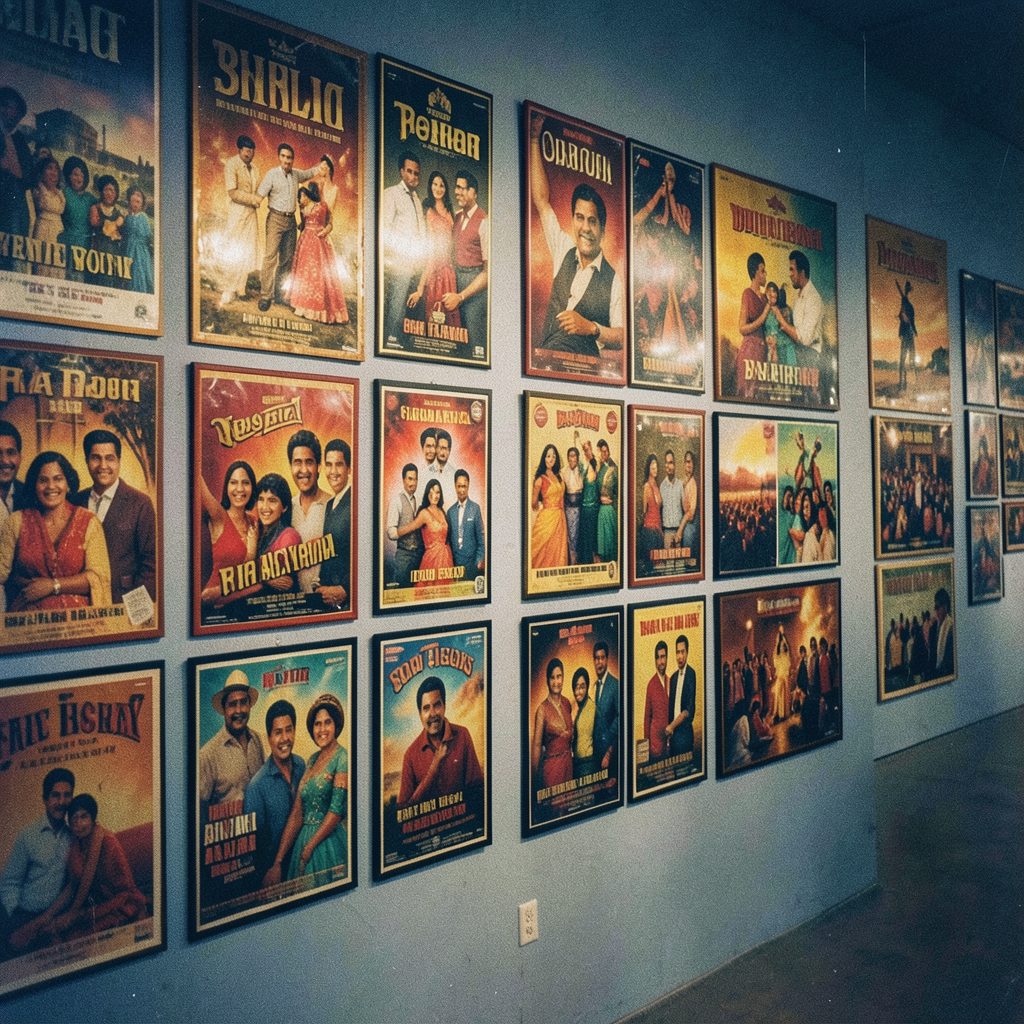

Why Bollywood Dubbed Films Are Winning Southern Audiences
Bollywood has long travelled beyond Hindi-speaking India, but its reach in the southern states has entered a stronger and more commercially important phase. Films originally made in Hindi are now finding larger audiences through Tamil, Telugu, Kannada and Malayalam versions, supported by streaming platforms, social media clips and more organised theatrical releases.
This shift reflects changing viewing habits as much as language preference. Audiences in Tamil Nadu, Telangana, Andhra Pradesh, Karnataka and Kerala are comfortable moving between regional cinema, Hindi blockbusters and international entertainment. A well-produced dubbed version can now feel like a mainstream release rather than a secondary alternative.
The trend is also relevant for overseas viewers. In Australia, Indian communities in Sydney and Melbourne often follow several film industries at once, while cinemas in suburbs such as Harris Park, Parramatta and Dandenong regularly cater to South Asian audiences. For these viewers, a dubbed Bollywood film can be an easy group outing, a streaming choice or part of a Diwali weekend celebration.
Regional Language Markets Create New Opportunities
Southern India has some of the most sophisticated film audiences in the country. Tamil, Telugu, Kannada and Malayalam cinema each have strong stars, loyal fan communities and distinct storytelling traditions. Hindi films entering these markets must therefore offer more than familiar actors or large production values.
Language localisation helps remove the first barrier. Viewers can understand jokes, emotional exchanges and action dialogue without depending on subtitles. This is especially important for family audiences, older viewers and people watching films in busy cinema environments where reading every line can reduce immersion.
The success of dubbed versions also comes from improved marketing. Distributors increasingly promote the regional-language release with local trailers, posters, interviews and social media campaigns. When the Tamil or Telugu version receives a proper release date and visible advertising, audiences are more likely to treat it as a genuine theatrical event.
From Necessary Translation To Entertainment Strategy
Earlier dubbed films often had uneven voice performances, awkward translations and limited promotion. Today, major studios invest in professional dubbing artists, script adaptation and sound mixing. The aim is to preserve the personality of the original performance while making the dialogue natural in the target language.
The approach is particularly effective for action films, fantasy adventures and mass entertainers. These genres depend on momentum, spectacle and character appeal, allowing the story to travel across linguistic boundaries. A strong regional dub can make a star’s dialogue feel local without erasing the film’s Hindi identity.
Streaming has accelerated this change. A film may arrive in Hindi, Tamil, Telugu, Kannada and Malayalam at the same time, giving viewers control over how they watch it. If a cinema audience prefers subtitles but a family chooses dubbed audio at home, the same title can serve both habits.
Why Southern Audiences Respond
The appeal of Bollywood dubbed releases is not limited to language convenience. Southern viewers often connect with films that offer scale, romance, music, comedy and action in a single package. Hindi cinema’s visual style can complement local tastes when the storytelling is direct and the emotional stakes are clear.
Music remains another major bridge. A catchy Hindi soundtrack can gain a second life through regional-language versions, dance videos and short-form content. Choreography, fashion and celebrity appearances travel quickly on Instagram, YouTube and regional entertainment channels, making songs valuable promotional tools before and after release.
Several factors help explain the growing audience:
- Easier access through multiplexes, television channels and streaming services
- Professional voice acting that preserves humour and emotional rhythm
- Social media campaigns designed for specific language communities
- Familiar Bollywood stars gaining recognition in southern markets
- Large-scale action and fantasy stories that cross cultural boundaries
| Factor | Earlier Dubbed Releases | Current Market |
|---|---|---|
| Voice work | Basic translation and limited casting | Professional regional voice artists |
| Promotion | General national advertising | Separate campaigns for each language |
| Distribution | Select screens and delayed television premieres | Simultaneous cinema and streaming launches |
| Audience perception | An alternative version | A mainstream regional release |
| Best-performing genres | Broad comedy and action | Action, fantasy, romance and event cinema |
The Role Of Stars, Music And Streaming
A recognisable star can help a dubbed film overcome hesitation. Actors with strong screen presence, distinctive dialogue delivery or established fan bases are often easier to market in a new language. Even when viewers cannot follow the original Hindi performance, the dubbed voice can create a fresh interpretation of the character.
Music videos also extend a film’s life beyond the cinema. A song may become popular through dance challenges, wedding playlists or fan edits before audiences watch the full movie. This matters in southern states, where film music is closely connected with celebrations, local television and online culture.
Streaming services have made discovery far less dependent on theatrical advertising. A viewer who notices a Hindi film trending in Telugu or Tamil can sample it at home without paying for a cinema ticket. Positive word of mouth then spreads across language groups, increasing interest in the original version, other films by the actor or related titles.
For Australian audiences, this dual-language ecosystem is visible on services used by Indian households and through cinema programming in major cities. A Telugu-speaking family in Melbourne may choose the dubbed version for a shared viewing, while a Hindi-speaking friend watches the original with subtitles. Both choices can strengthen the film’s overall reach.
What Helps A Dubbed Film Break Through
Not every dubbed release becomes a hit. The strongest results usually come from a combination of genre, timing, marketing and cultural sensitivity. A translation that sounds unnatural can weaken an otherwise entertaining film, while a well-cast voice performance can make secondary characters more memorable.
Release strategy is equally important. Southern states have crowded calendars, major regional stars and competitive holiday periods. Studios must choose dates carefully, avoid clashes where possible and give local distributors enough time to build awareness.
Key ingredients behind a successful release include:
- Dialogue adapted for natural regional speech rather than literal translation
- Voice casting that matches the age, energy and personality of each actor
- Posters and trailers that communicate the film’s central appeal quickly
- Release dates aligned with school holidays, festivals or major entertainment weekends
- Regional interviews and creator content that make the campaign feel local
The Australian market adds another layer. Screenings may be concentrated in Sydney, Melbourne, Brisbane and Perth, with showtimes shaped by diaspora demand rather than nationwide mainstream interest. Event Cinemas, HOYTS and independent multiplexes may add Indian-language sessions when advance bookings look strong, especially around Diwali or major school holiday periods.
A Broader Future For Hindi Cinema
The rise of regional dubbing suggests that Bollywood’s future will be less dependent on a single language identity. Hindi cinema can retain its cultural character while reaching audiences through carefully adapted versions. This does not replace Tamil, Telugu, Kannada or Malayalam films; it creates a more interconnected entertainment market.
The strongest films will probably be those that respect local viewing habits instead of treating dubbing as an afterthought. Regional promotional material, credible voice performances and release planning can turn a national film into a genuinely shared experience.
For viewers, the benefit is greater choice. A person can watch a Hindi action film in Telugu, revisit it in Hindi with subtitles, or compare how different versions handle a memorable line. That flexibility is now part of the appeal, particularly for younger audiences who move easily between languages and platforms.
Bollywood’s dubbed releases are therefore becoming more than translated copies. They are a distribution strategy, a fan-building tool and a way to connect India’s major film cultures. For Australian viewers, the practical takeaway is simple: check regional audio options, local cinema listings and festival programming, because the version that best suits a group viewing may not be the original Hindi track.