Deepika Padukone’s fashion evolution through film posters
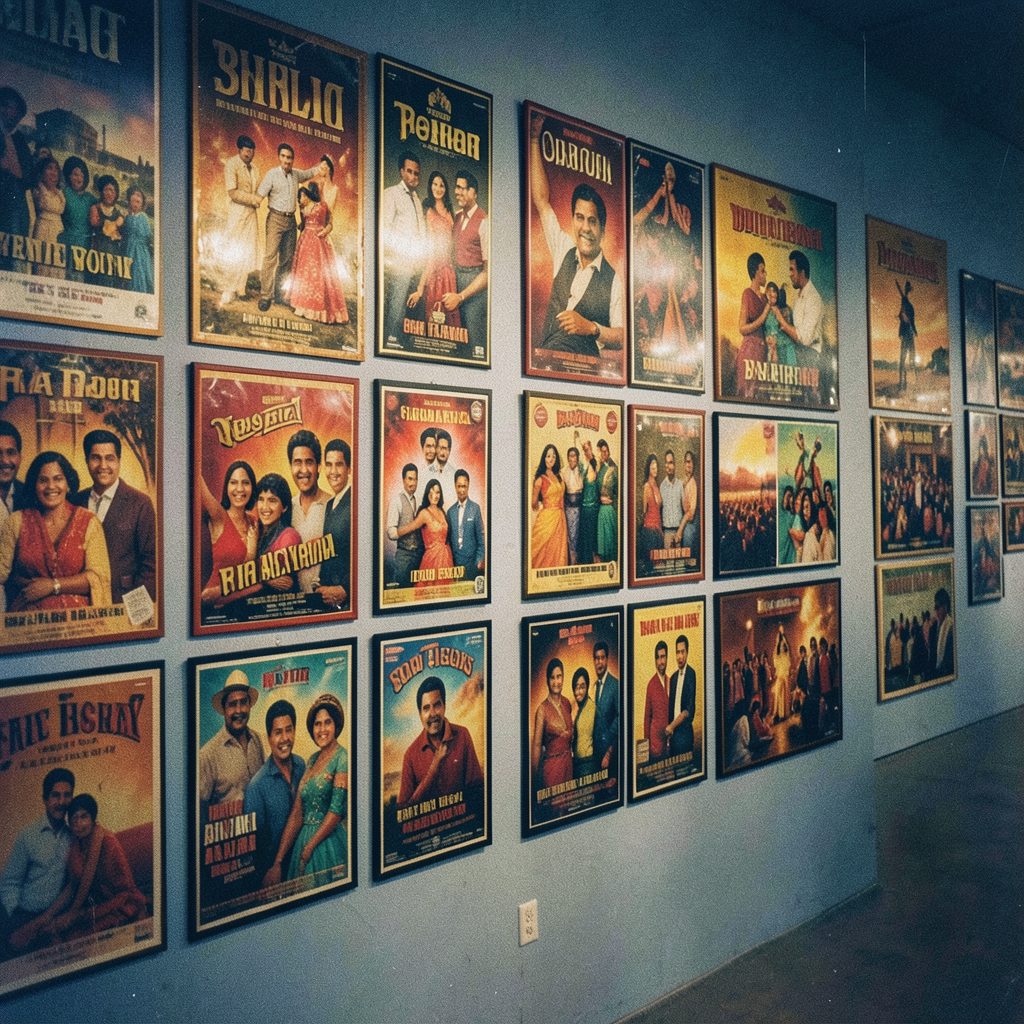
Deepika Padukone’s film posters offer a visual record of how a leading Hindi cinema star can reshape her public image from one release to the next. Long before audiences watch a trailer or enter a theatre, a poster establishes the character’s attitude, social world, and emotional temperature. Deepika’s wardrobe has therefore become an important part of her cinematic storytelling.
From the bright, youthful styling of her early movies to the regal silhouettes of period dramas and the sharp glamour of contemporary thrillers, her poster appearances reveal changing ideas about femininity in Bollywood. Designers, photographers, directors, and the actor herself have used clothing, colour, jewellery, and posture to create instantly recognisable visual identities.
The most interesting shift is that fashion in these posters rarely works as decoration alone. A saree can signal rebellion, a structured jacket can suggest control, and an elaborate lehenga can carry the weight of history. Looking across her filmography makes those choices easier to see.
The fresh appeal of her early screen image
Deepika entered Hindi cinema with a polished yet accessible look. In Om Shanti Om, the contrast between Shantipriya’s classic 1970s styling and Sandy’s more casual modern wardrobe helped establish her range. The posters leaned into expressive eyes, flowing hair, shimmering fabrics, and a star image that felt glamorous without appearing distant.
The film’s retro costumes were especially important because they connected Deepika to the golden age of Hindi film heroines. Sequins, fitted blouses, soft curls, and dramatic sarees gave her a larger-than-life presence, while the second-half styling made her feel younger and more contemporary. Even in a crowded ensemble poster, her silhouette remained easy to identify.
Her later early-career appearances continued this balance between commercial glamour and youthful energy. Promotional imagery for films such as Bachna Ae Haseeno used western casualwear, layered accessories, and relaxed poses to present a modern urban woman. The fashion was less theatrical, but it helped expand her appeal beyond the period-inspired elegance of her debut.
Moving from glamour to character
With Love Aaj Kal, Deepika’s poster styling became more closely tied to character psychology. Her look shifted between contemporary city fashion and a softer period aesthetic, reflecting a story that moved across time. Denim, fitted tops, understated jewellery, and loose hair communicated independence, while traditional clothing added emotional warmth.
This phase showed how her image could mature without losing commercial appeal. Instead of relying only on elaborate costumes, the promotional visuals used posture and styling details to suggest a woman negotiating ambition, romance, and personal identity. The effect was recognisable but less ornamental than her debut-era presentation.
Cocktail pushed that change further. Veronica’s mini dresses, bold colours, statement accessories, and confident body language created one of Deepika’s most memorable modern fashion identities. The posters presented her as unpredictable and socially powerful, using a high-fashion party aesthetic to distinguish the character from the softer romantic leads associated with earlier work.
The power of period silhouettes
Sanjay Leela Bhansali’s films transformed Deepika’s poster image through scale, costume, and visual drama. In Goliyon Ki Raasleela Ram-Leela, vivid ghagras, mirror work, heavy jewellery, and strong colour contrasts made her character appear rooted in a heightened, operatic world. Her clothing was energetic and sensual, yet it also reflected the character’s pride and volatility.
The poster compositions often placed her face, jewellery, and embroidered fabrics at the centre of attention. This was fashion designed to survive in a single still image: bold enough to be read from a distance, detailed enough to reward closer viewing. Her styling became inseparable from the film’s visual branding.
Bajirao Mastani brought a more restrained grandeur. As Mastani, Deepika appeared in flowing anarkalis, ornate headpieces, layered necklaces, and richly coloured textiles. The costumes drew from historical references while maintaining the polished finish expected of a major Bollywood production. The result was a regal image that communicated both romance and vulnerability.
The promotional materials for Padmaavat intensified that royal vocabulary. Jewel-toned lehengas, elaborate veils, traditional bridal ornamentation, and sculptural poses created an image of authority. The poster fashion was carefully controlled: every fabric fold and accessory reinforced the character’s status, discipline, and inner strength.
Contemporary styling and controlled intensity
Deepika’s fashion language changed again with films that placed her in darker, more psychologically charged worlds. In Piku, the posters used simple sarees, practical blouses, tied-back hair, and minimal jewellery to create a believable working woman. The styling felt lived-in rather than ceremonial, allowing personality and family dynamics to lead the image.
That simplicity was a significant step in her visual evolution. The actor did not need elaborate clothing to dominate a poster; a strong expression, a well-draped saree, and an assured stance were enough. The look also reflected a broader movement in Hindi cinema toward character-driven promotional imagery.
For Chhapaak, the visual emphasis became even more purposeful. The posters and campaign materials centred on resilience, emotional directness, and the character’s face rather than conventional glamour. Clothing remained understated, keeping attention on the story and its social importance.
In action-oriented projects such as Pathaan, Deepika’s styling moved toward sleek, functional confidence. Body-hugging silhouettes, leather details, fitted tops, and controlled colour palettes presented her as physically capable and globally polished. The fashion was designed for movement, but it also carried the visual authority of a contemporary action star.
| Film or phase | Poster fashion language | What the styling communicates |
|---|---|---|
| Om Shanti Om | Retro sarees, sequins, classic hair | Stardom, nostalgia, cinematic glamour |
| Love Aaj Kal | Urban separates and softer traditional looks | Independence and emotional transition |
| Cocktail | Party dresses, bold accessories, vivid colours | Confidence, freedom, unpredictability |
| Ram-Leela | Embroidered ghagras and mirror work | Passion, pride, theatrical intensity |
| Bajirao Mastani | Anarkalis, jewellery, historical textiles | Romance, nobility, vulnerability |
| Padmaavat | Veils, royal lehengas, ceremonial ornament | Authority, honour, inner strength |
| Piku and Chhapaak | Everyday sarees and restrained styling | Realism, resilience, character focus |
| Pathaan | Sleek actionwear and fitted silhouettes | Physical power and modern glamour |
When fashion becomes celebrity language
Deepika’s poster wardrobe also reflects the relationship between film promotion and celebrity culture. A carefully styled image can influence red-carpet conversations, magazine covers, fan edits, wallpapers, and social media trends. Her movie looks often remain part of public discussion because they work both as character design and as extensions of her star persona.
This crossover is especially visible when traditional Indian fashion is reinterpreted for major public moments. The same visual vocabulary of sarees, jewellery, and bridal textiles appears in celebrity appearances, festival wardrobes, and wedding coverage. Her influence sits within a broader Bollywood fascination with ceremonial glamour, captured in features about lavish Bollywood ceremonies, where screen-inspired styling often shapes real-world fashion choices.
Yet her strongest poster images do not simply display expensive clothing. They create a complete visual message through expression, body language, lighting, and composition. A costume becomes memorable when it appears to belong to a person with a specific history rather than a star wearing a beautiful outfit.
The details that make a poster memorable
Colour is one of the clearest tools in Deepika’s film marketing. Red and gold have supported images of passion, royalty, and ceremony, while blue, black, and neutral shades have helped create cooler, more contemporary moods. Designers and poster artists use these palettes to make each project distinct before viewers know the full story.
Silhouette matters just as much. Flowing skirts and veils create movement in historical films, while sharp tailoring and compact shapes suggest control in urban or action narratives. Even the way a dupatta is arranged can change the perceived character from romantic to authoritative.
Hair and jewellery complete the transformation. Soft waves recall old-school glamour, tied-back hair suggests practicality, and elaborate ornaments establish social rank. These elements may appear small in a full poster, but they are essential to the visual memory of a role.
For fans studying Bollywood fashion, comparing the original posters with trailers, stills, and official wallpapers reveals how consistently these choices are developed. The strongest campaigns maintain a unified look across every format, allowing one glance to evoke the entire film.
A practical way to read her poster style
- Compare the colour palette before examining individual costumes.
- Notice whether the silhouette is designed for movement, ceremony, or realism.
- Read jewellery and hair styling as clues to status and personality.
- Separate the actor’s celebrity image from the character’s visual identity.
- Track how the same fashion idea changes across different genres.
Deepika Padukone’s poster journey ultimately shows how Hindi cinema builds character through visual shorthand. Her early images celebrated freshness and classic glamour; later campaigns embraced urban confidence, historical grandeur, social realism, and action-ready intensity. Each phase added a new layer without erasing the star quality that made her posters immediately recognisable.
Explore her film posters alongside reviews, trailers, stills, fashion coverage, and Bollywood release updates on Wassupbollywood. Save the looks that define each era, compare the costume details across genres, and follow how Indian cinema continues to turn a single promotional image into a lasting fashion statement.