From Stereotypes To Selfhood In Bollywood Cinema
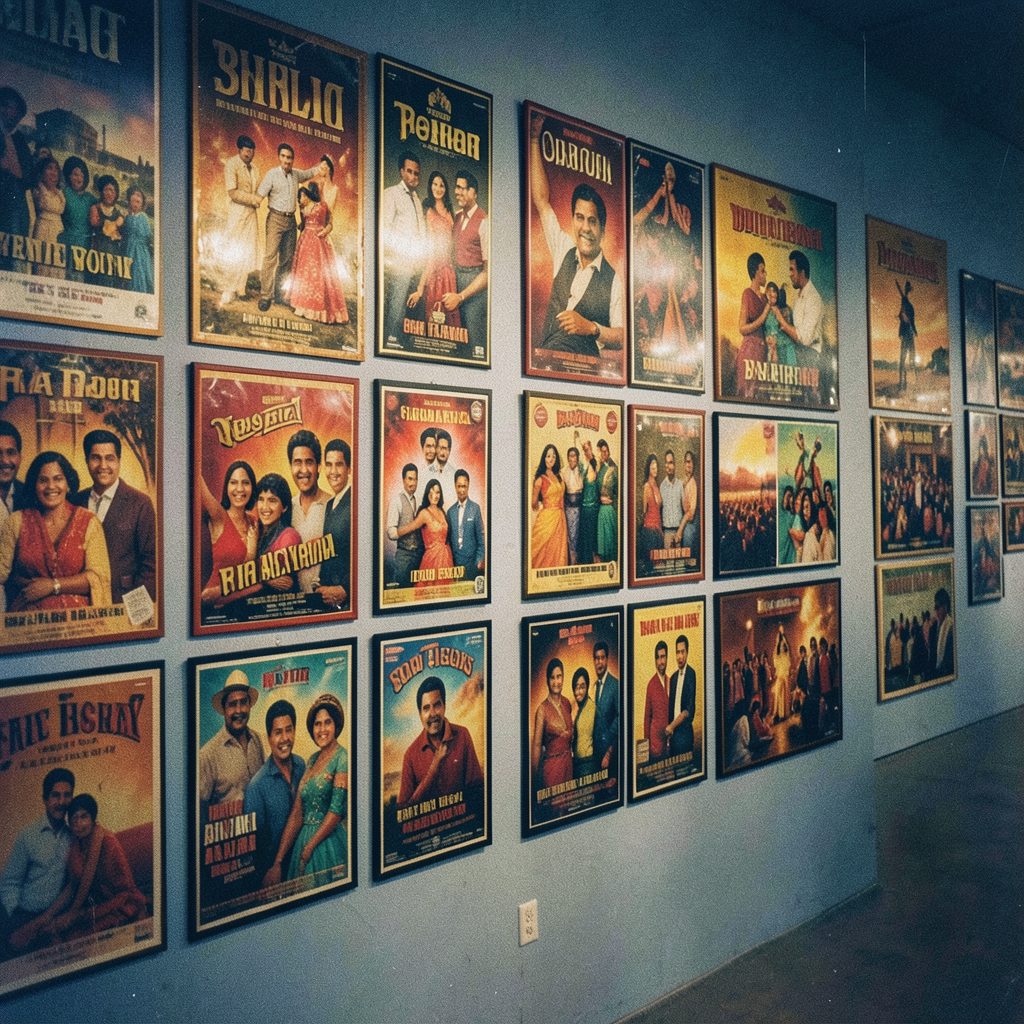
Bollywood’s treatment of LGBTQ+ characters has shifted from comic shorthand and coded suggestion towards stories about identity, family, desire and dignity. The change has been gradual rather than linear, shaped by censorship, court rulings, streaming platforms, changing urban attitudes and the willingness of performers to occupy roles once considered commercially risky.
For Australian viewers, this evolution is easy to follow across cinema releases, streaming libraries and diaspora communities. A Hindi film that opens in Sydney or Melbourne can now reach audiences with very different experiences of sexuality and gender, from young people finding language for themselves to older families negotiating tradition, religion and social reputation.
From Silence To Suggestion
For much of mainstream Hindi cinema, queer characters were absent or heavily disguised. When gay men appeared, they were often reduced to exaggerated mannerisms, effeminate behaviour or a punchline. Lesbian and bisexual women were even less visible, while transgender people were commonly depicted through narrow stereotypes rather than as fully developed individuals.
The 1996 film Fire, directed by Deepa Mehta, marked a major turning point. Its relationship between two married women challenged the assumption that female desire existed only within heterosexual marriage. The controversy surrounding screenings in India revealed how threatening a sincere queer love story could seem to conservative groups. My Brother... Nikhil later brought homosexuality, HIV and family rejection into a more intimate drama, helping move the conversation away from caricature.
These films were important because they gave queer characters emotional interiority. Their stories were not simply about being different; they were about loneliness, loyalty, illness, marriage, secrecy and the cost of living without social permission.
The Comic Shortcut And Its Limits
The 2008 comedy Dostana placed same-sex attraction at the centre of a popular Hindi film, yet its premise depended on two straight men pretending to be gay. The film made homosexuality visible to a mass audience, but it also treated queer identity as a temporary performance used to win a flat. Its humour relied on discomfort, misunderstanding and the idea that masculinity could be protected through a final declaration of heterosexuality.
That tension reflects a wider period in Bollywood. Gay characters could be present if their sexuality supported a joke, a plot twist or a lesson for the straight protagonists. Films such as Student of the Year and various commercial comedies helped normalise queer references, but representation often remained filtered through heterosexual spectatorship.
Still, popular culture can be contradictory. A flawed film may introduce an idea to millions of viewers while reinforcing old assumptions at the same time. For many Hindi-speaking audiences, these comic portrayals were a first encounter with LGBTQ+ themes, even when the films stopped short of offering genuine equality.
Real Lives Enter The Frame
The 2010s brought a more serious and varied wave of queer storytelling. Aligarh portrayed the real-life persecution of professor and poet Ramchandra Siras after his sexuality was exposed. The film focused on institutional prejudice, isolation and the destruction of privacy, rather than presenting homosexuality as spectacle.
Kapoor & Sons placed a gay son inside a wealthy, complicated family. His sexuality was important, but it did not define every scene or reduce him to suffering. Margarita with a Straw explored bisexuality, disability, intimacy and independence through a young woman discovering desire on her own terms. These stories widened the frame by showing that LGBTQ+ people have careers, parents, friendships, ambitions and contradictory personalities.
The evolution of Bollywood’s portrayal of LGBTQ+ characters on screen is especially clear in the move from “issue film” to ordinary family drama. Ek Ladki Ko Dekha Toh Aisa Laga used a mainstream romance structure to tell a lesbian love story, while Shubh Mangal Zyada Saavdhan made a gay couple the emotional centre of a broad Hindi comedy. Neither film solved every representational problem, but both treated queer love as part of everyday Indian life.
Streaming Changes The Conversation
Over-the-top platforms have expanded what Hindi-language entertainment can show. Series such as Made in Heaven have explored same-sex relationships, gender identity, class, marriage and queer nightlife with a level of detail that theatrical films often avoid. Streaming also allows stories to develop over several episodes, giving supporting characters room to become more than symbols.
This shift matters in Australia, where audiences can often access Indian content through Netflix, Amazon Prime Video and specialist South Asian streaming services soon after its Indian release. A viewer in Parramatta, Dandenong or Perth no longer depends entirely on a local cinema schedule. Hindi-speaking households can watch together, while younger viewers may choose private viewing when family discussion feels difficult.
The theatrical market still has influence. Distributors regularly target large Indian-Australian communities in Sydney and Melbourne, with screenings at Event Cinemas, HOYTS and independent venues timed around major releases and festival periods. During Sydney Gay and Lesbian Mardi Gras, queer film programming can also create a useful point of connection, even though Bollywood titles are not always central to the official programme. The contrast between India’s censorship debates and Australia’s legal recognition of same-sex marriage since 2017 gives local audiences an additional lens through which to read these films.
Progress With Gaps Still Visible
Recent films have made representation warmer and more accessible, yet limitations remain. Gay male characters appear far more often than lesbian, bisexual, intersex or transgender characters. Many stories still rely on coming out, family acceptance or marriage as the main source of drama. Queer characters from working-class, rural, Muslim, Dalit or disabled backgrounds remain underrepresented, and casting debates continue when cisgender actors play transgender roles.
Chandigarh Kare Aashiqui attempted to place a trans woman inside a commercial romance, but its reception showed how quickly good intentions can be questioned when trans experience is shaped by a cisgender male viewpoint. Authenticity is not the only standard for evaluating a performance, yet consultation, casting access and narrative control influence whether a character feels lived-in or merely designed for a plot.
| Period | Common Screen Pattern | Significant Examples | Wider Effect |
|---|---|---|---|
| Before the mid-1990s | Queer identity largely absent or coded | Occasional comic or symbolic figures | Limited public visibility |
| Mid-1990s to late 2000s | Serious independent films alongside comic stereotypes | Fire, My Brother... Nikhil, Dostana | Debate enters mainstream culture |
| 2010s | Queer characters gain emotional depth and family context | Aligarh, Margarita with a Straw, Kapoor & Sons | Greater empathy and discussion |
| 2020s | Streaming, romance and ensemble stories broaden access | Made in Heaven, Shubh Mangal Zyada Saavdhan, Badhaai Do | LGBTQ+ lives become part of regular Hindi storytelling |
For Australian fans, the most useful way to read this history is to watch for who gets to speak, love, make mistakes and grow. A practical takeaway is to judge a film by whether its LGBTQ+ characters possess a life beyond their identity, because genuine progress begins when queer people are represented as complete protagonists rather than lessons for everyone else.