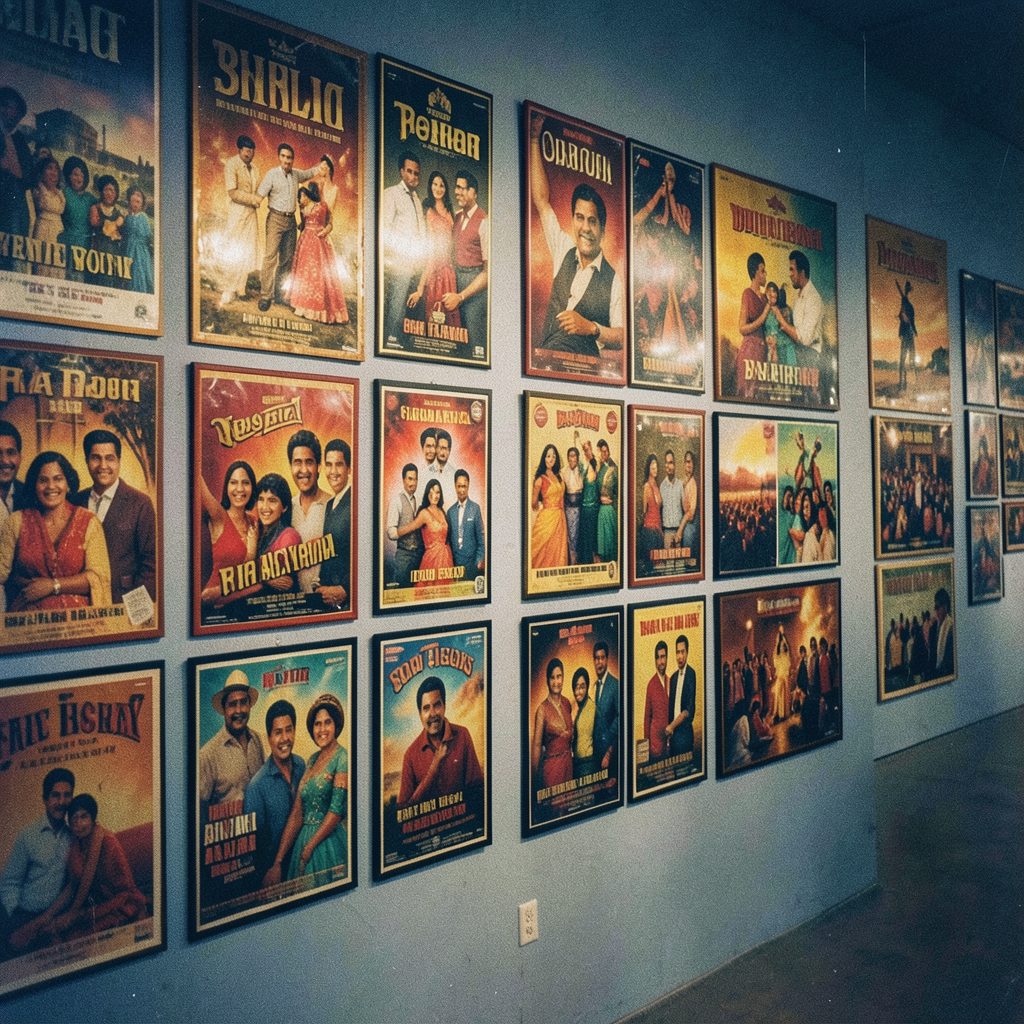

The Economics of Bollywood Film Festivals: From Indore to International
Bollywood film festivals are often presented as glamorous celebrations of stars, music and Hindi cinema. Behind the red carpets, however, they operate as carefully balanced cultural businesses. A festival in Indore may depend on local sponsors, affordable venues and strong community turnout, while an international event must manage currencies, film rights, travel costs, compliance and the expectations of a global audience.
The economics become especially interesting when a festival moves between these markets. A screening can be a promotional tool for a distributor, a networking opportunity for filmmakers, a tourism asset for a city and a social event for fans. For audiences in Australia, from Melbourne’s Indian Film Festival of Melbourne to community screenings in Sydney, the value lies in both entertainment and connection with Hindi-language culture.
Festivals Create More Than Ticket Revenue
Ticket sales are the most visible income stream, but they rarely tell the full financial story. Festival organisers may earn from opening-night galas, premium seating, passes, workshops, merchandise, food stalls and private functions. A popular Bollywood title can lift attendance, while an independent film may attract critics, students and diaspora audiences who are valuable to the festival’s identity.
Sponsorship is often more important than the box office. Banks, airlines, property companies, jewellery brands, streaming platforms and Indian restaurants can pay for naming rights, venue branding or celebrity appearances. Local government support may also be available when the event brings visitors into the city, fills hotels and promotes cultural tourism.
In Indore and other Indian cities, a festival may benefit from relatively low venue and staffing costs compared with London, Melbourne or Los Angeles. Yet organisers still face uneven ticket purchasing, last-minute attendance and strong expectations that celebrity access should be included. A sold-out show can look successful while producing a modest surplus after production expenses.
The Value Chain Behind A Screening
The economics begin with the film itself. A festival may negotiate a screening licence with a producer, sales agent or distributor. The fee can be fixed, linked to attendance, or bundled across several titles. A recent release with a recognised actor usually commands more than an older film, although a festival premiere can offer marketing value that changes the negotiation.
Rights are only one part of the budget. Subtitling, digital cinema packages, insurance, venue hire, projection, security, advertising, guest flights, accommodation and public liability coverage all affect the final result. International events may need additional permissions for music, archival footage and promotional clips, while customs and freight can complicate physical materials.
The strongest festivals create several forms of value at the same time. Filmmakers gain publicity, distributors test audience demand, sponsors reach a defined demographic, and cities receive cultural attention. For a Hindi film website or entertainment publisher, festival coverage can generate interviews, reviews, trailer traffic and celebrity news well beyond the event dates.
| Festival Model | Main Audience | Typical Income Sources | Major Cost Pressure | Commercial Strength |
|---|---|---|---|---|
| Regional Indian festival | Local families, students and film clubs | Tickets, sponsors, stalls and grants | Venue access, marketing and guest logistics | High community loyalty |
| Metro-city festival | Wider urban audience and industry guests | Passes, brand partnerships, premieres and workshops | Premium venues, talent fees and production | Strong publicity potential |
| Australian diaspora festival | Indian communities, film fans and multicultural audiences | Tickets, sponsors, arts funding and partnerships | Venue hire in AUD, travel and rights clearance | Cross-cultural reach |
| International festival | Global press, distributors and specialist audiences | Industry passes, sponsors, grants and licensing | Travel, compliance, translation and programming | Prestige and long-term brand value |
Australia Adds A Distinct Commercial Layer
Australia is a useful case study because its Bollywood audience is substantial but geographically spread. Sydney and Melbourne offer the deepest concentration of Indian communities, while Brisbane, Perth and Adelaide can support targeted screenings when programming is timed around local demand. A festival cannot assume that a campaign designed for Mumbai will work in Parramatta or Melbourne’s western suburbs.
Costs are also measured in Australian dollars, and the exchange rate can quickly change the economics of overseas guests, film licences and venue deposits. A modest ticket price may feel reasonable to audiences, yet a central Melbourne cinema or a Sydney gala can carry substantial hire, staffing and hospitality charges. GST, public liability requirements and local council rules add further administrative work.
The market rewards practical partnerships. A festival might work with Palace Cinemas, an independent venue, a university, an Indian community association or a South Asian grocery brand. Promotion can move through Instagram, WhatsApp groups, radio and local newspapers rather than relying entirely on national advertising. Word of mouth still matters; when mates recommend a film after work or a family plans a Saturday arvo screening, attendance can rise quickly.
Australian audiences also contain several overlapping groups: recent migrants, second-generation Australians, Hindi learners, cinephiles and viewers who prefer subtitles over dubbed content. Programming that combines mainstream Bollywood, regional Indian cinema, documentaries and short films can broaden the paying audience without losing the event’s cultural identity.
International Expansion Changes The Business Model
Moving from an Indian city to an international circuit increases prestige, yet it also increases financial exposure. A festival may need to transport guests across borders, arrange visas, provide interpreters and meet different censorship or classification requirements. A film that is easy to programme domestically may require additional paperwork before it can be shown overseas.
International reach can bring better sponsorship opportunities. Global brands value access to diaspora consumers across several markets, while streaming services may use festivals to position themselves as supporters of Indian storytelling. A successful event can also create relationships with sales agents, film schools, tourism bodies and cultural institutions.
However, international growth should not be confused with automatic profitability. A high-profile actor may attract headlines but require an appearance fee, business-class travel, security and schedule flexibility. A smaller filmmaker may deliver greater value through panel participation, workshops and long-form media coverage. The right guest is the person who strengthens the festival’s programme, not simply the biggest name available.
Digital distribution has widened the business options. Hybrid passes, recorded interviews, virtual Q&As and online masterclasses can extend a festival beyond its physical venues. These products need their own rights agreements and technical support, but they may reach viewers in regional Australia who cannot travel to Sydney or Melbourne.
Building A Sustainable Festival Economy
A durable festival treats programming as a portfolio rather than a collection of isolated screenings. Commercial titles can bring volume, while documentaries, restored classics and emerging filmmakers build credibility. Children’s sessions, music events, fashion showcases and food partnerships can add revenue without forcing every film to carry the full financial burden.
The best budgeting process separates guaranteed income from optimistic forecasts. Confirmed sponsorship should be distinguished from verbal interest, and projected ticket sales should be based on comparable events rather than social media engagement. Organisers also need a reserve for cancellations, delayed flights, equipment failure and currency movements.
Practical measures that support a healthier festival include:
- Negotiate film licences early, with clear terms for theatrical, online and promotional use.
- Build sponsorship packages around measurable benefits such as attendance, impressions and hospitality access.
- Use venue size carefully so a smaller crowd still creates an energetic, financially manageable session.
- Mix premium premieres with lower-cost catalogue titles, shorts and filmmaker discussions.
- Track Australian expenses in AUD and allow for GST, insurance, payment fees and exchange-rate movement.
- Partner with local cinemas, universities, councils, diaspora groups and businesses instead of buying every service separately.
Festival organisers should also measure outcomes beyond profit. Audience retention, press coverage, filmmaker satisfaction, repeat sponsorship and database growth can determine whether the next edition is viable. A festival that breaks even while creating a stronger brand may be commercially healthier than one that records a single profitable gala and loses its partners afterwards.
Why The Model Matters For Bollywood
For Bollywood, festivals are part of the wider film economy. They keep older titles visible, provide a launchpad for independent work and create direct contact between audiences and filmmakers. They can also influence distribution decisions by showing whether a film resonates with viewers outside its primary market.
In Australia, the strongest events are likely to be those that understand local habits rather than simply importing an Indian template. A Melbourne programme may lean into film criticism and multicultural arts funding, while a Sydney event may benefit from community networks and premium cinema access. In Indore, affordability and local participation may matter more than international branding.
The central lesson is that glamour is the public face of a festival, while the real engine is a mix of rights management, partnerships, audience research and disciplined budgeting. From a neighbourhood screening in Indore to a multicultural event in Melbourne, the festival becomes sustainable when every ticket, sponsor, guest and screening serves a clear economic purpose.