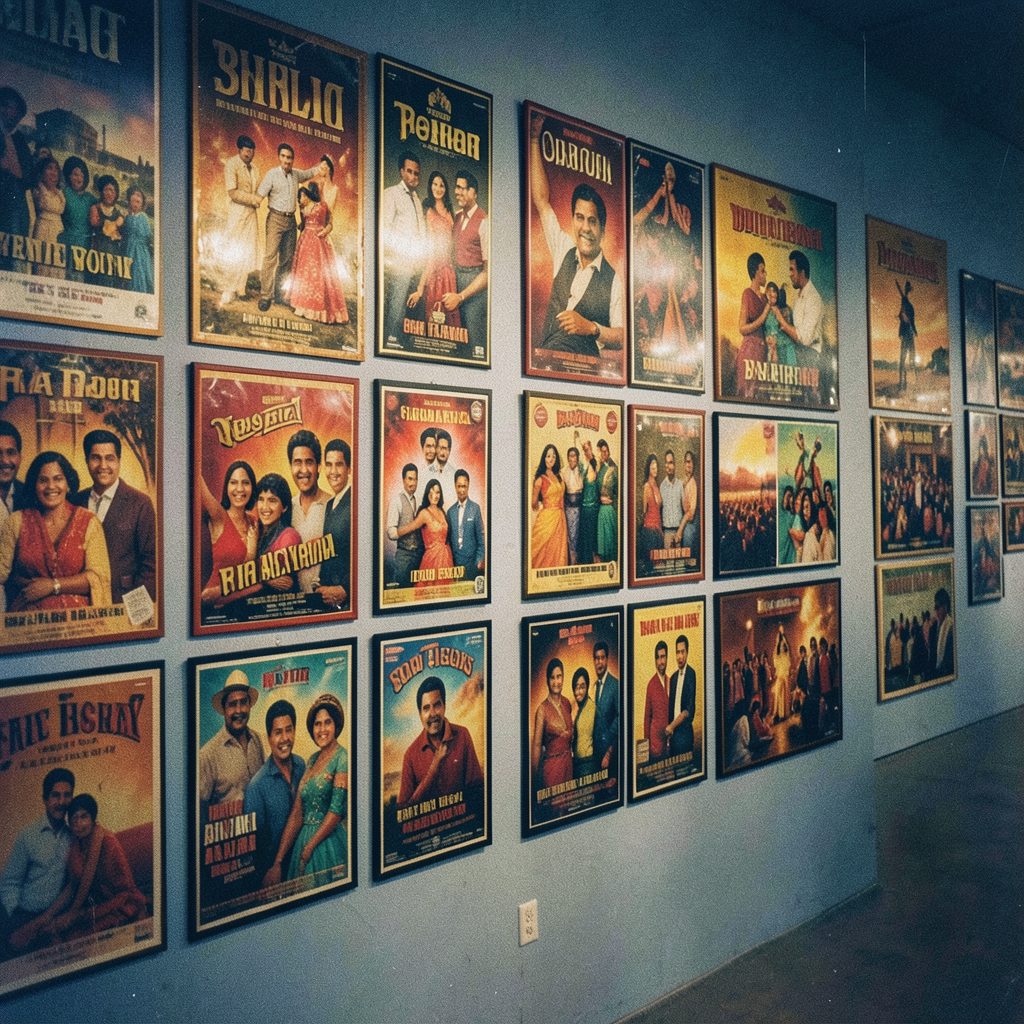
How brand integrations shape modern Bollywood storylines
The lights dim inside a Mumbai multiplex, the opening credits roll, and almost before the hero speaks, a soft drink logo gleams on a kitchen counter, a phone brand flashes across a mountain chase, and a car insignia glints during a rain-soaked song sequence. None of those appearances are accidental. Across the Hindi film industry, paid brand integration has matured into a tightly choreographed commercial layer, woven directly into the narrative fabric.
The placement market in Indian cinema now pulls in revenue that rivals many mid-tier studio budgets, and yet most viewers, even devoted fans, seldom register how deliberately the products are positioned. From the economics behind the deals to the storytelling choices they dictate, the business of Bollywood's product placements inside film narratives has reshaped everything from dialogue writing to release strategy in ways that are worth decoding.
The scale of paid placements inside Indian cinema
Placements in Bollywood are no longer a favour swapped between a producer friend and a beverage company. The practice has matured into a multi-layered industry, with brand teams commissioning in-film spots the way outdoor agencies book billboards on Linking Road. Industry trackers have placed annual in-film advertising revenue in India comfortably in the high single-digit billions of rupees, and the curve keeps bending upward.
A handful of factors explain why. Production budgets have ballooned, star fees have stayed stubbornly high, and ancillary revenue streams like music rights have weakened under streaming pressures. Placements help close the gap. They also let brands reach an audience that increasingly skips television advertising entirely, choosing instead to consume content on phones and smart TVs.
The categories that dominate tell their own story. Telecom, fintech, two-wheeler makers, jewellery houses, soft drinks, and now direct-to-consumer cosmetics routinely bankroll pivotal scenes. A break-up set in a coffee shop is rarely just a coffee shop; the chain has usually paid for the cup, the apron, and the wall signage behind the heroine's head.
How studios and brand teams negotiate scene-level deals
The deal-making process happens months before cameras roll, sometimes before a script is locked. Placement agencies clustered in Mumbai's Andheri offices walk producers through a catalogue of brands looking for in-film opportunities. They draft integration briefs describing the kind of scene a brand wants, the on-screen duration, and the emotional context that will surround the product.
Once a brand agrees on a budget, the negotiation shifts to the production side. Producers discuss prop placement with art directors, plan wardrobe cues with stylists, and brief the cinematographer to ensure logo angles catch the light at the right moments. Dialogue insertions, paid separately, push the placement's value higher, because hearing a brand name spoken by a star carries weight that a silent prop rarely matches.
Exclusivity windows are another layer of friction. A soft drink company pays more if the rival brand's logo is kept out of frame for the duration of the film's box-office run. That restriction extends to songs, where shot compositions must be carefully designed. The result is a kind of invisible choreography, negotiated between creative and commercial teams who often mistrust each other but depend on the same outcome: a release that returns its costs.
Visible placements, subtle drops, and plot-driven cameos
Not every brand integration looks the same. The spectrum runs from obvious to almost invisible, and each style comes with its own cost, reach, and reception. Some advertisers chase the unmistakable; others pay a premium for subtlety, trusting that audiences remember what they almost noticed.
| Placement style | How it appears in the film | Typical cost tier | Audience reception |
|---|---|---|---|
| Hero prop | Held or used by the lead actor in a prominent scene | Highest | Often remembered, sometimes resented |
| Background dressing | Logo visible on a wall, sign, or vehicle | Low to mid | Generally accepted, low recall |
| Verbal mention | Character names the brand in dialogue | Mid to high | Strong recall, can feel forced |
| Plot-integrated | Product is essential to the story beat | Negotiable, often barter | Best reception, hardest to execute |
| Song cameo | Quick close-ups during a dance number | Variable | High repeat-viewing recall |
Plot-integrated placements, where the product actually drives a scene, tend to draw the least audience pushback because the storytelling justifies the exposure. Hero prop placements, while lucrative, walk a fine line; one heavy-handed moment can spark meme cycles and derail the brand's own social media strategy.
What Australian audiences should notice on the big screen
For viewers watching from Sydney, Melbourne, or Brisbane, the in-film branding can feel even more conspicuous than it does back home, partly because the products are unfamiliar and the exposure is sustained. Indian diaspora communities in suburbs like Harris Park, Parramatta, and Clayton have built their weekend entertainment routines around the latest Hindi releases, and these audiences have become fluent readers of the placement cues that local viewers might miss.
The scale of consumption is significant. Indian films routinely tour Australian capital cities, with musical launches staged at venues like the Sydney Olympic Park arena and Melbourne's Margaret Court Arena. Fans who fill those stands are the same fans who clock every brand reference, share placement screenshots on WhatsApp groups, and push certain products into trending conversation.
A useful starting point for curious viewers is the official trailers section of Wassup Bollywood, where pre-release marketing sometimes previews exactly which brands are buying screen time. That context makes the eventual on-screen placements easier to spot, evaluate, and discuss once the film releases locally or through streaming services carried by Australian ISPs.
There is also a comparative lens worth holding. Australian cinema runs on a far smaller commercial footprint, with local films rarely crossing the A$20 million mark for comedies and dramas. Bollywood's per-film placement revenue, by contrast, often outstrips entire Australian production budgets, which is partly why Indian viewing in Australia happens through community screenings, festival circuits, and OTT platforms rather than mainstream multiplex releases.
The regulatory grey zone around in-film marketing
India has no equivalent of the strict placement disclosure rules that govern British or American broadcasts. The Advertising Standards Council of India issues voluntary guidelines, and broadcasters impose some of their own standards, but theatrical cinema sits in a softer space. Films do not carry "this product was paid for" labels, and audiences are assumed to understand that entertainment contains commercial elements.
That informality has consequences. Brands occasionally find their reputations dragged by association with controversial plots, and actors have pushed back against unwanted integrations, particularly when the product clashes with the character's arc. The ethical arguments extend to family audiences watching with children and to viewers who feel that a song sequence doubling as a brand catalogue breaks the imaginative contract of cinema.
Streaming platforms are tightening expectations of their own accord. Major OTT services now require placement disclosures in contractual addenda, and web series producers are experimenting with cleaner integration models that brand teams can opt into without compromising the show. Theatrical releases lag behind, partly because the law remains permissive and partly because stricter rules would erode a revenue stream studios rely on.
What the next decade of in-film sponsorship looks like
The placement economy is tilting toward streaming-first releases, where first-day viewership is measurable down to the second. Direct-to-consumer brands, particularly skincare, fintech, and snack companies, are driving that shift, and they are using screen integration the way digital advertisers used banner ads fifteen years ago. Regional language cinema in Tamil, Telugu, Kannada, and Malayalam is catching up quickly, with its own placement agencies and creative conventions.
New metrics will reshape the negotiations. Recall studies, second-screen engagement, and post-release purchase intent tracking will replace the older reach-and-frequency measures that theatrical campaigns relied on. Brands will pay more for placements tied to measurable behaviour, and producers will structure deals that reward performance rather than mere appearance.
Marketer's playbook for Hindi film integrations
- Brief placements as creative briefs rather than media buys, treating the film team as a writing partner
- Build exclusivity windows into every contract, including songs and dialogue mentions
- Choose story alignment over star proximity, since audiences forgive scripts more easily than logos
- Track second-screen response during the opening weekend to refine future buys
- Reserve a contingency budget for meme backlash or controversy pivots
- Negotiate residual clauses for OTT streaming windows, where the film earns for years
The throughline across every story, song, and chase sequence on screen is that modern Bollywood now operates as a dual-narrative medium: the human drama the audience watches, and the commercial narrative running beneath it. Recognising that second layer transforms how anyone, whether in Mumbai, Melbourne, or anywhere else, watches a Hindi film, and the smartest viewers treat every product on screen as an intentional editorial choice rather than background detail.