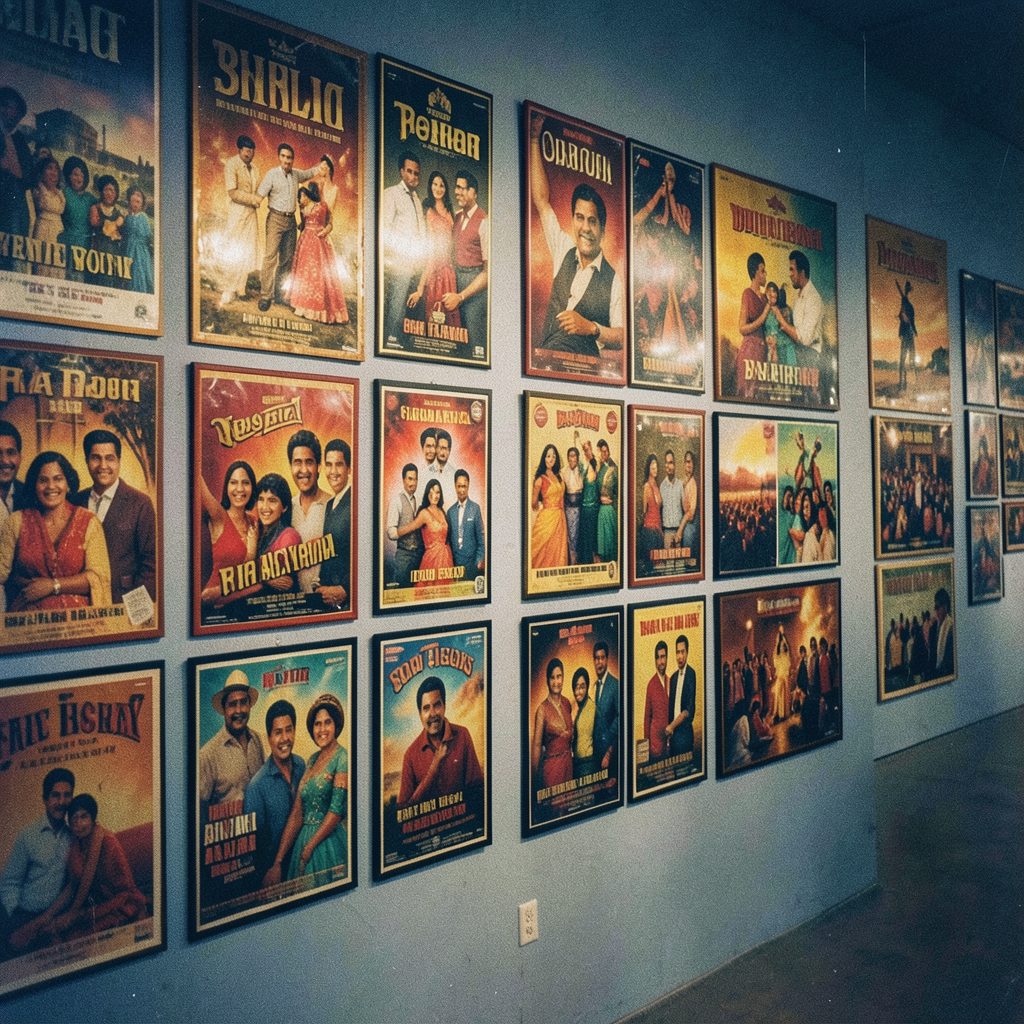

How Brands Choose Films for Bollywood Product Placements
Bollywood has always been closely connected with fashion, music, travel, food and consumer culture. A memorable film can influence what audiences wear, drive, eat and buy, making Hindi cinema an attractive platform for brands seeking attention beyond conventional advertising.
Product placement has evolved from a bottle appearing casually in the background to carefully negotiated partnerships built into a film’s story, promotional campaign and celebrity ecosystem. Cars, smartphones, clothing labels, beverages, financial services and beauty products now compete for meaningful screen time.
For filmmakers, these partnerships can support production budgets and expand marketing reach. For companies, they offer access to star power, emotional storytelling and millions of viewers. The most effective deals feel natural, while poorly integrated products can distract audiences and invite criticism.
Why Film Visibility Has Commercial Value
A cinema release creates several layers of exposure. The product may appear during the film, in theatrical trailers, on posters, in songs, at promotional events and across social media clips. This extended life makes branded entertainment different from a short television commercial that disappears after its scheduled airtime.
Bollywood also provides a strong emotional environment for brand communication. A viewer may associate a particular watch with a hero’s confidence, a motorcycle with a character’s independence or a holiday destination with a romantic storyline. The product gains a personality through the film rather than being presented as a separate sales message.
Star influence is another major factor. A brand placed with a leading actor can benefit from the performer’s public image, fan base and endorsement history. Yet celebrity presence alone does not guarantee success. The association must fit the character, genre and mood of the story to appear credible.
How Brands Assess a Film Before Investing
Companies begin by examining the script, cast, director, production house and expected release scale. A family comedy may appeal to a packaged-food brand, while an action thriller could suit an automobile, telecom or sportswear company. The audience profile matters as much as the size of the projected box office.
Brands also study the film’s setting and visual identity. A luxury label may prefer an urban romance with stylish locations, whereas a mass-market product may gain more value from a story rooted in everyday Indian life. Language reach, overseas distribution and the potential for dubbed or streaming versions can influence the final decision.
Timing is equally important. A film scheduled around a festival, holiday season or major sporting event may offer stronger promotional opportunities. Companies often want their placement to support a product launch, seasonal campaign or new market entry, so release calendars become part of the negotiation.
What Producers Offer Beyond Screen Time
A placement agreement can include much more than showing a product in a scene. Producers may offer logo visibility on promotional material, access to actors for advertisements, branded social media content, event appearances and co-branded contests. These additions make the arrangement a wider entertainment marketing partnership.
Some deals are financial, while others involve services or equipment. A car company might provide vehicles for filming, a fashion label may supply costumes, and a travel company could support an overseas schedule. These arrangements reduce production costs while giving the brand a controlled presence within the film’s visual world.
The level of creative control varies. Certain brands demand approval over how their product is shown, while filmmakers protect the tone and authenticity of the scene. Successful partnerships establish clear boundaries early, ensuring that commercial requirements do not weaken character development or narrative momentum.
Comparing Common Placement Models
The value of a placement depends on visibility, relevance and the amount of promotional support attached to the agreement. A quick appearance may be inexpensive, but a story-led integration can create stronger recall when handled carefully.
| Placement Model | Typical Use | Value For The Brand | Main Risk |
|---|---|---|---|
| Background appearance | Product visible in a location or crowd scene | Low-cost awareness | Audiences may not notice it |
| Character usage | Actor handles, wears or consumes the product | Stronger recall and association | May feel forced if unsuitable |
| Story integration | Product supports a major scene or plot point | High emotional engagement | Can interrupt the narrative |
| Co-branded promotion | Film and brand share campaigns, contests or events | Wider reach before and after release | Requires extensive coordination |
| Celebrity-led extension | Actor appears in separate brand content linked to the film | Powerful social and media visibility | Higher cost and endorsement risk |
A brand may choose several models at once. For example, a smartphone can appear in the film, feature in the trailer, receive a celebrity campaign and become part of a social media challenge. This integrated approach turns product placement into a full-funnel marketing strategy rather than a single visual cameo.
The Economics Behind Bollywood Brand Deals
The commercial value of a placement is shaped by the film’s budget, star cast, distribution plan and expected audience. A major release with a popular actor generally commands higher fees, especially when the product receives dialogue, close-ups or repeated use. However, an emerging film can also attract brands if it offers a distinctive concept or a sharply defined audience.
Negotiations may involve a fixed payment, in-kind support, media exchanges or performance-linked bonuses. A brand could fund part of a song campaign in return for visibility, while a producer might receive advertising inventory instead of a direct fee. The contract usually specifies the number of appearances, screen duration, camera treatment and promotional obligations.
Digital streaming has changed the calculation. A product remains visible long after its theatrical run, reaching viewers across different regions and countries. At the same time, streaming platforms can make visual details easier to pause, share and discuss, increasing both the value and scrutiny of branded appearances.
Making Products Feel Natural On Screen
The best integrations emerge from the story. A character’s profession, lifestyle or location can create a believable reason for a product to appear. A delivery worker may use a navigation app, a family may choose a familiar beverage at dinner, or a fashion-conscious protagonist may wear a label that reflects the character’s identity.
Dialogue requires particular care. When characters praise a product with language that sounds like advertising copy, audiences quickly recognize the commercial intention. Subtle references, practical use and visual consistency tend to work better than exaggerated claims or repeated brand mentions.
Music videos and promotional songs offer a different opportunity. Their strong visual style can showcase clothing, jewellery, footwear, cars and consumer electronics without interrupting a complex plot. Still, the brand should contribute to the song’s mood and choreography instead of becoming an unrelated visual insert.
Where Placements Can Go Wrong
Poor product integration can damage both the film’s credibility and the brand’s reputation. If a rural character suddenly delivers an unnatural sales pitch or an expensive product dominates an emotionally serious scene, viewers may reject the placement. Online audiences are quick to identify awkward advertising and turn it into a meme.
Brand safety is another concern. A company must consider how its product is used, who uses it and what message the scene communicates. Violence, controversy, political themes or irresponsible behaviour may create unwanted associations, particularly when the product serves a family or youth audience.
Films also face uncertainty. A highly promoted release can underperform, receive negative reviews or face delays. Brands therefore examine the full campaign package and sometimes negotiate alternatives, including additional digital content or revised media support, to reduce dependence on box office results.
Choosing The Right Placement Strategy
- Match the product with the film’s genre, audience and character world.
- Prioritize believable usage over excessive close-ups or promotional dialogue.
- Negotiate visibility across trailers, social media, events and streaming assets.
- Define approval rights without restricting the director’s creative judgment.
- Measure recall, engagement, sentiment and sales rather than impressions alone.
A clear strategy helps both sides avoid short-term decisions. Brands should assess whether the film’s values align with their long-term identity, while producers should select partnerships that strengthen the world they are building. The strongest deals feel like part of the entertainment experience rather than an interruption.
Bollywood product placements will continue to grow as production costs rise and audiences divide their attention across theatres, streaming platforms and social networks. When brands choose films intelligently and filmmakers protect storytelling quality, a commercial partnership can become part of popular culture. Follow Wassupbollywood for more film-business analysis, release updates, box office coverage and the industry trends shaping Hindi cinema.