The Art of the Bollywood Teaser Trailer
A Bollywood teaser trailer has a difficult job: create curiosity, communicate a film’s identity and leave audiences wanting more, often in less than two minutes. Unlike a full trailer, it does not need to explain every plot point. Its real purpose is to open a door into the movie’s world and make viewers eager to step through it.
The strongest teasers understand that hype is built through controlled information. A striking image, a memorable line, a burst of music or a glimpse of a star can become more valuable than a complete storyline. Every frame must feel deliberate, because viewers are quick to replay, pause, share and discuss even the smallest detail.
For Hindi cinema, the teaser also carries the responsibility of presenting scale and emotion. Whether the project is a romantic drama, action spectacle, historical epic or comedy, its preview needs to suggest what makes the film different. That balance between mystery and clarity is where the craft begins.
Start With A Distinctive Film Identity
Before editing begins, a teaser needs one clear creative promise. Is the movie selling a larger-than-life hero, a forbidden romance, a dangerous mission or an unusual social conflict? When the central idea is recognizable within seconds, the audience can immediately understand the mood without receiving a complete explanation.
This identity should influence every creative choice, including the color palette, camera movement, sound design and dialogue. A gritty crime thriller may use shadows, fragmented cuts and a threatening voice-over, while a glossy romantic film could rely on warm visuals, melodic music and lingering glances. A confused tone makes even expensive footage feel generic.
Star power can reinforce that promise, but it should not replace it. A superstar’s entrance may generate instant attention, yet the teaser becomes more effective when the character has a visual signature or emotional tension. The audience should remember what the star is playing, not simply that the star appears.
Treat The Opening Seconds As A Promise
The first five to ten seconds establish whether a viewer will continue watching. A powerful opening might show an arresting location, an unexplained action, a sudden reaction or a line that sounds impossible to ignore. It does not need to reveal the biggest moment; it needs to create a question in the viewer’s mind.
Silence can be as effective as spectacle. A pause before a character speaks, the sound of a match striking or the distant beat of a song can create anticipation. When every teaser begins with loud music and rapid cutting, restraint becomes a useful way to stand apart in crowded entertainment feeds.
The opening image should also be easy to remember and share. A distinctive poster-like frame can become a social media still, while a sharp line can turn into a fan-made caption or trending audio clip. Visual branding and dialogue branding work together to extend the teaser beyond its original runtime.
Reveal Emotion Without Explaining Everything
A teaser should give audiences an emotional route into the film while protecting its major discoveries. Viewers may not know the full plot, but they should sense fear, desire, revenge, ambition, grief or triumph. Emotional clarity encourages investment even when narrative information remains limited.
This is where performance details matter. A trembling hand, a restrained smile or a character refusing to answer can communicate more than several lines of exposition. For Bollywood releases, a recognizable star placed in an unfamiliar emotional situation can be especially compelling because it creates a contrast between public image and fictional identity.
Music gives that emotion a rhythm. A teaser may begin with a minimal score, build through percussion and then stop at the moment of a reveal. A popular singer, a fresh orchestral arrangement or a dramatic remix can attract attention, but the sound must serve the film’s tone rather than overwhelm the footage.
| Teaser Element | Its Main Job | Common Mistake | Stronger Approach |
|---|---|---|---|
| Opening image | Establish immediate curiosity | Starting with generic establishing shots | Use a memorable visual or unexplained action |
| Dialogue | Create a quotable hook | Explaining the entire conflict | Select one line with emotional or dramatic tension |
| Music | Shape mood and momentum | Using volume to imitate excitement | Build rhythm and silence with intention |
| Star reveal | Deliver recognition and impact | Showing the lead without context | Connect the entrance to character or conflict |
| Final frame | Leave a lasting impression | Ending on a routine title card | Pair the title with a reveal, gesture or sound cue |
| Runtime | Maintain attention | Filling every second with footage | Remove repetition and protect unanswered questions |
Build A Rhythm Of Glimpses
Editing a teaser is an exercise in compression. The cut should move quickly enough to maintain energy, yet slowly enough for the audience to register important faces, places and symbols. A series of unrelated shots may look exciting in isolation but can feel empty when assembled without progression.
A useful rhythm often moves from atmosphere to character, then from conflict to spectacle. The teaser might begin with a quiet setting, introduce a personal threat, hint at a relationship and finish with a larger visual event. This creates a miniature emotional arc without giving away the film’s full structure.
Transitions can carry meaning too. Cutting from a spinning fan to a helicopter rotor, or from a character’s closed eye to a burning landscape, creates associations that audiences enjoy decoding. These visual connections reward repeat viewing and encourage frame-by-frame analysis across fan communities.
Make The Final Reveal Earn Its Impact
The last ten or fifteen seconds usually contain the teaser’s strongest hook. This could be the hero’s transformation, the villain’s first appearance, an unexpected line or a scale-driven action image. The reveal should feel like a payoff to the mood established earlier, rather than a random clip selected simply because it looks expensive.
A good ending raises the stakes without answering every question. If the film concerns a hidden identity, the teaser might show evidence of that identity without confirming it. If the story involves a rivalry, a brief confrontation can suggest the danger while keeping the outcome secret.
The title card, release date and production credits also belong to this final sequence. Their design should match the film’s world, and the release information should be clear enough to remember. A bold title treatment can become part of the movie’s promotional identity across posters, social posts, music videos and theatre advertising.
Connect The Teaser To A Wider Campaign
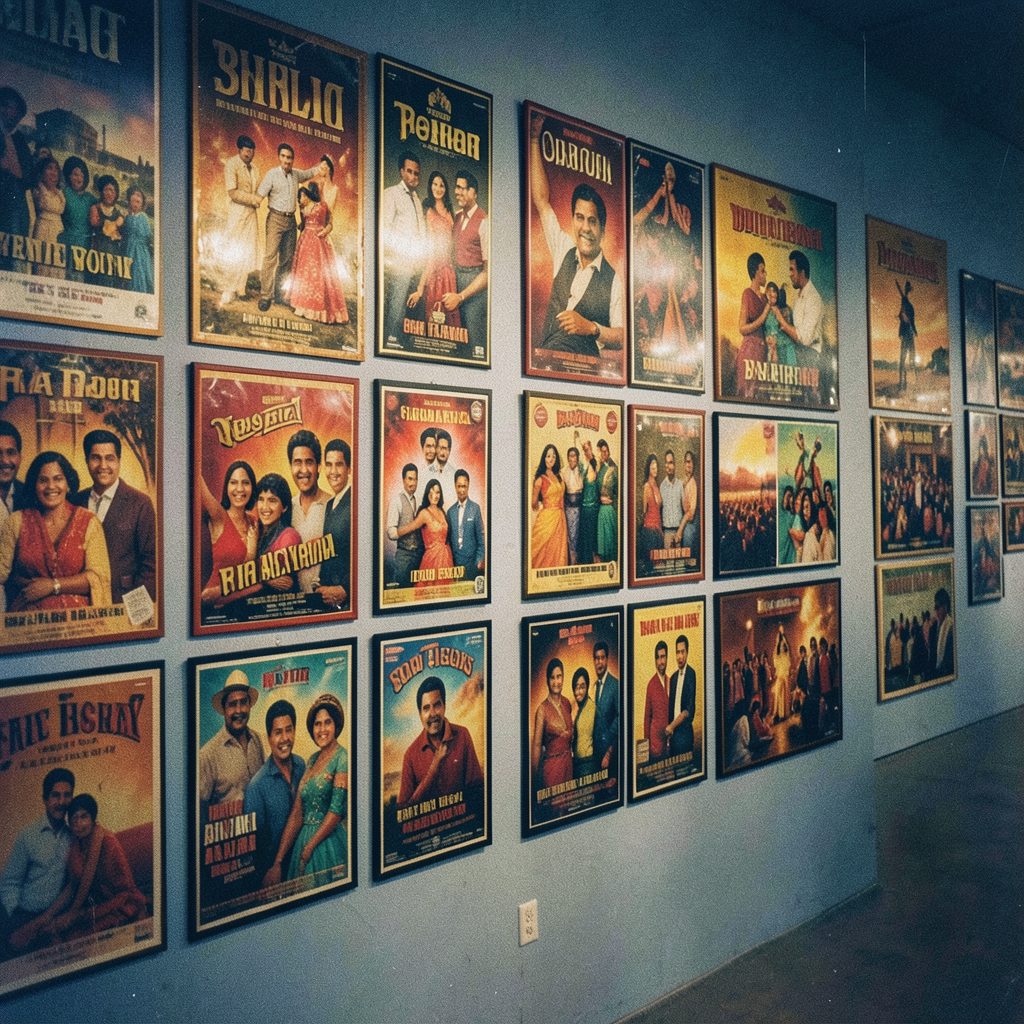
A teaser rarely works in isolation. Its images should connect with the first-look poster, motion poster, soundtrack announcements and later trailer. Consistent fonts, colors, phrases and character styling help audiences recognize the film across different platforms.
The campaign can also use lifestyle and celebrity interest to broaden reach. For example, a star’s public image may support the film’s promotional narrative, especially when fashion, fitness or transformation forms part of the character’s appeal. Coverage of Malaika Arora’s fitness routine shows how personal branding can keep a celebrity in cultural conversation between film announcements.
Timing matters as much as design. A teaser released too early may lose momentum before the film arrives, while one launched too close to the premiere may leave little time for discussion to grow. The ideal schedule gives fans room to analyze clues, share reactions and build anticipation for the next promotional beat.
Practical Choices That Strengthen A Teaser
Creators, studios and marketing teams can use a simple checklist when shaping a short preview:
- Define one emotional promise before selecting footage.
- Reserve the most memorable image or line for a purposeful moment.
- Remove repeated shots, unnecessary exposition and weak reaction clips.
- Test the teaser with sound off and captions on for mobile viewing.
- Ensure the final title, release date and branding remain readable.
- Prepare stills, short clips and behind-the-scenes material for follow-up promotion.
The best teasers also respect the audience’s intelligence. They offer enough information to inspire theories but avoid disguising confusion as mystery. Viewers should leave with a stronger sense of the film’s personality, even if the plot remains partly concealed.
Why Brevity Creates Bigger Conversations
A short runtime increases the value of every creative decision. When a teaser works, viewers replay it to inspect a costume, identify a location, interpret a lyric or understand a fleeting expression. That repeat viewing creates a form of participation that a longer, fully explanatory trailer may not encourage.
This is why hype is more durable when it is built around questions rather than empty noise. Audiences want to speculate about character motives, hidden connections and possible twists. They also want to compare the teaser with earlier posters, songs and announcements. A carefully designed preview gives them material for that conversation.
The art of the Bollywood teaser trailer is ultimately the art of suggestion. It combines performance, editing, music, star appeal and visual storytelling into a compact invitation. When every second carries purpose, two minutes can establish a film’s identity, launch a campaign and turn curiosity into genuine anticipation.
Follow Wassupbollywood for Bollywood teaser breakdowns, trailer reactions, release updates, box office coverage and the visual details that shape the next big Hindi cinema conversation.