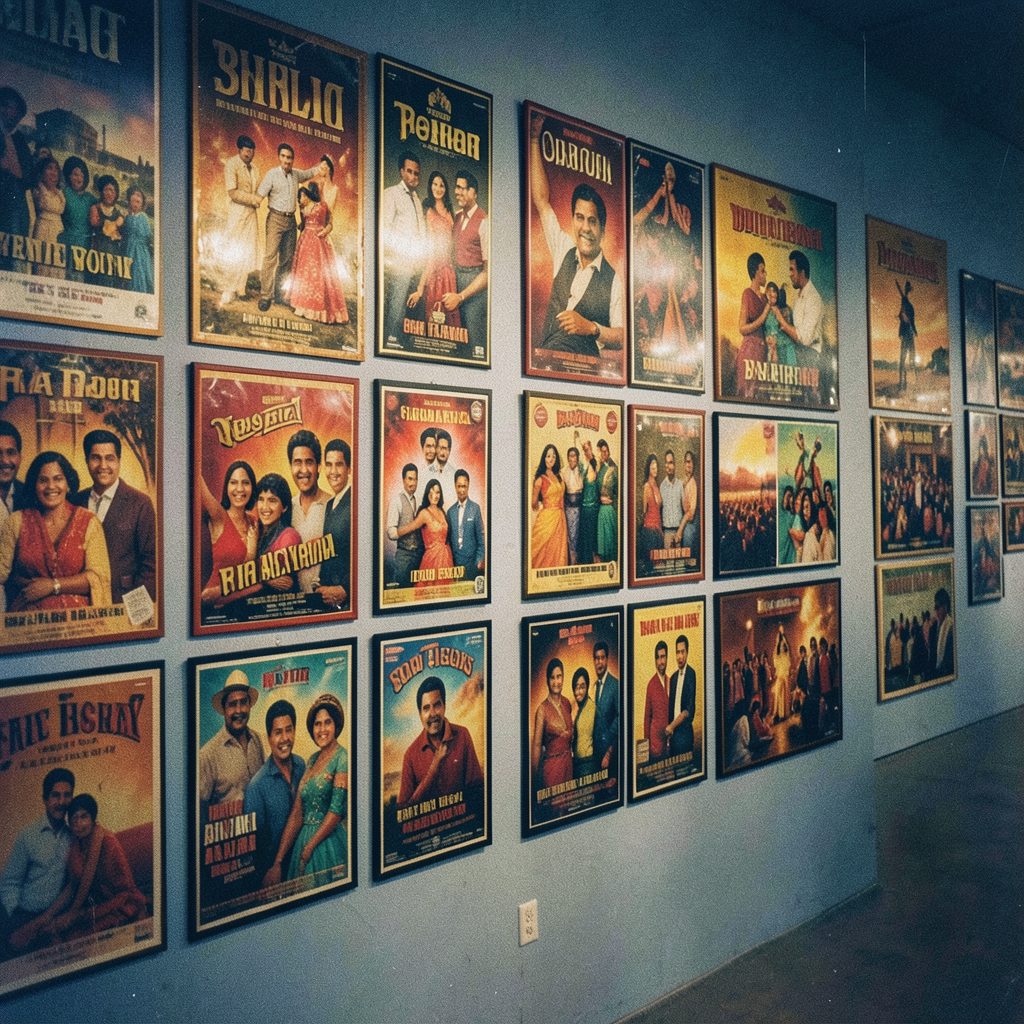

How Salman Khan's Production House Changed Newcomer Opportunities
For decades, entering Hindi cinema depended on family connections, influential producers, expensive publicity, and the willingness of established stars to share screen space with unknown performers. A debut could attract attention, yet sustaining that attention required a powerful industry network. Salman Khan’s production banner introduced a different route into the mainstream.
Salman Khan Films, commonly known as SKF, connected newcomer launches with the visibility of one of Bollywood’s most recognizable celebrities. The model combined commercial filmmaking, music promotion, television appearances, social media reach, and Salman’s personal endorsement. That combination did not remove every obstacle for aspiring actors, but it changed how a debut could be packaged and presented.
The impact is easiest to understand through the careers associated with films such as Hero, Loveyatri, and Notebook. Some launches produced stronger results than others, while several performers had to build their identities beyond the banner. Still, the production house helped make newcomer casting a more visible part of the Hindi film conversation.
From Private Networks To Public Launches
Before celebrity-backed production companies became a major promotional force, new actors often entered films through quiet industry channels. A performer might spend years attending auditions, assisting filmmakers, modeling, or waiting for a producer to take a financial risk. Even after securing a role, the debut could disappear if the film lacked publicity.
SKF brought the launch process into the public eye. The association with Salman Khan created immediate media coverage, especially when a newcomer appeared in a trailer, music video, television appearance, or promotional event alongside him. The debut itself became an entertainment story, giving performers recognition before audiences had seen the complete film.
This strategy reflected a broader shift in Bollywood marketing. Audiences increasingly followed celebrity families, production announcements, first looks, and behind-the-scenes updates online. A newcomer was no longer introduced only through the film’s narrative; the person could become part of a carefully managed campaign months before release.
Building A Familiar Commercial Package
The production house generally placed newcomers inside accessible commercial genres. Hero used romance and action to introduce Sooraj Pancholi and Athiya Shetty. Loveyatri presented Aayush Sharma in a festive romantic musical, while Notebook gave Zaheer Iqbal and Pranutan Bahl a youthful love story with a socially relevant emotional core.
This packaging served two purposes. It gave the new actor a recognizable environment, and it helped audiences understand the intended appeal of the film. Songs, scenic locations, romance, family emotion, and polished visual branding created several entry points for viewers who might not yet know the performers.
The approach also connected newcomers to established creative and commercial resources. Choreographers, music composers, costume designers, publicists, and distribution partners could make a debut appear larger than the actor’s previous experience. That scale matters in a crowded release calendar, where even a promising performance can be overlooked without sustained visibility.
The Power Of Star Endorsement
Salman Khan’s involvement carried promotional value beyond a conventional producer credit. His public support could draw television coverage, fan interest, and social media discussion. For a debutant, appearing in the same promotional frame as Salman offered an instant association with mainstream Hindi cinema.
That endorsement also influenced perception. Audiences and trade observers often treated an SKF launch as evidence that the performer had received a significant vote of confidence. The newcomer benefited from the curiosity surrounding Salman’s choice, even when the film itself received mixed reviews or faced commercial pressure.
The effect extended into music and lifestyle coverage. A debut song could become a talking point through dance performances, fashion features, and fan edits. Readers tracking monsoon viewing guide content, for example, are part of the same wider audience that discovers Hindi films through seasonal recommendations, songs, trailers, and celebrity updates rather than through theatrical advertising alone.
Comparing The Launch Models
The SKF approach did not replace the traditional route into Bollywood, but it added a high-visibility alternative. Its clearest difference was the way a newcomer’s first appearance could be attached to a trusted star brand and a coordinated campaign.
| Factor | Traditional Newcomer Launch | Celebrity-Backed Production Launch |
|---|---|---|
| Initial visibility | Depended heavily on the film’s publicity budget | Gains attention from the producer’s celebrity association |
| Audience awareness | Often begins with the trailer or first song | Can begin with announcements, interviews, and social media |
| Commercial positioning | May vary according to the filmmaker’s vision | Usually shaped around familiar mainstream genres |
| Media narrative | Focuses on the film and the actor’s background | Includes the star mentor, banner, and launch story |
| Career pressure | Performance determines early recognition | Expectations rise because of the high-profile association |
| Long-term advantage | Depends on later roles and networking | Requires the newcomer to prove independence after debut |
The table also highlights a central tension. Greater exposure can create stronger opportunities, yet it can raise expectations before an actor has developed a body of work. A large launch is valuable, but it does not guarantee audience loyalty or a second successful film.
Opportunities Beyond The First Film
A production banner can open doors, but a sustainable career depends on what follows. Newcomers associated with SKF still need to demonstrate acting range, choose suitable scripts, and work with different directors. The industry may remember the launch, yet casting decisions increasingly depend on performance, audience response, and the ability to fit changing genres.
This is where the production house’s influence becomes more complex. A debut under a major star can provide access to interviews, brand campaigns, magazine features, and industry attention. However, the performer must eventually move beyond the “Salman Khan discovery” label. Without that transition, the launch can become the most memorable part of the career.
The banner’s role also reflects the changing definition of a Bollywood newcomer. Today, a new actor may build recognition through streaming releases, music videos, short-form content, modeling, or regional cinema before entering a theatrical film. A celebrity production house can amplify that existing visibility, but it competes with many other routes available to emerging talent.
Where The Model Has Limits
The biggest limitation is that star power cannot control every factor affecting a film. Release dates, competition, reviews, audience tastes, marketing noise, and the quality of the screenplay all influence a newcomer’s reception. A debut may receive extensive publicity and still struggle if viewers do not connect with the story or performance.
There is also a risk of creating expectations that the film cannot fulfill. When a launch is repeatedly described as a major opportunity, audiences may judge the actor more harshly. The performer is expected to carry romance, action, dance, emotional scenes, and promotional responsibilities immediately, even though every actor needs time to mature.
The model can also make the industry appear more accessible than it really is. A famous producer can create a valuable opening, but most aspiring actors do not have access to comparable mentorship or publicity. SKF changed the visibility of newcomer launches; it did not eliminate nepotism, financial barriers, audition competition, or unequal access to decision-makers.
What Newcomers Should Evaluate
The lasting lesson from SKF is that a powerful launch is an opportunity, not a finished career plan. Aspiring performers and audiences can assess a debut through several practical factors:
- Whether the role offers genuine dramatic material instead of relying only on promotional glamour
- Whether the film provides a clear identity beyond the producer’s celebrity image
- Whether the newcomer has access to experienced directors, acting coaches, and strong co-stars
- Whether the performer is building a varied portfolio after the debut
- Whether publicity is supported by a convincing performance and a well-written character
This approach places the focus on career development rather than launch-day headlines. It also recognizes that success can take different forms. A newcomer may become a theatrical lead, a streaming favorite, a supporting actor, or a performer known for a particular genre. The production house can help begin that journey, but the actor’s choices determine its direction.
Salman Khan’s production banner changed Bollywood’s newcomer landscape by turning debuts into high-profile cultural events. It combined celebrity endorsement with commercial storytelling and modern publicity, giving aspiring actors a level of attention that was once difficult to secure without family backing. Its influence is visible in the way audiences now follow launch announcements, first looks, songs, and mentorship narratives.
For the performers involved, the challenge remains proving that visibility can become credibility. For the industry, the broader question is whether more production houses will create transparent, sustained pathways for fresh talent rather than one-time promotional moments. Follow Wassupbollywood for Bollywood news, newcomer updates, film reviews, box office analysis, trailers, and the next generation of Hindi cinema stories.