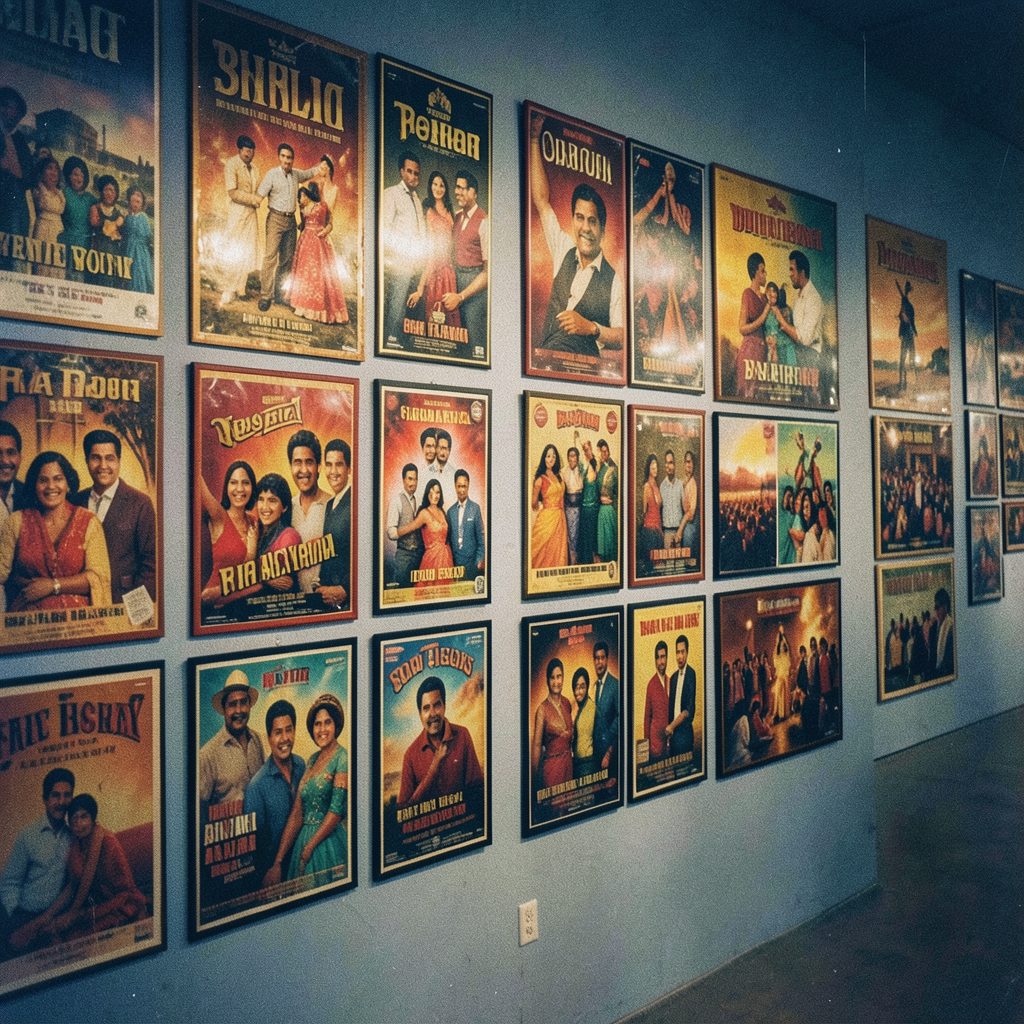

How Young Bollywood Directors Are Crowdfunding Their Debut Films
For many aspiring Hindi filmmakers, the first obstacle is no longer a lack of ideas. It is finding enough money to turn a script into a finished feature without surrendering creative control to a large studio. Crowdfunding has emerged as a practical bridge between a promising concept and a debut film that might otherwise remain on a laptop.
This shift is especially significant for young directors working outside established Mumbai networks. A strong teaser, a persuasive pitch deck and an active online community can now attract small contributions from thousands of supporters. The result is a different kind of film financing, built around audience trust before a theatrical release or streaming deal exists.
Indian crowdfunding campaigns also reach viewers overseas. For audiences in Sydney, Melbourne, Brisbane and Perth, supporting a Hindi film can be a way to connect with independent cinema and the wider Indian diaspora. Contributions may be modest in Australian dollars, but a large international base can provide meaningful support when converted into rupees.
The model is not a shortcut to easy production. Directors must manage legal disclosures, payment fees, rewards, tax questions and public expectations. Still, for filmmakers making their first feature, crowdfunding offers something traditional financing often withholds: an early audience that has a personal stake in seeing the project completed.
Why Debut Filmmakers Are Turning To The Crowd
A first-time director rarely has the commercial record required by a major Bollywood studio. Even an impressive short film may not prove that the filmmaker can deliver a feature on schedule. Crowdfunding changes the conversation by allowing supporters to assess the story, visual identity and team directly.
The approach is particularly useful for contained dramas, documentaries, coming-of-age stories and genre films that fall between mainstream formulas. A project with a modest cast and a limited number of locations can raise enough to shoot professionally without carrying the financial burden of a star-led production.
Supporters also become early promoters. They may share a campaign trailer, recommend the project in WhatsApp groups or attend a local screening. For a young director, this community can be as valuable as the money itself because it creates visibility before a distributor becomes involved.
Building A Pitch That Travels Beyond Mumbai
A crowdfunding page needs more than a synopsis. Potential backers want to understand what makes the film distinctive, why the director is suited to tell the story and how the money will be spent. A clear budget divided into production, post-production, publicity and delivery costs can make a small campaign feel credible.
Visual proof is equally important. A short proof-of-concept scene, mood reel or carefully designed poster gives supporters a sense of tone and ambition. If the director has made a music video, short film or theatre production, those credits should be presented as evidence of reliability rather than buried in a long biography.
Campaigns also perform better when they offer regular updates. Rehearsal photographs, location research and editing-room notes help contributors feel involved without revealing every plot detail. For overseas supporters, online Q&A sessions scheduled for Indian evenings can still be accessible during afternoon or early evening in Australia.
The Indian Diaspora As A Funding Network
The overseas audience is not simply a source of donations. It can provide cultural knowledge, local contacts and screening opportunities. Indian communities in Melbourne and Sydney often support film festivals, university societies and independent cultural events, creating useful channels for a new director seeking attention.
An Australian supporter may contribute through a campaign platform, attend a festival screening or help organise a community preview. The Indian Film Festival of Melbourne has also helped establish an audience for Hindi and regional Indian cinema, although festival selection remains competitive and never replaces a proper distribution strategy.
Directors must be precise about currency and fulfilment. A reward priced at ₹2,000 may seem affordable in India but become less attractive after Australian payment fees, exchange-rate movement and international postage. Digital rewards, online premieres and signed electronic artwork can reduce these complications.
For filmmakers researching authenticity, the value of diaspora support can extend to production itself. Local communities may assist with costumes, language consultation or access to locations. This matters when a story is set outside India, or when the film needs to represent migration without relying on familiar stereotypes.
Matching The Funding Model To The Film
Different crowdfunding structures suit different creative and financial needs. Some directors seek donations from supporters who simply believe in the project. Others offer rewards such as credits, posters, private screenings or merchandise. Equity-style arrangements are more complex and may involve regulatory obligations, so first-time filmmakers need qualified legal advice before making promises about financial returns.
The most suitable option depends on the film’s budget, audience and level of completion. A campaign launched with only an idea faces a larger trust gap than one supported by a completed script, a committed lead actor and a sample scene. Reaching part of the budget privately before going public can also make the campaign appear more achievable.
| Funding approach | Best suited to | Main advantage | Main risk |
|---|---|---|---|
| Donation-based | Social dramas and personal stories | Simple emotional appeal | Uncertain income |
| Reward-based | Genre films and fan communities | Gives supporters a tangible connection | Fulfilment costs |
| Equity or investment | Larger commercial projects | Potential access to substantial capital | Legal and financial complexity |
| Membership or subscription | Directors with an existing audience | Recurring support | Requires regular content |
| Community screening pre-sales | Films with a clear regional audience | Tests demand early | Limited scale |
The campaign should also protect the film’s future. Offering every scene, song or behind-the-scenes clip online may satisfy early supporters but reduce the value of a later festival or streaming premiere. Young directors need to decide which material builds anticipation and which material should remain exclusive.
Controlling Costs Without Shrinking The Vision
Crowdfunding rarely produces a Bollywood-sized budget, so directors must design ambition around available resources. A contained location can replace a costly set, while a smaller ensemble may allow more rehearsal time and stronger performances. Careful scheduling can reduce transport, accommodation and equipment expenses.
This does not mean every low-budget film should look deliberately minimal. Production design, sound recording and colour grading often make a greater difference than expensive spectacle. A director can spend strategically on the elements the audience will notice most, such as a distinctive setting, a musical sequence or polished post-production.
Location choices can also strengthen the film’s identity. Recent discussion of real-location filmmaking shows why physical spaces may provide atmosphere that digital backgrounds cannot easily reproduce. For a debut, the practical choice is often a location that is visually memorable, affordable and accessible to the crew.
In Australia, a filmmaker might use a family home in western Sydney, a community hall in Melbourne or a regional Queensland landscape if the story requires it. Permissions, insurance and council requirements still apply, but a carefully negotiated location can deliver production value without the cost of a studio build.
The Rewards And Pressures Of Early Support
Reward tiers should be realistic rather than extravagant. A digital thank-you, name in the credits or private online screening is easier to deliver than hundreds of signed physical packages. If merchandise is promised, the director should calculate manufacturing, packaging and postage before setting the contribution level.
Supporters may also expect influence over casting, music or the ending. Community feedback can be useful, but the director must define the boundaries of participation at the beginning. Crowdfunding creates a relationship with the audience; it does not automatically give each contributor editorial control.
Rewards That Build Trust
- Digital access to a private premiere or director’s commentary
- A name in the end credits with clear spelling instructions
- Downloadable posters, stills or a short production diary
- Invitations to an online Q&A or selected local screenings
- Limited signed artwork for higher-value supporters
Communication becomes part of the filmmaking process. Delays should be explained before frustration spreads across social media. A transparent update about a postponed shoot is more credible than silence followed by an unexplained change in release timing.
Turning Backers Into A Sustainable Audience
A completed film still needs promotion, publicity and distribution. The campaign’s email list and social channels can become the foundation of a release plan, but supporters should not be treated as a guaranteed opening-weekend audience. Some may live far from cinemas, while others may prefer a streaming premiere.
The Australian market requires particular care. A Hindi film may find interest in Sydney’s western suburbs, Melbourne’s Indian cultural circuit and university communities, yet those audiences are geographically dispersed. Weekend screenings, subtitled versions and partnerships with local cultural organisations can make access easier than relying on a single city-centre release.
Practical Measures Before Launch
- Finish the script, budget and production schedule before announcing a target
- Record a strong proof-of-concept scene with clean sound
- Check platform fees, tax treatment and cross-border payment rules
- Set reward costs in both Indian rupees and Australian dollars
- Prepare a release plan covering festivals, cinemas and streaming
Young directors should also understand Australian classification requirements if they plan public screenings. A film made in India may need suitable classification arrangements before a commercial Australian event, and venues may have their own insurance and licensing conditions.
What Crowdfunding Could Mean For Bollywood
Crowdfunding is unlikely to replace studios, producers or distributors. Its larger influence is cultural: it gives emerging directors a way to prove demand before entering the conventional industry system. A successful campaign can demonstrate audience interest, attract experienced producers and create leverage during later negotiations.
The model may also encourage more personal stories and unusual formats. Directors who cannot secure funding for a conventional commercial pitch can find supporters who value a specific regional voice, social theme or visual experiment. That diversity is valuable in a Hindi film industry often shaped by recognisable stars and established genres.
For Australian viewers, the change creates more opportunities to discover Indian cinema before it becomes widely marketed. The next step is concrete: compare a campaign’s pitch, budget and fulfilment plan, then support one carefully chosen debut project at a level you can genuinely afford.