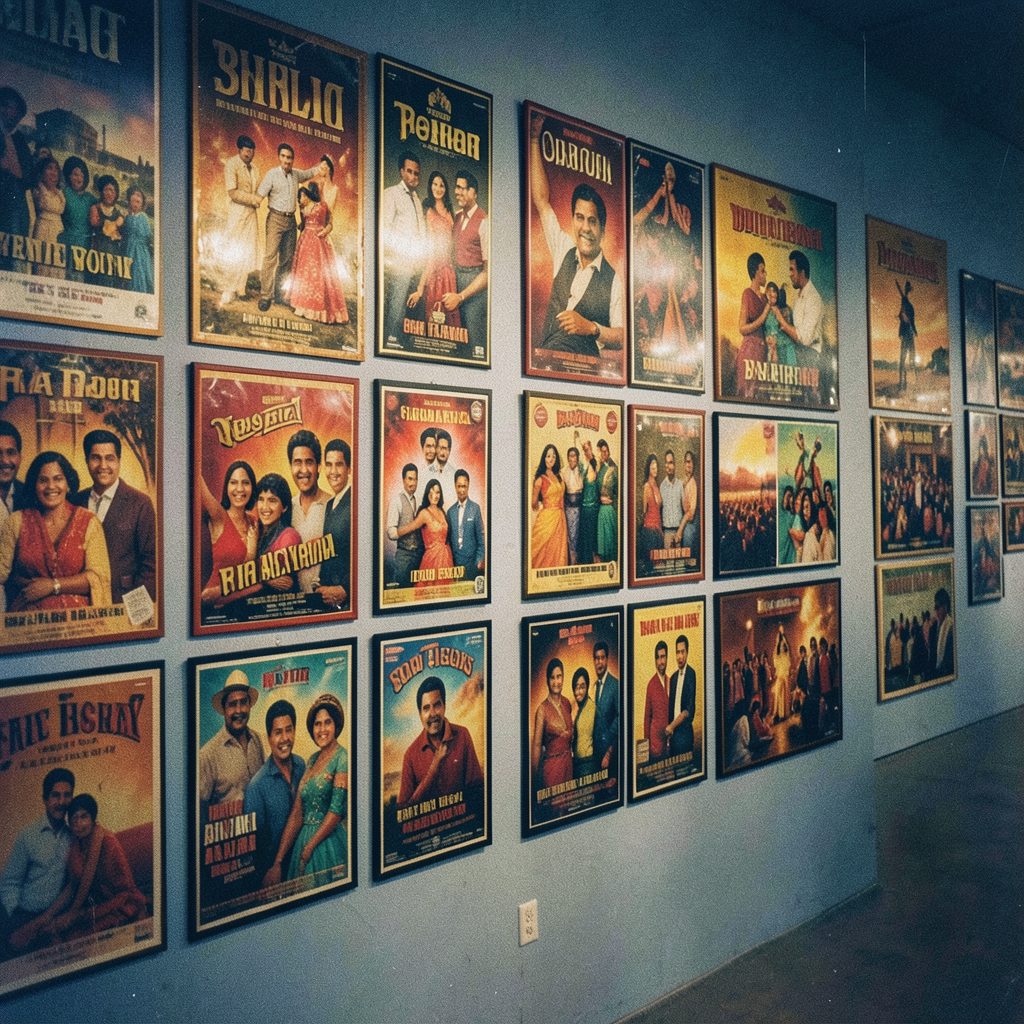

How Bollywood’s Post-Credit Scenes Are Changing Audience Expectations
A film’s ending used to arrive when the final credits began. Audiences could gather their bags, check the time and head into the night. Now, many Bollywood viewers stay seated until the last name disappears, waiting for a hidden scene, a comic exchange or a clue about what might come next.
This shift has been influenced by the wider popularity of Marvel-style after-credit moments, shared cinematic universes and spoiler-heavy social media. Hindi cinema is adapting those habits in its own way, using post-credit sequences to extend a story, announce a sequel or reward the most patient fans.
For Australian viewers, the change is especially visible in major releases screening at Event Cinemas, HOYTS and Village Cinemas. A Friday-night audience in Melbourne, Sydney or Brisbane may include Bollywood regulars, families, students and curious newcomers, all wondering whether leaving early means missing something important.
The result is a new viewing ritual. The credits are no longer treated as a clear signal to leave; they have become part of the film’s suspense, marketing strategy and conversation. That expectation is reshaping how audiences judge Hindi films after the main story has finished.
From surprise gag to story extension
Early post-credit scenes in Bollywood were often brief jokes, promotional clips or playful additions that had little effect on the main narrative. Their appeal came from surprise. A star might appear in an unexpected setting, or a comic character could return for one last punchline.
That approach still exists, particularly in broad Hindi comedies and films built around celebrity cameos. However, recent audiences increasingly expect a scene to carry narrative value. A glimpse of a new villain, a mysterious phone call or a reference to an unfinished conflict can turn a self-contained film into part of a larger franchise.
This has changed the emotional experience of the ending. Viewers may be satisfied with the climax but remain mentally alert, searching for signs that the story is not truly over. A post-credit sequence can therefore act as a second ending: smaller, shorter and designed to redirect attention towards the future.
Why Bollywood is embracing the format
Franchise planning is a major reason for the rise of end-credit scenes. Large-scale Hindi productions now invest in connected characters, spin-offs and recurring worlds. Spy thrillers, horror comedies and action series can use a final tag to introduce the next chapter without interrupting the central plot.
The technique also serves a practical marketing purpose. A sequel announcement delivered inside the film is more memorable than a standard trailer released separately. Fans discuss the scene online, explain its meaning to friends and share reactions across Instagram, YouTube and X. A few seconds of footage can create several days of entertainment coverage.
There is a commercial calculation behind the habit as well. When viewers stay through the credits, they spend longer inside the cinema environment and may be more likely to follow a franchise. In Australia, where Hindi films compete for screens with Hollywood blockbusters and local releases, a post-credit tease gives fans another reason to choose the cinema rather than wait for streaming.
Australian audiences bring different viewing habits
The Australian market has its own rhythm. A Hindi film may receive a concentrated release in suburbs with strong South Asian communities, including Parramatta and Harris Park in western Sydney, Craigieburn and Tarneit in Melbourne, or parts of Brisbane and Perth. Screenings can be especially busy during opening weekends, Indian festivals and school holidays.
Many Australian viewers also discover Bollywood through streaming platforms before seeing a major film in a cinema. That creates mixed expectations. Some arrive familiar with superhero franchises and assume every closing credit contains a clue. Others see the post-credit moment as a novelty and may leave when the lights rise, especially during a late session after a long workday.
Local exhibition habits matter too. Event Cinemas and HOYTS schedules may place Indian films in selected locations and at specific times, while Village Cinemas remains important in Victoria. A fan travelling across Melbourne or Sydney for a Hindi-language screening may be more willing to wait through ten minutes of credits than someone attending casually with mates.
| Viewing tradition | Modern post-credit approach | Effect on the audience |
|---|---|---|
| The story ends with the final scene | The final scene may lead into another plotline | Viewers stay alert after the climax |
| Credits signal that it is time to leave | Credits may contain essential franchise information | Leaving early can create fear of spoilers |
| Sequels are promoted through trailers and posters | Sequels can be announced inside the film | Online discussion begins immediately |
| A film is judged as a complete story | A film may be assessed as part of a larger universe | Patience and franchise knowledge become valuable |
| Hidden scenes are occasional surprises | End-credit tags are becoming an expected feature | Audiences feel disappointed when none appears |
The pressure to reward patient viewers
Once a post-credit scene becomes familiar, it stops feeling entirely unexpected. Viewers begin to predict its presence before the first scene starts. Entertainment websites, fan accounts and cinema forums may publish running times, spoiler warnings and early reports about whether a film includes an extra sequence.
That pressure can work against filmmakers. A weak or irrelevant tag may be criticised as a publicity trick, especially if it exists only to announce another project. Audiences are becoming more selective about what they consider a meaningful payoff. A short scene needs to add humour, emotion, world-building or genuine suspense.
Timing is important as well. A teaser that appears too early can reduce the impact of the main ending, while one that arrives after a long silence may test the patience of families and older viewers. In Australia, where a late-night session can involve a long drive or public transport connections, waiting has a real practical cost.
What makes a post-credit scene effective
The strongest scenes understand their purpose. A sequel hook should introduce a question without making the current film feel incomplete. A comic tag should reflect the characters rather than function as a random celebrity appearance. A tribute or emotional coda should deepen the audience’s connection to the story.
Clarity also matters. Hindi films often attract viewers with different levels of knowledge about earlier instalments. A scene packed with references may excite dedicated fans but confuse someone who has watched only the latest release. Subtitles, visual storytelling and recognisable character motivations help a sequence work across language and cultural backgrounds.
The best examples also respect the audience’s time. A short, well-placed moment can create anticipation more effectively than an extended explanation. It should feel like a reward for staying, not a compulsory advertisement attached to the film.
Smart ways to watch and discuss them
A changing credit culture calls for a few simple habits from viewers and film publishers. Spoiler-free reporting is particularly important during opening weekend, when a single social media thumbnail can reveal a sequel character or surprise cameo.
- Check the film’s official running time before booking a late session.
- Stay through the mid-credit section when a franchise connection seems likely.
- Avoid searching social media immediately after the screening if the twist matters.
- Treat online claims about extra scenes cautiously until the film is widely released.
- Give the scene its own assessment rather than judging the entire film by the tease.
- Remember that some films deliberately end without a post-credit sequence.
For Wassupbollywood readers, this trend creates room for useful coverage beyond a simple spoiler alert. A review can discuss whether the extra scene strengthens the film, while a box office report can examine whether franchise excitement affects repeat viewing. Release calendars can also flag films likely to attract audiences looking for connected stories.
The future of Bollywood’s end-credit ritual
Bollywood’s post-credit scenes are likely to become more varied rather than universally mandatory. Big action franchises may continue using them to connect characters, while standalone dramas could use a final image or quiet epilogue to leave viewers with an additional emotional note.
Streaming has added another layer to the conversation. At home, viewers can pause, rewind and search for explanations instantly. In a cinema, the shared decision to remain seated creates a stronger communal experience. That difference may keep the format valuable even as audiences move between theatres and digital platforms.
For Australian fans, the practical rule is simple: if a Hindi film belongs to a developing franchise, treat the credits as part of the running time. At the same time, an absent tag is not a failure. The real measure is whether the extra moment earns its place by adding story, feeling or anticipation. Before booking that late screening, allow a few additional minutes after the advertised finish—and stay seated when the film has given you a reason to.