How Bollywood period dramas research historical accuracy
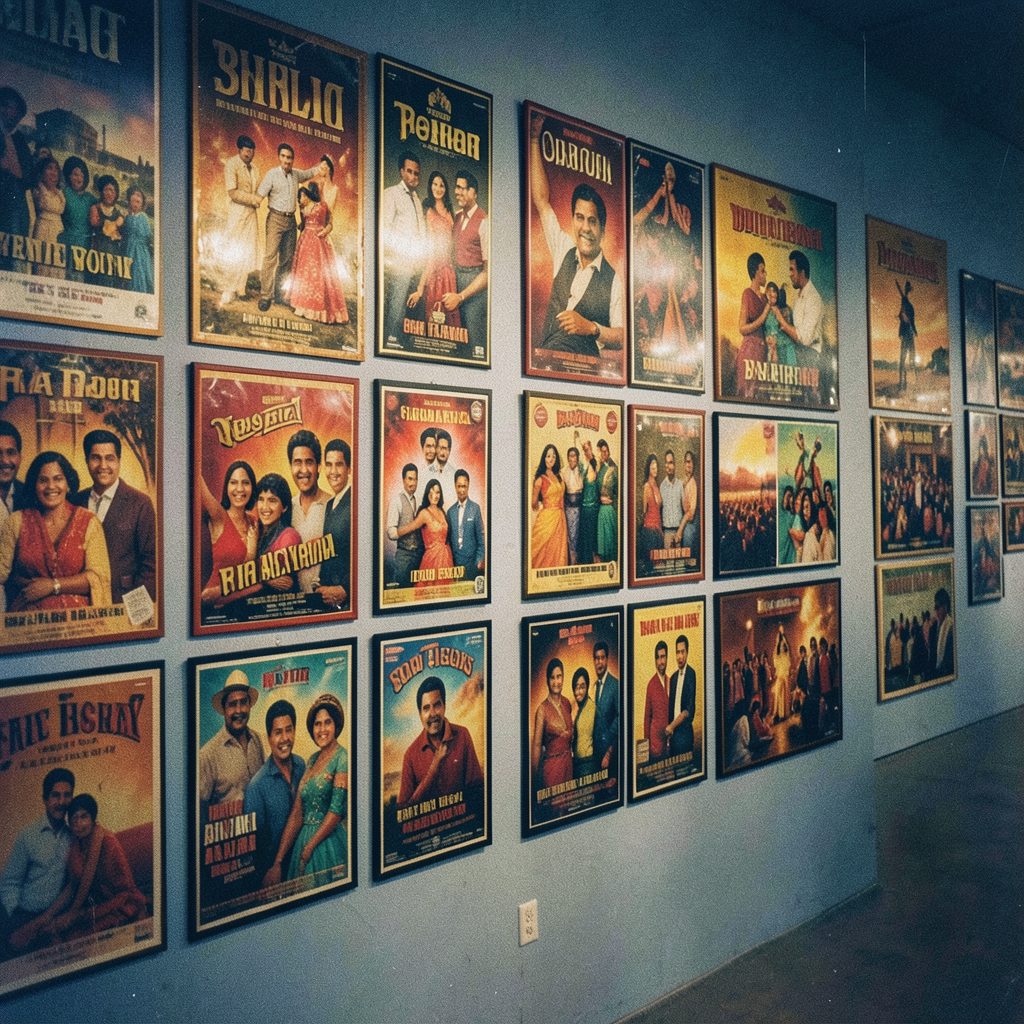
Bollywood has always been drawn to the grandeur of the past, but in recent years the industry has shifted from sweeping romance to meticulously researched period pieces. Films like Bajirao Mastani, Padmaavat, Tanhaji, and the more recent Sam Bahadur have placed historical accuracy at the centre of their storytelling, hiring scholars, archivists, and language coaches well before cameras roll. The change is partly commercial, partly creative: producers know that modern audiences fact-check every court scene on social media within hours of a trailer dropping.
For viewers in Australia, where Hindi cinema enjoys a loyal following and dedicated festivals in Melbourne and Sydney, that appetite for accuracy has tangible consequences. Distributors release films in suburban cinemas from Parramatta to Footscray, and university clubs at Melbourne, Monash, and UNSW screen classics to curious crowds who expect more than glossy sets. The research rigour behind a project now shapes how it is marketed, debated, and remembered.
The rise of Bollywood period dramas
Period dramas were once a niche corner of Hindi cinema, dominated by mythologicals and the occasional Mughal romance. The genre exploded commercially after Jodhaa Akbar and the Sanjay Leela Bhansali wave, which proved that grand historicals could open big on the first day and keep pulling crowds in multiplexes. Producers soon realised that historical spectacle could compete with action franchises and romantic musicals.
That commercial confidence allowed studios to extend pre-production timelines. Where once a historical might be shot in sixty days with borrowed costumes, contemporary productions sometimes spend six to twelve months on research alone. The financial gamble is substantial, but the payoff is global: streaming platforms have picked up Indian historicals because the production value travels well, and Australian subscribers regularly rate them among the most-watched foreign-language titles each quarter.
Research teams and the sources they trust
Behind every well-received historical sits a small army of specialists. Directors bring on board historians from universities such as JNU, Delhi University, and Allahabad, alongside retired archivists from the National Archives of India. Their job is to vet every line of dialogue, every prop, and every painted backdrop. Costume designers consult journals and miniature paintings, while dialect coaches work with actors to nail the cadence of an era. The process is rarely glamorous, but it is why a film like Tanhaji feels less like a costume pageant and more like a reconstructed world.
Production teams visit forts, palaces, and battlefield sites to study architecture, lighting, and terrain. Photographers capture details of stonework, weapons, and royal regalia that no printed book provides. For films set in regions with living descendants of historical figures, oral histories become crucial: family elders recount customs, gestures, and dialects that no manuscript preserves. Funding for this collaborative work usually comes from the production budget itself, though some projects now draw on cultural grants. The team approach extends to dialogue writers, who read Persian, Urdu, and Marathi chronicles alongside modern scholarship. Even music is vetted, with composers asked to avoid instruments that did not exist in the period.
Costume, language and set design
Much of the public scrutiny of Bollywood period dramas focuses on what is visible: jewellery, armour, and architectural detail. Costume teams study miniature paintings, temple carvings, and museum collections in Rajasthan, Gujarat, and the South to recreate textiles that feel period-specific. Jewellers are commissioned to forge replicas of historical pieces using traditional methods, which often takes months of bench work in Jaipur and Hyderabad. Props such as swords, shields, and royal seals are sourced from collectors or replicated by blacksmiths familiar with period metallurgy.
Language presents another frontier. Mughal-era films use carefully calibrated Urdu and Persian vocabulary, while Marathi historicals lean on formal court registers that modern audiences rarely hear. Actors undergo weeks of dialect training, and writers mark scripts with pronunciation guides. Set designers avoid recycling generic palace interiors, instead constructing sets based on measured drawings from archaeological surveys. The combined effort is what separates a credible historical from a star vehicle in fancy dress.
Australian audiences and the demand for authenticity
Australian viewers of Hindi cinema are not passive consumers. Suburban multiplexes in Parramatta, Harris Park, and Glen Waverley regularly screen new Bollywood releases, and local film societies in Melbourne host Q&A sessions that often turn into forensic discussions of period detail. SBS, long a champion of South Asian content in Australia, has helped normalise Bollywood viewing outside diaspora bubbles, and university cinema clubs at ANU and Macquarie University regularly programme retrospectives.
This engaged audience base shapes expectations. When an Australian viewer notices a misplaced insignia or a modern hairpin in a seventeenth-century battle scene, the complaint travels fast on forums, podcasts, and even local ABC radio segments that occasionally cover Indian film releases. The Wassupbollywood news desk tracks Australian reception as closely as domestic box office, since a film that fails the accuracy test here often signals trouble in other discerning markets.
Controversies, inaccuracies and the path forward
No amount of research can please every historian, and Bollywood period dramas have learned this the hard way. Disputes around Padmaavat, for example, drew protests and historical rebuttals that lasted years, while smaller films have been pulled from streaming platforms after petitions from descendant communities. Studios now treat historical sensitivity as a risk-management issue, with legal teams vetting scripts for potential communal flashpoints and consultants flagging anything that could provoke political backlash. The cautious approach has produced some excellent films and a few over-cautious ones, where the urge to offend no one has sanded off the rough edges of the source material.
Looking ahead, the research process is becoming more institutional. Indian universities now offer fellowships that place historians inside active film productions, and streaming platforms have set up internal historical advisory units. For audiences in Australia and elsewhere, the trend is welcome: fans who once relied on gossip columns and DVD extras can now find detailed production notes, archival sources, and behind-the-scenes documentaries alongside the main release. The democratisation of that material means viewers arrive at the cinema armed with their own historical checklists, and the films that survive that scrutiny tend to age the best.
| Film | Release Year | Lead Research Approach | Notable Accuracy Feature |
|---|---|---|---|
| Bajirao Mastani | 2015 | Persian-Maratha archival study | Recreated Peshwa court costumes |
| Padmaavat | 2018 | Rajput miniature painting analysis | Historically scaled Rajput armour |
| Tanhaji | 2020 | Fort-based architectural research | Measured drawings of Raigad fort |
| Sam Bahadur | 2023 | Military archive and veteran interviews | Uniform details vetted by ex-army officers |
| Chhaava | 2025 | Marathi court chronicle review | Recreated Shivaji-era Marathi dialogue |
Research methods that stand the test of scrutiny
- Consulting regional historians who specialise in the exact century or dynasty
- Visiting archaeological sites and photographing structural details for set design
- Commissioning jewellery and weapons from traditional craftspeople using period methods
- Recording oral histories from descendant communities and folk performers
- Cross-checking dialogue against primary sources like court chronicles and letters
How Australian viewers engage with Bollywood historicals
- Joining Q&A sessions at Indian film festivals hosted in Melbourne and Sydney
- Subscribing to streaming platforms that archive production documentaries
- Discussing accuracy on Australian Bollywood podcasts and community forums
- Attending screenings at cultural centres in Harris Park and Edensor Park
- Comparing research notes with friends during catch-up screenings at home cinemas
For fans who want to enjoy a new release without getting caught in the accuracy debate, a simple habit helps: skim a couple of well-sourced articles about the historical figure before buying a ticket, then let the film do its job. The more people who walk in prepared, the more the studios have an incentive to invest in the research that separates a lasting historical from a forgettable one.