The quiet magic behind Bollywood's on-screen transformations
Bollywood's biggest stars rarely walk onto a set looking like themselves. Hours before the camera rolls, a team of makeup artists, hair designers and prosthetics specialists begins reshaping bone structure, skin texture, and the smallest details that an audience reads as character. Their work rarely gets a standing ovation, yet it carries entire films forward, turning contemporary actors into historical figures, deities, gangsters and lovers with such conviction that viewers forget the faces they started with.
For Australian fans of Hindi cinema, these transformations feel especially striking when experienced through festival screenings in Melbourne and Sydney, where curated retrospectives often spotlight a single artist's body of work. The technicians behind the mirror are quietly building some of the most recognisable visual identities in global popular culture, and their influence now drifts into Australian studios, fashion schools and even bridal beauty trends.
The alchemy of prosthetics and period looks
Creating an aged Maharashtrian warrior or a 19th-century courtesan requires far more than foundation and powder. Specialists sculpt silicone appliances for sunken cheeks, prosthetic noses and receding hairlines, then blend them into the actor's skin with thin layers of alcohol-activated paint. A single jawline can demand two days of work, with the final result photographed under daylight-mimicking bulbs so every edge disappears.
Makeup teams frequently study archival portraits, vintage news reels and even Australian museum collections that document colonial-era clothing, since period accuracy now defines how serious a production looks. The lessons flow both ways: a recent workshop hosted in Brisbane's Asia Pacific arts scene brought Mumbai prosthetic artists face to face with Australian theatre designers, who in turn borrowed Indian techniques for large-scale stage ageing.
Skin tones, HD cameras and the science of undertones
The leap from celluloid to digital cinema forced a complete rethink of how makeup sits on skin. HD sensors catch every pore, every flake, every uneven contour, so artists now mix foundations drop by drop, customising pigments to match the actor's underarm and neck tones rather than the face alone. A single wrong shade becomes visible in a wide shot, and contemporary crews build personal swatch books for each performer.
Lighting designers collaborate closely with the makeup chair, since Australia's strong UV index has shaped local film practices that inform how Hindi shoots handle outdoor scenes in Rajasthan or the backlots of Film City. The result is a shared vocabulary of contouring, colour correction and translucency that travels freely between continents.
Building a character with the director
No transformation happens in isolation. The makeup head meets the director, costume designer and cinematographer weeks before shooting, sharing reference books and mood boards so every choice on the face ties back to the story. For biopics, that collaboration often includes interviews with family members and photographs from personal archives, ensuring that a single mole or scar lands in the right place.
In Melbourne's Indian Film Festival circuit, post-screening panels have highlighted how this collaborative process has matured, with several Australian filmmakers drawing on the same multi-department rehearsal model when preparing historical dramas. The character lives in the actor's body, but it is conceived in long production meetings where makeup artists carry equal weight with writers.
Tools, products and quiet innovation
The kit carried into a modern Bollywood makeup room barely resembles the one used a decade ago. Airbrush compressors, silicone-based pigments and silicone-mixing palettes have replaced many hand-blended foundations, while eyebrow-mapping stencils and digital skin scanners help artists design the face long before the actor sits down.
The shift has produced a small industry of suppliers, and Australian cosmetics buyers can now find several of these professional lines in Melbourne's Indian grocers and Sydney's specialty beauty stores.
Key innovations reshaping the craft:
- Alcohol-activated palettes that bond prosthetic edges without sticky seams
- Lightweight silicone gels that move naturally under hot studio lights
- High-definition finishing sprays designed for 4K capture
- Microfibre applicators that lay pigment without disturbing base layers
- Magnetic eyelash systems that survive long shooting days and rain
- Custom-blended foundation banks built for individual actors
Ethics, fairness creams and industry accountability
The glamour of transformation has a complicated shadow. For decades, fairness creams and skin-lightening products were advertised through cinema itself, and makeup departments sometimes faced pressure to adjust an actor's complexion scene by scene. Younger artists have begun pushing back, refusing to alter performers' natural tones for commercial reasons and openly discussing safer alternatives in interviews.
Australian audiences have followed these conversations closely, in part because Australian regulators tightened rules around skin-lightening advertising years before similar discussions reached South Asia. Several Australian-trained artists now consult on ethical protocols for Mumbai productions, a quiet exchange that has begun reshaping department standards and casting briefs.
From studio to living room: how fans engage with the look
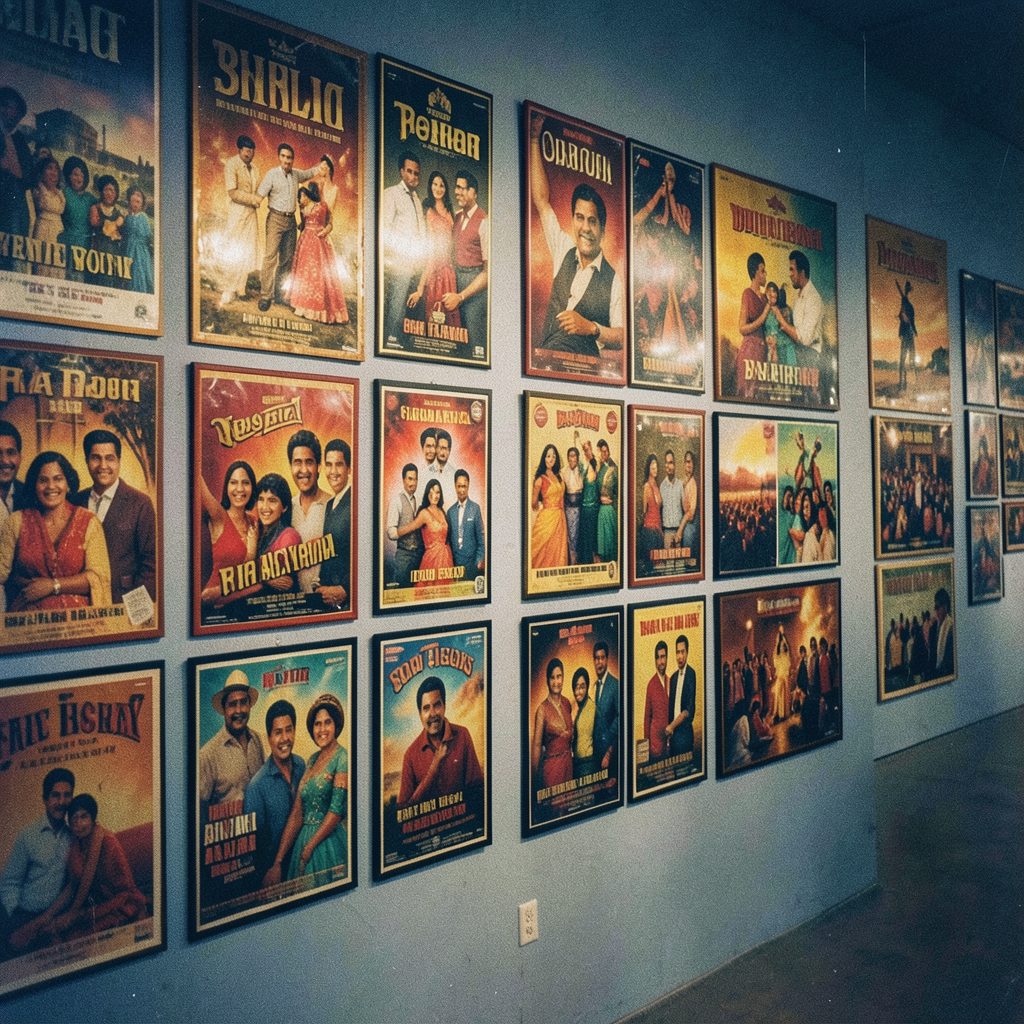
A successful transformation spreads far beyond the theatre. Posters, stills and edited wallpapers circulate within hours of release, and Indian-Australian communities in suburbs like Parramatta and Harris Park often print large-format portraits for cultural events. Fans dissect before-and-after images on forums, while stylists working on Australian productions study the same reference folders shared online.
News coverage, gossip columns and trailer breakdowns amplify the conversation further, with portals like Wassupbollywood News tracking how each new look is received, compared and archived. The transformation becomes a piece of pop culture in its own right, shaping how future films are pitched and marketed.
The fan-driven economy behind the icon
The financial gravity of these looks has grown impossible to ignore. A single viral poster can move merchandise, fuel brand endorsements and inspire bridal makeup trends across continents. Indian-Australian designers in Sydney's fashion district frequently credit Bollywood transformations as a starting point for fusion collections, adapting palette choices and accessory pairings for local weddings.
Behind the scenes, the artists who build these looks now hold real negotiating power. Their contracts often include image-rights clauses that protect their portfolio, while agency representation has spread from Mumbai to overseas markets, including Australia, where a handful of specialists have opened studios catering to film, fashion and music videos.
Culturally resonant looks from recent years:
- The aged poet transformation in a celebrated biopic that toured Australian retrospectives
- The courtesan-inspired look built around antique hairpieces and hand-mixed pigments
- The de-glamourized gangster face that relied on prosthetic scarring and matte finishes
- The modern royal avatar designed for a streaming-era period series
- The young rebel archetype that turned an established star into a chart-topping newcomer
Start by saving a folder of five reference looks you admire, then book a consultation with a Mumbai-trained artist visiting Sydney or Melbourne next quarter to translate that inspiration into a personal portrait session.