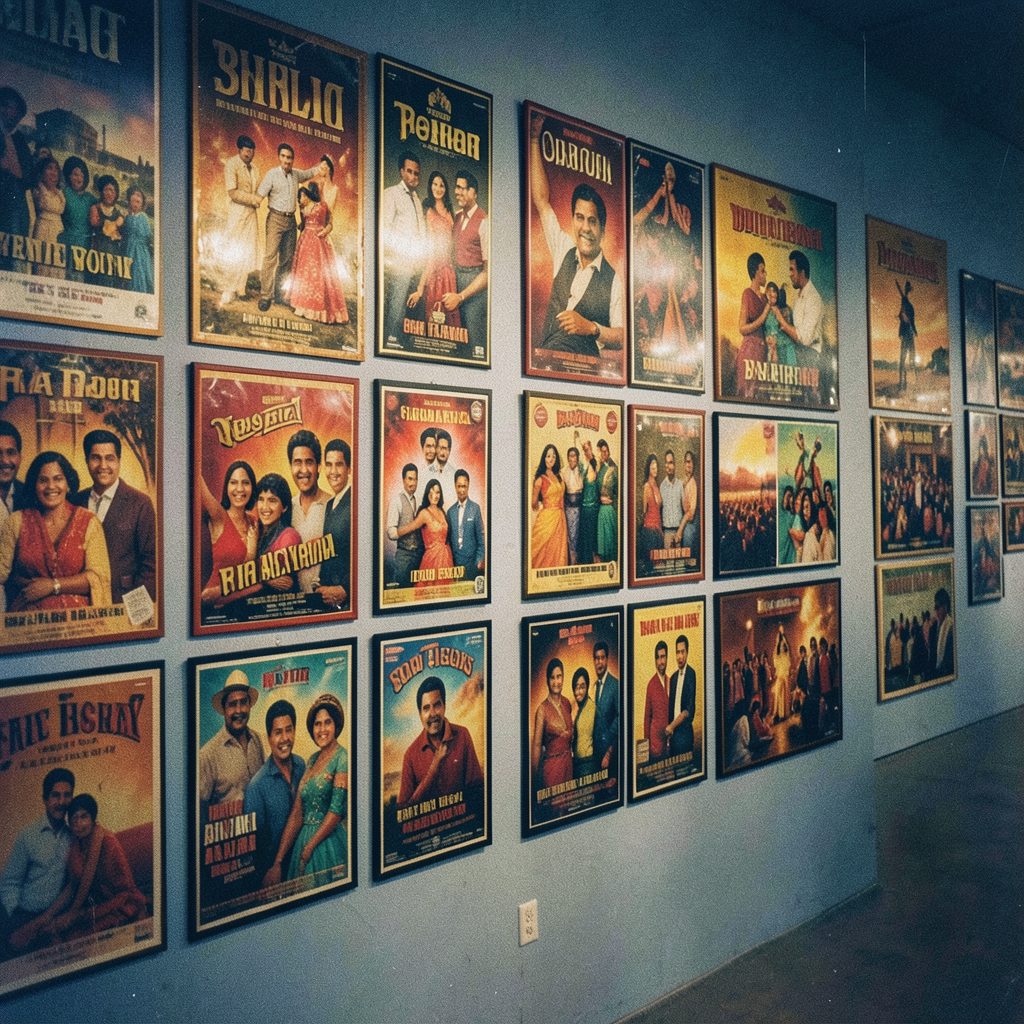

How Bollywood's songwriters are turning verses toward social issues
For decades, Hindi film songs lived in the realm of longing, heartbreak and picturesque romance, soundtracked by grand orchestras and choreographed dreams. Today, a quiet but powerful shift is underway as Bollywood's lyricists weave conversations about mental wellbeing, gender rights and ecological decay into chart-topping numbers. Listeners streaming these tracks from Sydney terraces, Melbourne townhouses or Brisbane high-rises are noticing that the words on screen carry weight far beyond a familiar filmy hook.
This transformation is not a passing phase. Writers who once specialised in melodious declarations of love are now penning verses that interrogate prejudice, question tradition and acknowledge vulnerability. The change is visible in releases from major music labels, and it resonates strongly in markets where Hindi cinema holds cultural significance, including Australia's Indian diaspora hubs of Melbourne, Sydney and Perth, where community events and screenings bring fans together throughout the year.
The new wave of Hindi film lyricists
Modern lyricists like Amitabh Bhattacharya, Varun Grover, Swanand Kirkire and Irshad Kamil are bringing narrative depth to commercial tracks. Bhattacharya, whose work spans from the soulful "Channa Mereya" to the politically edged "Nijju", treats every verse as a small screenplay. Grover, who wrote the biting satire of "Manna Thaanathe Kanna" and the introspective "Ajeeb Si Haalat Hai" from Article 15, brings literary weight to mainstream compositions. These writers grew up reading Gulzar and Javed Akhtar, but they are unafraid to break the mould by addressing contemporary anxieties.
This new guard operates in tandem with a young crop of composers like Amit Trivedi, Sachin-Jigar and the duo Ajay-Atul, who actively seek out lyrics that provoke rather than merely seduce. The result is a songbook where a single album can move from a celebratory dance number to a meditation on grief within a single tracklist. Such range was once rare in mainstream Bollywood, where producers typically demanded uniformity of mood to maximise radio play. The shift is also visible in the production houses backing these writers, with Dharma Productions, Yash Raj Films and the newer RSVP Movies routinely commissioning songs that align with their broader storytelling ambitions.
| Earlier Bollywood lyric conventions | Modern socially conscious trends |
|---|---|
| Focus on romantic longing, idealised love | Focus on consent, equality and emotional honesty |
| Heroes portrayed as invincible, often stalkerish | Heroes shown vulnerable, processing trauma |
| Villains demonised through crude caricature | Systemic issues like caste and class interrogated |
| Nature used as decorative backdrop | Nature invoked as a fragile ecosystem under threat |
| Mental anguish treated as melodrama | Mental health discussed with care and nuance |
| Women defined by their relationship to the hero | Women portrayed as individuals with agency |
Themes reshaping the modern filmi songbook
Several recurring themes define this lyrical evolution. Mental wellbeing has moved from whispered subtext to overt subject, with songs such as "Kar Har Maidaan Fateh" from Sanju reframing struggle as resilience, and "Bezubaan Kab Se" exploring female desire without shame. Grief, long a Bollywood staple, is now treated with psychological realism rather than theatrical excess, signalling a maturity that has been welcomed by critics and audiences alike.
Environmental concern is another growing strand. Recent releases from Maddock Films include imagery critiquing urban pollution and deforestation, while older tracks such as certain verses from Rockstar have been reclaimed by environmental activists as quiet anthems for forest conservation. Australian listeners familiar with the devastating bushfires of 2019 and ongoing concerns about the Great Barrier Reef may find particular resonance in such ecological verses, which feel less abstract when read against the local landscape.
Caste and class commentary has gained traction too. Songs from films like Article 15 question how caste privilege is normalised in everyday interactions, while recent dance numbers occasionally carry a satirical line that asks audiences to think twice. This is a marked change from the apolitical fare that dominated radio waves a decade ago, when lyricists rarely strayed from predictable emotional territory.
Gender, identity and intersectionality in lyrics
Female autonomy is a recurring preoccupation. Newer originals such as tracks from Mimi celebrate ambition rather than mere appearance, and the female gaze is gradually reshaping how women are described on screen, with lyricists replacing objectifying language with observations about intellect, courage and choice. Across social media, younger fans are also remixing older songs to insert verses about bodily autonomy, creating a grassroots dialogue with the original filmi canon.
Masculinity is being redefined as well. Tracks from Gully Boy and Ludo present men processing failure and emotional dependence without resorting to aggression. Such portrayals matter because Bollywood has long shaped ideas of manhood across the diaspora, including for young Indian-Australian men in suburbs like Harris Park in Sydney or Tarneit in Melbourne, where cultural identity is constantly negotiated between home traditions and Australian values.
Intersectionality is also entering the frame. Lyricists are beginning to acknowledge how gender, caste and economic status overlap in ways that single-issue songs cannot capture. The result is a more textured filmi vocabulary that mirrors the complexity of conversations happening in Australian multicultural classrooms, university campuses in Melbourne and Sydney, and community forums during Diwali celebrations across the country.
Mental health and quiet resistance in filmi verses
Perhaps the most significant shift is the willingness to portray psychological struggle with dignity. Older films often depicted sadness through rain-soaked montages, but new songs integrate therapy-speak and emotional literacy. "Khulke Jeene Ka" from Dil Bechara is a clear example, urging listeners to live openly rather than perform happiness. Such messaging aligns with Australian mental health awareness campaigns run by organisations like Beyond Blue and Lifeline, both of which have seen rising engagement from Hindi-speaking communities.
Quiet resistance also runs through contemporary lyrics. Rather than overtly political slogans, modern songwriters embed dissent in metaphor. Subtle lines asking listeners to mind their own path and ignore noisy judgment carry Buddhist and existential undertones that reach audiences who may not consume political journalism but absorb ideas through entertainment. These nuanced verses travel far beyond Indian shores.
The commercial success of these tracks proves that socially aware lyrics can also be popular. Numbers like "Apna Time Aayega" from Gully Boy became rallying cries during the Australian bushfire season, used in fundraising concerts in Melbourne and Sydney. Music, in other words, is doing what cinema has always promised: holding a mirror to society and inviting change.
How Australian audiences are receiving the new filmi sound
Australia has emerged as one of the most engaged overseas markets for contemporary Bollywood content. The Australian Classification Board, which rates films and home entertainment under the National Classification Scheme, has cleared an increasing number of Indian titles for theatrical release, allowing local distributors to mount wider cinema campaigns. Event Cinemas on George Street in Sydney and Hoyts at Melbourne's Chadstone frequently schedule Hindi films with English subtitles, widening their audience beyond the diaspora.
Streaming has accelerated the trend further. Platforms available in Australia, including Netflix, Stan and Amazon Prime Video, have aggressively licensed new Bollywood releases, meaning socially aware songs reach Australian listeners within days of their Indian debut. Spotify Wrapped data has shown Hindi film music among the fastest-growing categories for users in New South Wales and Victoria, a shift that global playlist editors have been quick to acknowledge.
Live engagement is equally strong. Festivals such as the Indian Film Festival of Melbourne and the Sydney Bollywood Dance Competition attract thousands of participants each year, with many performances drawing on the more lyrical, message-driven songs. SBS Hindi, which broadcasts across Australia, regularly features interviews with the very lyricists driving the change, while community halls in Parramatta and Footscray host karaoke nights built around the new socially conscious sound.
Practical ways to follow this lyrical shift
- Subscribe to playlists curated by Indian music labels on Spotify Australia to receive new socially themed tracks automatically.
- Attend screenings of new Bollywood releases at venues such as the Indian Film Festival of Melbourne or local event cinemas.
- Read interviews with lyricists like Varun Grover and Amitabh Bhattacharya in publications such as Film Companion and international entertainment magazines.
- Compare older and newer songs side by side using YouTube annotations to appreciate how themes have evolved.
- Discuss the lyrics with younger family members to bridge generational conversations about identity and values.
- Support Australian distributors that champion independent Hindi cinema, ensuring wider theatrical access.
- Use the SBS Hindi radio service and podcasts to hear commentary and analysis alongside the music itself.
The transformation of Bollywood's songbook is a story worth following closely. Words that once only declared love now question it, redefine it and sometimes refuse it. Australian listeners, whether they queue for a midnight screening in Parramatta or stream a new album on a quiet evening in Brisbane, are part of a global audience whose tastes are shaping what Hindi cinema chooses to sing about next. The most important thing to remember is that a film song, like any poem, can either soothe or stir. Today's Bollywood lyricists are choosing to stir, and the world, including Australia's many thriving Indian communities, is listening closely.