
Why Bollywood’s Independent Films Are Reaching Wider Audiences
For years, Hindi cinema’s independent film scene operated in the space between festival acclaim and limited theatrical release. These films often had ambitious stories, unfamiliar faces, and distinctive visual styles, yet struggled to compete with star-driven spectacles for screens, marketing budgets, and public attention.
That pattern is changing. Streaming platforms, social media, affordable filmmaking technology, and a more adventurous audience have created new routes to visibility. A compelling small-budget film can now generate conversation through a trailer, a festival award, a creator interview, or a passionate online recommendation before it reaches a large audience.
The shift does not mean mainstream Bollywood has lost its appeal. Big action films, romantic dramas, franchise movies, and celebrity releases still dominate headlines. However, viewers are increasingly willing to move between commercial entertainment and grounded cinema when the storytelling feels fresh, emotionally direct, or culturally relevant.
A Wider Definition Of Hindi Cinema
Independent Bollywood cannot be defined only by a small budget. It includes films made outside the traditional studio system, projects led by emerging directors, issue-based dramas, unconventional genre experiments, and star-free movies that prioritize narrative over celebrity power. Some receive theatrical distribution, while others find their audience through streaming or film festivals.
This wider definition has helped independent filmmakers connect with changing audience preferences. Urban viewers may seek realistic dialogue and social commentary, while audiences in smaller cities can respond to stories that reflect their own communities. Regional influences, hybrid genres, and naturalistic performances have also made Hindi cinema feel less predictable.
The growing interest in audience taste shows that viewers are not governed by a single preference. A film can be violent, intimate, stylized, humorous, or deeply realistic and still find success when its emotional promise is clear.
Streaming Has Changed The Route To Discovery
Theatrical distribution remains important, but streaming has removed several barriers that once prevented smaller films from reaching viewers. An independent production no longer needs a massive opening weekend to remain visible. It can build a steady audience through recommendations, curated collections, reviews, and repeat viewing.
Digital platforms have also encouraged experimentation. Filmmakers can explore stories about migration, mental health, class, sexuality, rural life, workplace pressure, and family conflict without shaping every creative choice around a conventional box-office formula. A limited theatrical run can now serve as a launchpad before a film reaches viewers across India and overseas.
This model has created a new form of success. A movie may not dominate the box-office report but can become a frequently discussed release on social platforms. Strong completion rates, search interest, clips shared by viewers, and positive word of mouth can give a film a longer cultural life than its opening numbers suggest.
The New Economics Of Visibility
The business environment still presents serious difficulties. Independent productions often have limited promotional budgets, fewer screens, and less access to prime release dates. A strong screenplay alone cannot guarantee visibility when a film competes with heavily marketed tentpoles and established franchises.
At the same time, marketing has become more flexible. Short-form video, podcast appearances, behind-the-scenes material, and cast interviews can create awareness without the cost of a nationwide campaign. Festival selections and reviews can provide credibility, while a memorable poster or trailer can give a modest release a recognizable identity.
| Factor | Large Commercial Release | Independent Hindi Film |
|---|---|---|
| Primary draw | Stars, franchise value, spectacle | Story, theme, performance, originality |
| Marketing style | Broad campaigns and mass advertising | Targeted digital promotion and word of mouth |
| Distribution | Multiple screens and major release windows | Select theatres, festivals, and streaming |
| Audience expectation | Immediate entertainment and scale | Discovery, realism, and creative risk |
| Main success measure | Opening weekend and total gross | Long-tail viewing, critical response, and cultural discussion |
This contrast is becoming less rigid. Commercial studios are borrowing the visual language of independent cinema, while smaller productions are adopting sharper promotional strategies. The two sides increasingly influence each other, especially in the areas of genre design, casting, music, and social media communication.
Performers Are Bringing New Audiences With Them
Actors have become an important bridge between niche cinema and the mainstream. Performers who gained recognition through independent dramas, theatre, or streaming series can now attract viewers to projects that might once have seemed difficult to market. Their reputation for credible performances creates trust before the first scene begins.
Established stars are also using their influence to support less conventional work. A recognizable actor in a restrained role can give a film greater visibility without overwhelming its story. At the same time, casting directors are introducing new talent through films that rely on chemistry and character development rather than familiar celebrity image-making.
This trend has changed the conversation around performance. Audiences now discuss accents, physical transformation, restrained acting, ensemble dynamics, and character authenticity with greater interest. Film reviews and celebrity coverage increasingly meet in the same space, allowing a performer’s creative choices to become part of mainstream entertainment news.
Social Themes Are Finding A Popular Language
Many independent Hindi films gain attention because they approach serious subjects through accessible storytelling. A film about unemployment may be framed as a family drama. A story about social inequality may use satire. A relationship film can explore gender expectations without becoming a formal political statement.
The most effective movies understand that relevance does not require heavy exposition. Strong characters, specific settings, and recognizable conflicts can make a social theme feel personal. Viewers may enter for the plot and leave discussing the larger issue, which gives the film a stronger chance of continuing through recommendations and online debate.
This is especially significant for younger audiences, who are comfortable identifying contradictions in popular culture. They may enjoy glamorous Bollywood fashion and energetic dance numbers while also seeking films with quiet performances and difficult subjects. That range has expanded the commercial meaning of Hindi entertainment.
Festivals, Critics, And Fans Build Momentum
Film festivals remain important discovery spaces for independent filmmakers. A premiere can attract international attention, help secure distribution, and give a project a reputation before its public release. Awards are useful, though audience engagement often depends on whether the film can communicate its appeal beyond the festival circuit.
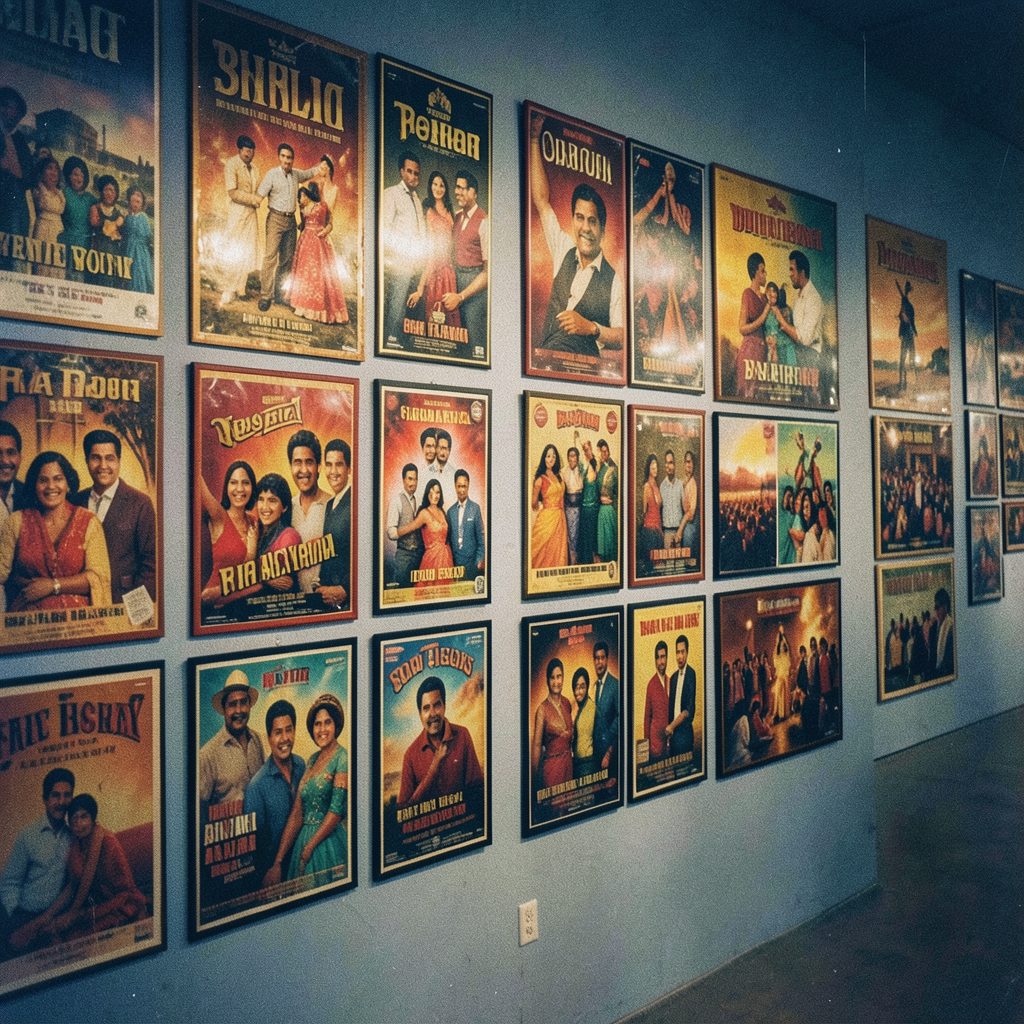
Critics and digital creators now perform a wider role in that process. A thoughtful review, a director interview, or an explanation of a film’s visual style can guide viewers toward work they might otherwise miss. Trailers, stills, posters, and wallpapers also contribute to a release’s identity, especially when a film has a distinctive aesthetic.
Fan communities complete the cycle. Viewers share scenes, recommend performances, debate endings, and track upcoming releases across social platforms. This participation turns independent cinema from a one-time viewing choice into an ongoing cultural conversation, helping smaller titles remain visible alongside major Bollywood announcements.
What Could Strengthen The Next Wave
The future of Hindi independent cinema will depend on more than audience curiosity. Filmmakers need fairer access to screens, transparent contracts, practical publicity support, and financing models that allow creative risks without placing unsustainable pressure on directors and producers.
Platforms and exhibitors can also help by presenting smaller films as important releases rather than filler between major titles. Better scheduling, regional promotion, subtitles, accessible pricing, and meaningful editorial placement can introduce experimental work to viewers who are interested but unfamiliar with it.
- Build marketing campaigns around the film’s strongest emotional or visual idea.
- Use theatrical screenings, festivals, and streaming as connected stages rather than separate paths.
- Invest in emerging actors, writers, editors, and cinematographers with distinctive voices.
- Make subtitles and regional outreach central to distribution plans.
- Track long-term audience engagement instead of relying only on opening-day revenue.
Independent Hindi cinema is gaining mainstream attention because the boundary between “commercial” and “alternative” is becoming more fluid. Viewers still want spectacle, stars, music, and escapism, yet they also reward films that offer surprise, emotional truth, and a sharper understanding of contemporary life.
For audiences, the best way to sustain this movement is to seek out promising releases, share thoughtful reviews, follow new filmmakers, and support films through legitimate theatrical or streaming channels. For the industry, the opportunity is clear: give original Hindi stories the visibility they need, and the audience will decide how far they can travel.