How Bollywood's Horror Cinema Has Evolved Across Three Decades
Bollywood's relationship with the macabre stretches back to mythological tales of churails and djinns, yet the modern horror genre truly found its commercial footing in the 1990s. What began as campy late-night cable fare on VHS cassettes has grown into a sophisticated strand of regional and mainstream cinema that now travels confidently to festivals in Sydney and Melbourne, where Indian diaspora audiences gather at events such as the Indian Film Festival of Melbourne and the Bollywood-coverage programming hosted at Sydney's Parramatta Riverside Theatres. The shift from formulaic possession dramas to layered folklore-inflected stories reflects changing audience tastes, new funding models, and the impact of global streaming platforms now accessible to viewers across suburban Brisbane and Perth.
The Australian appetite for Hindi cinema has quietly shaped how distributors approach horror titles. Classification Board rulings on violence and supernatural themes sometimes lead to trimmed or uncut releases at local multiplexes, while platforms like Netflix Australia and Stan have widened access to experimental projects that would never have secured wide theatrical runs. Understanding this evolution means looking at the distinct phases that have defined the genre, each marked by a particular mood, set of influences, and set of creative risks.
The Ramsay Brothers Foundation and VHS-Era Frights
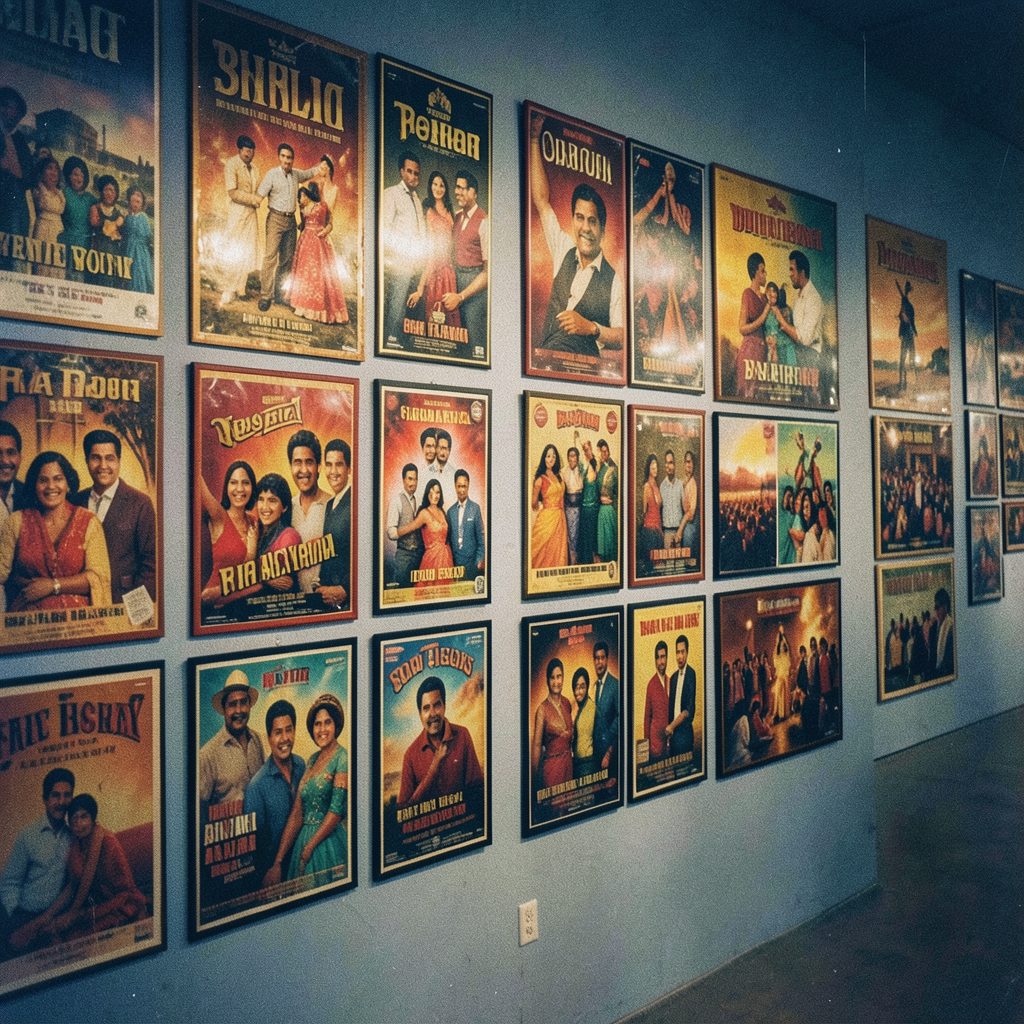
The late 1980s and 1990s belonged almost entirely to the Ramsay Brothers and their ghungroo-wearing, disco-lit haunted mansions. Films such as Purana Mandir, Bandh Darwaza and Veerana operated within a recognisable template: ancestral curses, dripping caves, villainesses in white, and a musical interlude every fifteen minutes. These productions were cheap, fast, and proud of it, and they found a global audience through the booming VHS rental market. In Sydney's western suburbs and Melbourne's Clayton district, Indian grocery stores often doubled as cassette vendors, and the next-generation filmgoers who grew up watching these films on grainy tapes still recall them with affection.
The Ramsays' signature was the fusion of horror with action, melodrama, and even comedy. They drew on Hindu folklore, the imagery of the tantric practitioner, and the iconography of the South Indian yakshi figure, which they transplanted into Hindi-language narratives. Critics often dismissed the films as lowbrow, yet their commercial success laid the groundwork for everything that followed. Without the Ramsay factory, there would have been no viable horror audience in the Hindi belt, no track record of genre hits, and no comfort with supernatural subject matter in mainstream production houses.
Several titles defined this VHS-led wave:
- Purana Mandir, the 1984 haunted-palace ancestor of the genre
- Veerana, a yakshi-driven possession drama with a villainess in white
- Bandh Darwaza, which mixed eroticism and supernatural revenge
- Bandhan, an early example of the Ramsay tonal blend
- Khooni Mahal, which leaned into Gothic production design
These films established a vocabulary of chills that would echo through every subsequent decade of Bollywood horror.
The Psychological Turn in the 2000s
The new millennium brought tonal restraint. Ram Gopal Varma's Bhoot, Darna Mana Hai and the long-running Raaz series traded cavernous sets for Mumbai apartment blocks and corporate offices. The threat was no longer a dancing vengeful spirit but something that crept through walls, mirrored surfaces, and the silences between conversations. Horror became closer to psychological study, drawing on Japanese and Korean cinema as much as on European ghost stories. Producers embraced handheld cameras, desaturated palettes, and sound design that relied on ambient dread rather than shocks.
Anushka Sharma's Clean Slate Filmz productions and Bhushan Kumar's T-Series backed several of these titles, treating horror as a vehicle for female-led narratives about grief and memory. Vikram Bhatt's 1920 and its sequels leaned heavily on Christian-tinged imagery of exorcism, which felt like a deliberate break from the rural Indian settings of earlier decades. The films still relied on possession tropes, but the framing felt more like chamber drama than carnival ride. Australian viewers watching these films on imported DVDs through outlets in Harris Park or Footscray often noted the influence of The Ring and The Grudge, suggesting a global language of dread was taking root in Bombay's studios.
Folklore Roots and the Indie Breakthrough
The 2010s ushered in an unexpected revival of myth-driven horror. Tumbbad, directed by Rahi Anil Barve, returned to a 1918-set fable about a cursed treasure guarded by a creature descended from the goddess of wealth. The film became a word-of-mouth hit despite limited releases, and Australian programmers picked it up for special screenings at the Brisbane Asia Pacific Film Festival and Monster Fest in Melbourne. Its success proved that slow-burn, lore-rich horror could find both critical praise and a sustainable audience.
Alongside Tumbbad, Amar Kaushik's Stree reframed the horror-comedy by centring a fictional North Indian town terrorised by a nocturnal witch who preys on men. The film's blend of banter, romance and folklore influenced a new sub-genre often called small-town horror. Backed by Maddock Entertainment, Stree and its spiritual successors leaned on writers from comedy backgrounds such as Raj Nidimoru and Krishna DK, who brought a lighter touch to genre material. The franchise-style continuity of Stree 2 and the spin-off Bhediya demonstrated that horror could anchor a multi-film universe in the way that action franchises had for decades.
The Streaming Era and Global Reach
The arrival of Amazon Prime Video, Netflix and JioCinema fundamentally altered the economics of Bollywood horror. Where theatrical releases once depended on mass-market accessibility, niche and high-concept projects could now be greenlit for direct-to-platform premieres. Pavan Kirpalani's Bhoot Police, Vikramaditya Motwane's experimental pieces, and anthology series such as Ghost Stories all found life on streaming platforms accessible to Australian subscribers through local versions of these services. The freedom from censorship boards and theatrical runtimes allowed filmmakers to explore longer formats and darker imagery.
Streaming data has also reshaped production choices. Horror performs consistently well in regional and tier-two Indian markets, but the international diaspora, including the significant Indian communities in Sydney's western suburbs, Melbourne's south-east, and Brisbane's Eight Mile Plains, drives substantial traffic for folklore-driven content. Australian viewers regularly comment on forums about how titles such as Chhorii and the series Typewriter tackle subjects that resonate across cultures, from generational trauma to the lingering weight of superstition in modern life.
A handful of streaming-first titles have come to define the new wave:
- Bhoot Police, which sends the duo of Saif Ali Khan and Arjun Kapoor to investigate hauntings in a remote hill town
- Chhorii, a remake-inflected take on societal fears around womanhood and motherhood
- Typewriter, the Netflix series that blends childhood trauma with supernatural mystery in a Goa setting
- Bhediya, which leans into lycanthrope lore while keeping a firmly comedic tone
- Munjya, drawn from Maharashtrian folklore and tied to a mischievous spirit from the Konkan coast
These productions share a willingness to mix scares with satire and to draw from regional traditions that earlier Hindi horror had ignored. The same hybrid energy is now migrating to streaming-first anthologies and unreleased projects sitting in development pipelines.
Contemporary Frights and Where the Genre Is Heading
Recent years have brought genre-bending projects such as Shaitaan and new collaborations between production houses like Maddock and streaming-first banners. Filmmakers are increasingly drawing on the visual grammar of international horror, including widescreen composition, long takes, and the deliberate pacing of elevated horror, while keeping distinctly Indian anchors such as the chudail, the daayan, and the protective mantra. Stars including Rajkummar Rao, Shraddha Kapoor, and Janhvi Kapoor have moved fluidly between romance, drama and horror, lending genre material broader appeal.
The continued integration of horror with comedy also suggests that Bollywood has found a hybrid formula that suits both festival programmers and family audiences. Where once a horror film had to choose between scares and song-and-dance, today many productions weave the two together almost unconsciously. Looking ahead, the genre's strongest opportunities lie in regional-language remakes, anthology formats that allow multiple voices, and the ongoing collaboration between Indian and international producers seeking projects that can travel to festivals from Toronto to Sydney without losing their local textures.
Australian audiences now have more ways than ever to follow this evolution. Indian Film Festival programming in Adelaide, the South Asian Film Festival in Melbourne, and curated retrospectives at Sydney's Golden Age Cinema regularly include horror titles alongside mainstream Bollywood releases. The next time you sit down to watch a haunted-house drama on a Tuesday night in Perth or Brisbane, remember that the scares have travelled a long road from the Ramsay Brothers' dripping caves to the streaming-driven folklore of the present moment.