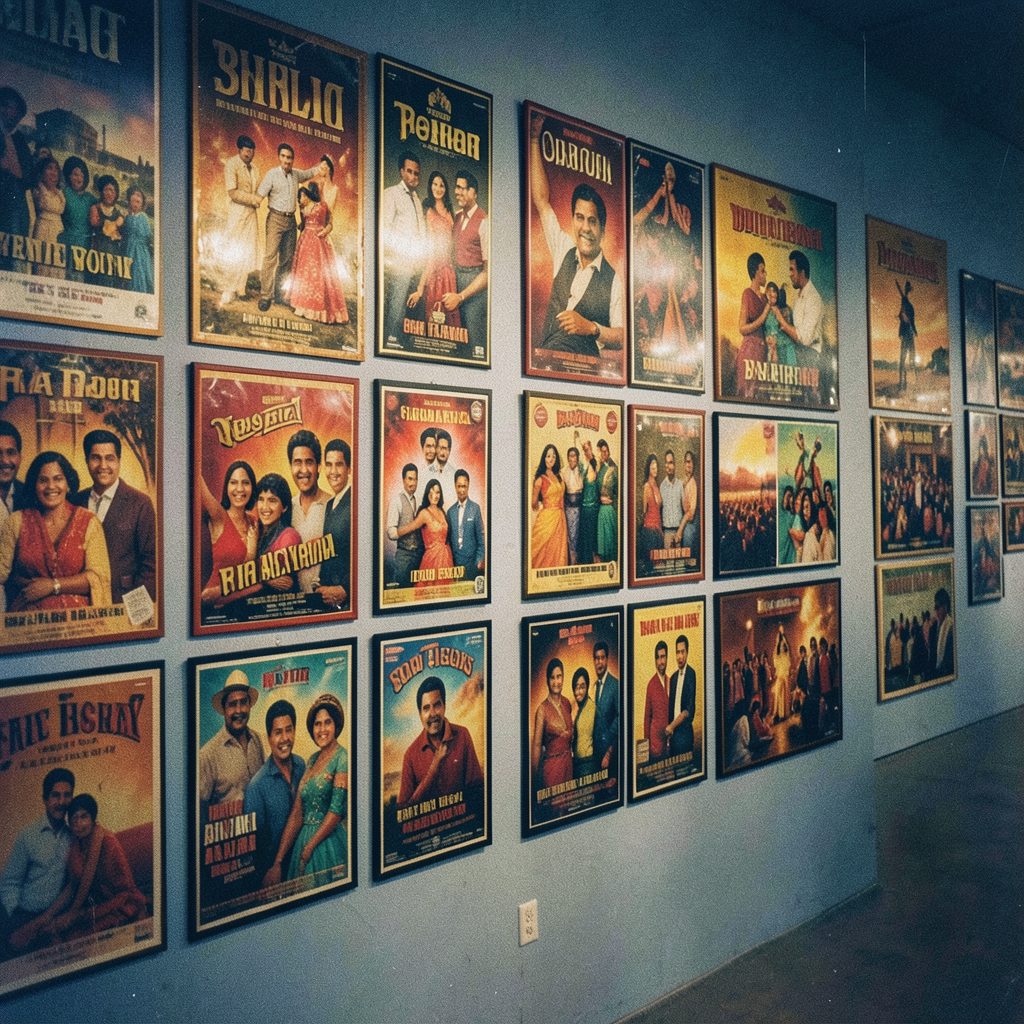

How Bollywood film publicists handle cancel culture today
The public relations machinery behind Hindi cinema has always operated at a fevered pace, churning out magazine covers, set visits and timed interviews weeks before a film's release. What was once handled by a small team of trusted editors is now dispersed across Instagram feeds, YouTube channels, X threads, Reddit forums and TikTok comment sections. When an unguarded remark by a star can trend worldwide within minutes, the job of a film publicist has expanded far beyond planting stories.
Cancel culture has redrawn the playbook for reputation management in Mumbai's film corridors. Audiences now expect apologies, accountability and visible consequences for outdated jokes, political statements or social media missteps. Studios such as Yash Raj Films and Dharma Productions now hire dedicated digital crisis teams who monitor sentiment around the clock.
The shift is particularly visible in Australia, where a substantial Indian diaspora across Sydney, Melbourne, Perth and Brisbane forms one of the largest Bollywood-consuming audiences outside South Asia. The Indian Film Festival of Melbourne has grown into a key promotional stop, while SBS's long-running movie programming continues to broadcast Hindi titles to suburban Australian households. Campaigns are now routinely planned with Australian time zones in mind so trailer drops land when Melbourne audiences are awake and scrolling.
What follows is a look at how publicists are adjusting their strategies, from the smallest indie press notes to the biggest multi-starrer launches, in a climate where a hashtag can rewrite a release calendar overnight.
The shift from star worship to crisis management
For decades, the Bollywood publicity model leaned on the charisma of its lead actors, treating them as near-mythic figures whose private lives stayed largely out of public view. Publicists amplified carefully curated images, pushed fan clubs and arranged tightly controlled media encounters. That architecture assumed goodwill from the audience and a sympathetic press.
That assumption has collapsed. Publicists now prepare crisis binders for every major release, mapping out the worst-case social media storms a film could trigger. Casting announcements are stress-tested against trending hashtags, and old interviews are combed for lines that could be screenshotted and recirculated. Teams working with actors holding politically charged pasts draft holding statements before the first wave of criticism lands, rather than scrambling once the clip has already gone viral.
The same caution extends to Australian press junkets accompanying festival screenings in Melbourne and Sydney. Publicists know that an off-the-cuff remark caught by a local entertainment outlet can travel back to Mumbai within hours through fan accounts and aggregator pages. Interviews on Australian soil now tend to be shorter, more structured and focused on the film rather than the star's personal opinions.
Social media monitoring and early warning systems
Dedicated listening tools have transformed the daily rhythm of a Bollywood publicity team. Platforms such as Sprinklr, Meltwater and Tweet Binder are now standard subscriptions for major production houses, providing real-time sentiment analysis across Hindi, Tamil, Telugu, Urdu and English. A negative spike tied to a song release or a leaked still can be detected within minutes, giving publicists a narrow window to respond before the narrative hardens.
Studios have also built relationships with influencer networks, particularly on Instagram and YouTube, where a single creator with a few hundred thousand followers can move opinion faster than a traditional press conference. Publicists now negotiate with these creators weeks in advance, sharing embargoed content and clarifying boundaries. This kind of seeding was once viewed with suspicion in Hindi cinema, which preferred the loyalty of legacy film magazines, but it has become unavoidable in a fragmented media landscape.
Australia's influencer ecosystem plays a surprisingly large role in this dance. Sydney-based creators of Indian heritage, many of whom grew up watching Bollywood films on SBS during the 1990s, now command substantial followings across both markets. Publicists coordinate with them to ensure that promotional content lands during Australian prime time, often requesting captions that soften politically sensitive material.
The legal tightrope: defamation, privacy, and Australian laws
Hindi film publicists have traditionally navigated Indian defamation law and the informal pressure of industry guilds. The globalised nature of streaming has pulled Australian regulations into the mix. The Australian Classification Board reviews and rates most theatrical and home-video releases, and publicists working on films heading to the Indian Film Festival of Melbourne or local distributors must factor in local sensitivities around violence, drug references and on-screen smoking.
Beyond classification, the Australian Consumer Law enforced by the ACCC places obligations on any marketing material directed at Australian audiences. Trailers that overstate a film's content, misleading celebrity endorsements, or sponsored posts that fail to declare paid partnerships can attract penalties. Publicists have begun including Australian legal review in their standard workflow, particularly when campaigns rely on paid influencer content in Melbourne and Sydney.
Privacy law adds another layer. Australian defamation cases have previously entangled international celebrities, and publicists are wary of any local media appearance that could later be referenced in litigation. This has encouraged a habit of providing written statements rather than live interviews when touring Australia, a small but telling sign of how foreign legal frameworks shape publicity strategy.
Reputational recovery strategies when campaigns falter
Even the best-prepared campaign can unravel, and publicists now treat recovery as a core competency rather than an emergency skill. The first hours after a controversy breaks are scripted in advance: who posts the apology, which outlet gets the exclusive clarification, which social media accounts go quiet to avoid amplifying the story. Teams often pre-write three versions of any statement, ranging from a brief acknowledgment to a longer, more contrite note, depending on how the story evolves.
There has also been a clear move toward philanthropy and visible good works as part of the recovery arc. Stars facing backlash for insensitive remarks are now paired with credible charitable partners, and their publicists ensure the resulting coverage reaches both Indian and diaspora audiences through outlets such as SBS, The Australia Today and Indian Link. The intent is to demonstrate genuine change rather than a one-off photo opportunity.
Local Australian events frequently serve as the soft-launch platform for this rehabilitation. A quiet appearance at a community fundraiser in Western Sydney or a judged slot at IFFM can do more to rebuild trust than a series of posts from a Mumbai office. Publicists have learned that audiences in Australia, accustomed to the measured tone of local entertainment journalism, respond better to sustained action than to dramatic gestures.
Comparing crisis playbooks across industries
A useful way to see the change in Hindi film publicity is to place its current habits alongside the longer-established crisis playbook of Hollywood. The side-by-side view makes the differences in tone, timing and audience expectation easier to grasp, and helps explain why some campaigns land smoothly in Australia while others stumble.
| Aspect | Bollywood publicity | Hollywood publicity |
|---|---|---|
| Statement timing | Often within hours, sometimes before full facts gathered | Usually waits for legal review, can take 24-48 hours |
| Primary channel | Instagram, Twitter, fan clubs, TV interviews | Press statements, trade outlets, late-night TV |
| Tone of apology | Emotional, family-centred, often filmed | Formal, lawyer-approved, often written |
| Use of influencers | Growing rapidly, particularly diaspora creators | Established for a decade, with strict disclosure rules |
| Audience expectations | Loyalty persists longer but falls sharply once broken | Quick to forgive if PR machinery is well-resourced |
| Australian compliance | Recently added, mostly for festivals and streaming | Long-established, especially for theatrical releases |
The contrasts above are not absolute. Many publicists work across both industries, and the rise of Indian production houses with offices in Los Angeles and London has blurred the lines between the two playbooks. Australian promotional tours now frequently mix Bollywood and Hollywood talent, requiring coordinated messaging across press cycles that once operated in separate silos. The shared lesson is that audiences, whether in Mumbai or Melbourne, no longer accept silence as a strategy and reward transparency with continued engagement.
The takeaway from this new era is that Bollywood's publicists are no longer simply selling films. They are selling reliability, accountability and the assurance that a project will not become a reputational hazard for its audience, financiers or stars. Australian viewers, with their strong appetite for Bollywood content through SBS, the Indian Film Festival of Melbourne and a thriving diaspora press, will continue to shape how these campaigns are built. The studios that recognise this audience as a serious market rather than a secondary one are the ones whose releases will arrive without a hashtag already working against them.