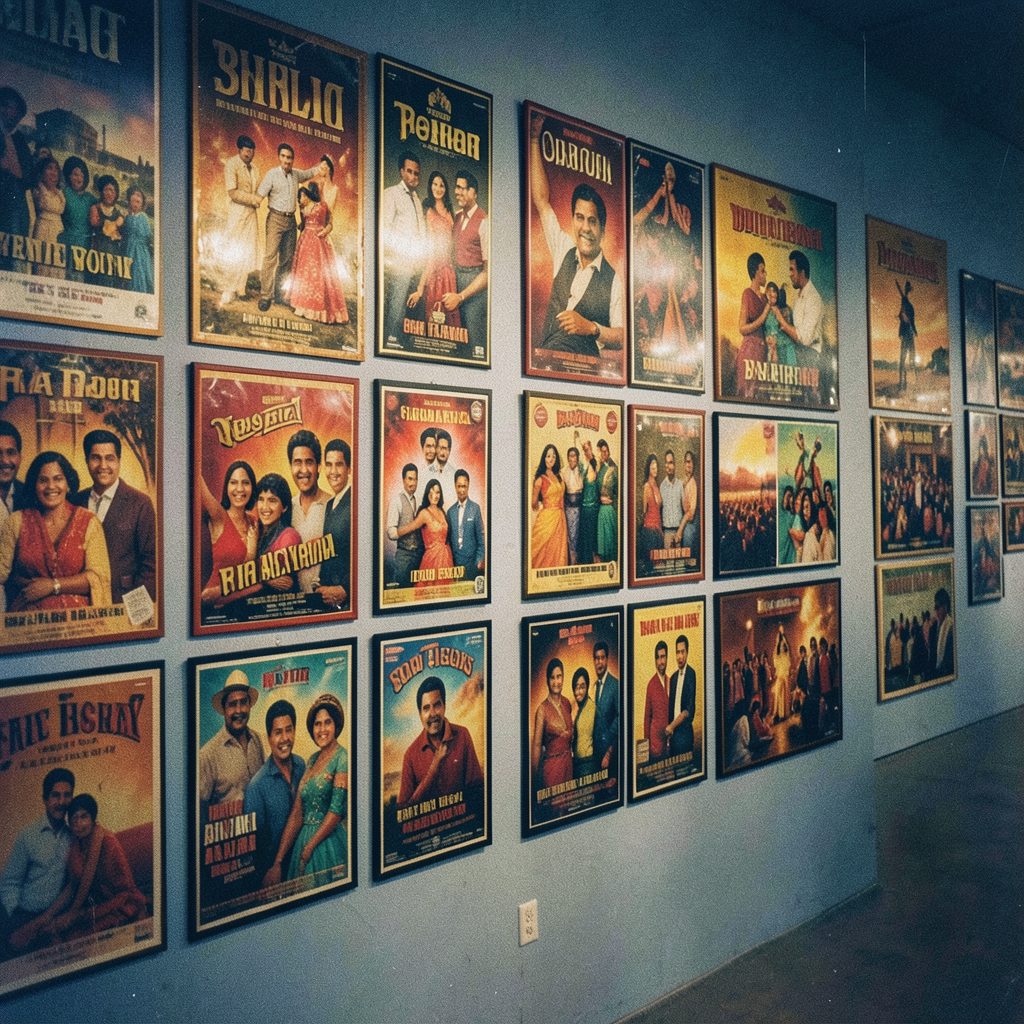

How Bollywood Film Merchandise Is Creating New Revenue Streams
Bollywood has long earned money from theatrical tickets, satellite rights, streaming deals and music licensing. A newer opportunity is emerging around the objects, clothing and digital experiences that allow audiences to keep a film in their lives after the credits roll. From character-led apparel to collectible posters, merchandise is becoming part of a film’s commercial identity.
This shift reflects how Hindi cinema is consumed today. Fans discover films through trailers, songs, social media clips and celebrity fashion before deciding whether to buy a ticket. A memorable prop, catchphrase or costume can therefore become a product with value beyond the screen.
For studios, merchandise offers a way to earn from different audience segments. A fan who cannot attend a theatrical release may still buy a T-shirt, soundtrack vinyl, phone case or limited-edition art print. These purchases can support a film during its release window and continue generating income when it reaches streaming platforms.
The opportunity is especially relevant in Australia, where Indian communities in Sydney, Melbourne, Brisbane and Perth support regular Hindi film screenings and cultural events. International fans often pay a premium for officially licensed products because local availability is limited and imported items can take weeks to arrive.
| Merchandise Route | Primary Audience | Revenue Benefit | Best Timing |
|---|---|---|---|
| Apparel and accessories | Fans and younger audiences | High-volume sales and visibility | Before and during release |
| Posters and collectibles | Dedicated collectors | Higher margins per item | Around theatrical launch |
| Digital goods | Mobile-first audiences | Low production and delivery costs | Trailer and song campaigns |
| Event collaborations | Families and community groups | Shared promotion and ticket uplift | Festivals and special screenings |
| Limited editions | Core fan communities | Scarcity-driven premium pricing | Opening weekend or anniversaries |
From Screen To Shelf
Film merchandise works best when it grows naturally from a movie’s visual world. A superhero costume, a distinctive title logo or a recognisable vehicle can be adapted into clothing, stationery, home décor and accessories. In Hindi cinema, songs and dance sequences also provide strong creative material for posters, tote bags and fashion collaborations.
The strongest products are rarely generic items with a film logo added at the last minute. They capture a specific mood or symbol that audiences already associate with the story. A romantic drama might inspire illustrated keepsakes, while an action film could support replica props, travel gear or rugged streetwear.
Trailers are central to this process because they establish the imagery fans remember first. A thoughtful Baby trailer analysis can reveal which characters, lines and visual motifs are most likely to translate into promotional products. Studios can use that early response to test designs before committing to a large production run.
Products That Travel Beyond The Cinema
The move into merchandise also changes the economics of film marketing. Promotional items can create repeated brand exposure without buying another television spot or digital advertisement. When fans wear a film-themed hoodie in Melbourne or display a poster in a Brisbane flat, the product becomes a small piece of everyday publicity.
Retail partnerships make this reach broader. Indian grocery shops, cultural festivals, cinema foyers and online marketplaces can all become sales channels. In Australia, a product stocked near a Hindi film screening or promoted through a local Indian community event may feel more accessible than an overseas store with expensive shipping.
Useful merchandise categories include:
- Graphic T-shirts, hoodies and caps built around title art or dialogue
- Posters, postcards, art books and premium lobby cards
- Phone covers, laptop sleeves, tote bags and reusable drink bottles
- Replica props, jewellery and costume-inspired accessories
- Soundtrack vinyl, compact discs and signed music memorabilia
A carefully selected range can serve different budgets. Affordable stickers and phone cases encourage impulse purchases, while signed posters and numbered collectibles give serious fans a reason to spend more. Offering both tiers is important in a market where international postage, currency conversion and GST can quickly raise the final price.
Digital Goods And Shared Experiences
Physical products are only one part of the new revenue mix. Digital merchandise can include mobile wallpapers, animated stickers, custom filters, downloadable poster packs and exclusive soundtrack content. These items require little storage and can be sold to fans in countries where shipping physical stock is difficult.
Digital access can also be combined with theatrical promotion. A cinema chain might offer a themed phone background with selected tickets, while a music platform could unlock visual content after a listener streams an official song. This approach connects the film’s marketing campaign with measurable user activity instead of treating merchandise as a separate retail exercise.
Experiential products add another layer by turning fandom into participation:
- Costume pop-ups linked to a film’s songs or characters
- Fan screenings with photo areas, props and themed merchandise
- Dance workshops based on a popular soundtrack
- Limited online drops announced through cast members
- Anniversary events featuring restored footage and collectible packs
These ideas fit naturally with Bollywood’s emphasis on music, spectacle and group celebration. In Australia, a weekend screening paired with a dance workshop could appeal to families, university students and diaspora audiences looking for a social outing rather than a standard cinema visit.
The Australian Market Needs Local Thinking
Australian buyers respond to authenticity and convenience. Official products should show clear pricing in Australian dollars, realistic delivery times and transparent returns policies. A fan in Sydney may be willing to pay for a premium item, but an unexpected international shipping fee can turn a purchase into a poor experience.
Local timing matters as well. Releases that coincide with school holidays, Diwali celebrations or community cultural programs may benefit from family-oriented bundles. Melbourne’s Indian Film Festival, local dance schools and South Asian fashion retailers offer potential points of connection, while cinemas in western Sydney and northern Melbourne can help merchandise reach audiences close to where Hindi films are already popular.
Retailers also need to account for Australian habits. Reusable bottles, tote bags and weather-friendly layers are more practical than products designed only for a narrow season. Gift purchases are important around Diwali, birthdays and weddings, where Bollywood music and fashion already influence celebrations.
Partnerships with Australian creators can make products feel less like imported advertising. A Melbourne illustrator might reinterpret a film poster, or a Sydney dance collective could produce launch content around a song. Such collaborations give studios local cultural relevance while helping independent businesses share in the revenue.
Building A Sustainable Merchandise Model
The main risk is overproduction. Unlicensed sellers may flood marketplaces with poor-quality goods, while official partners can be left with unsold stock when a film underperforms. Smaller initial runs, pre-orders and limited releases allow studios to measure demand before manufacturing at scale.
Licensing agreements must also be clear. Actors, designers, musicians and production companies may have separate rights connected to an image, song, costume or character. Strong contracts protect the brand, establish quality standards and ensure that revenue is distributed fairly among the creative and commercial partners.
Data can improve the process. Trailer views, song streams, search trends and ticket sales can indicate which characters or designs deserve investment. A studio might begin with digital wallpapers and low-cost apparel, then release premium collectibles after identifying the most engaged fan segment.
Film merchandise is becoming a valuable extension of the Hindi cinema business because it turns recognition into ownership. The practical approach is simple: identify the images audiences remember, test affordable products locally, and scale only when real fan demand supports the next release.