How Bollywood Distribution Is Shifting Overseas
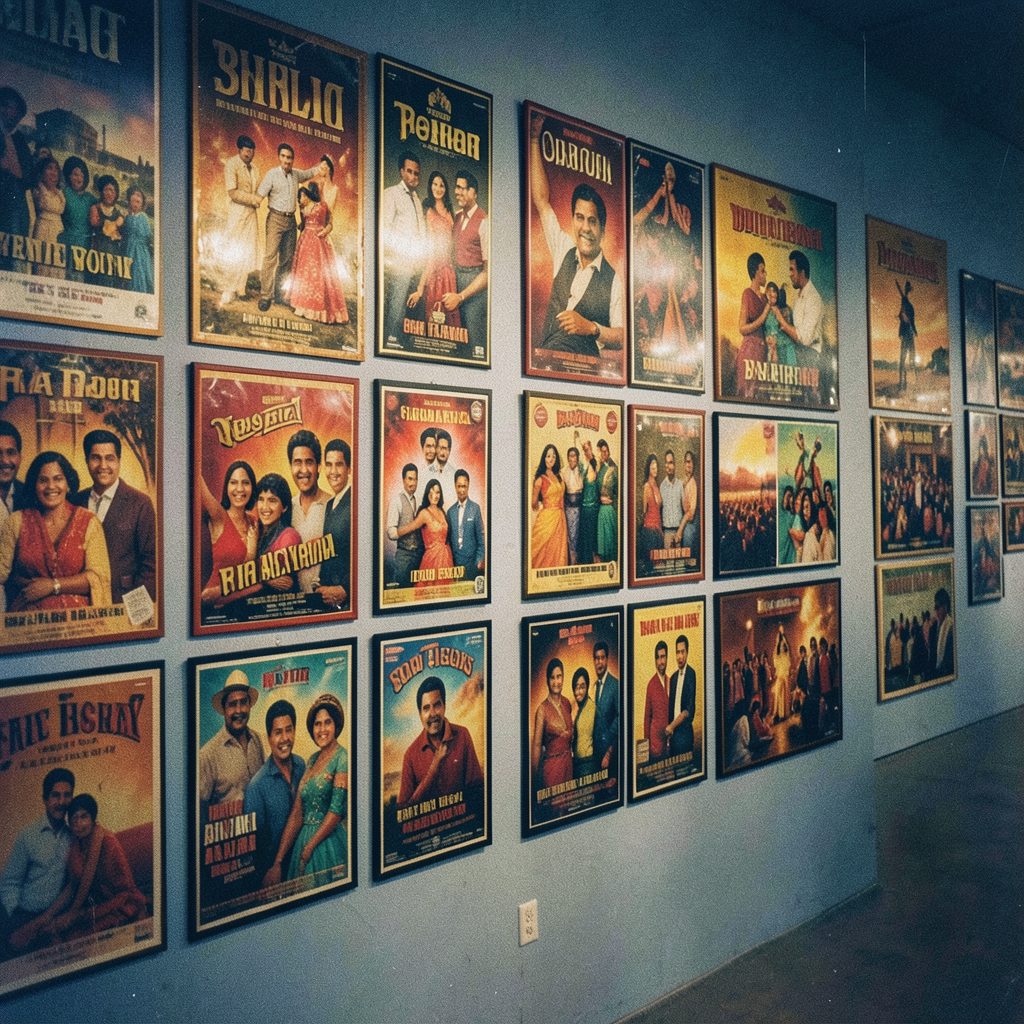
Bollywood’s route from Mumbai to international audiences is being redesigned. A Hindi film may still open with posters, trailers and packed weekend screenings, yet its overseas journey now involves streaming platforms, diaspora marketing, social video, premium formats and carefully negotiated release windows. The result is a distribution system that can be faster, more targeted and less dependent on a traditional cinema rollout.
For Australian viewers, this shift is especially visible. Hindi cinema reaches audiences in Sydney, Melbourne, Brisbane, Perth and Adelaide through multiplexes, specialist distributors, subscription services and digital rentals. The habits of Indian-Australian families, university students and broader film fans are helping shape how studios decide where, when and how a new release should appear.
From overseas prints to platform deals
For decades, international distribution depended heavily on theatrical prints and local territory partners. A distributor acquired rights for Australia, arranged cinema bookings, supplied marketing materials and managed the practical details of subtitles, classification and publicity. That system remains important for major releases, but it is no longer the only route to viewers.
Digital delivery has reduced the need for physical prints and made simultaneous releases easier to coordinate. A production house can now sell theatrical, satellite, music, television and streaming rights separately, sometimes to different companies. Overseas rights are treated as a portfolio rather than a single package, with each territory assessed according to its audience size, language preferences, cinema capacity and likely streaming value.
This has also changed the role of local distributors. They may focus on event screenings, premium formats and community marketing instead of trying to keep a film in cinemas for many weeks. A strong opening in western Sydney or Melbourne’s north can provide useful momentum, while digital availability later captures viewers in regional areas who cannot easily reach a Hindi-language screening.
Australia’s market rewards flexibility
Australia has a valuable but geographically spread audience. Large Indian communities support regular Hindi releases in Sydney and Melbourne, while Brisbane, Perth and Adelaide can deliver strong results when a film has recognisable stars, popular music or a major franchise connection. The distance between cities makes a national theatrical campaign more expensive than a simple population count might suggest.
Cinema scheduling also matters. A release competing for screens with Hollywood blockbusters may receive limited showtimes, particularly outside the biggest metropolitan centres. Distributors must consider school holidays, long weekends and local audience routines, including the appeal of an evening show after work or a relaxed “arvo” screening. Event Cinemas, HOYTS and independent venues can each serve different parts of the audience.
Classification creates another layer of planning. A film needs Australian classification before public exhibition, and its rating can influence whether families choose a screening. Subtitles, dubbed versions and accessibility options can broaden the audience, especially among younger Australian viewers who move comfortably between English and Hindi but may prefer subtitles for dialogue, lyrics or regional accents.
Theatrical, streaming and hybrid release models
Bollywood’s overseas strategy now depends on matching each title with the right combination of channels. A large action film may need a cinema-first launch to protect its visual scale and create social urgency. A relationship drama, documentary or mid-budget thriller may find a more efficient path through a streaming premiere supported by targeted digital publicity.
| Distribution model | Main advantage | Common limitation | Australian opportunity |
|---|---|---|---|
| Cinema-first release | Builds event value and box office visibility | Depends on screens, timing and local promotion | Strong for star-led films in major cities |
| Streaming premiere | Reaches viewers across the country quickly | Can reduce urgency around a cinema visit | Useful for regional audiences and niche genres |
| Hybrid release | Combines theatrical prestige with digital reach | Rights negotiations can become complex | Suits films with both fan and family audiences |
| Festival or limited run | Creates cultural attention and critical interest | Smaller audience and short booking period | Effective for independent and prestige Hindi films |
| Direct digital rental | Offers flexible access without a subscription | Requires strong awareness and payment willingness | Helpful after a short theatrical window |
Hybrid releases are becoming particularly useful in Australia. A distributor may open a film in selected Sydney and Melbourne cinemas, expand if the first weekend is strong, then move quickly to a rental platform. This approach recognises that an audience in Perth or regional New South Wales should not have to wait months simply because a film had a limited initial booking.
Music and social media now sell the release
Songs have always been a major part of Bollywood promotion, but their distribution role has expanded. A soundtrack can build recognition weeks before a trailer reveals the story, while short clips on Instagram, YouTube and TikTok can turn a chorus or dance sequence into an international discovery tool. For audiences who may not follow every film announcement, a song can be the first point of contact.
That makes music coverage a meaningful part of overseas release strategy. Fans tracking new singles, remixes and film albums can find updates through Bollywood music coverage, then encounter trailers, posters and cinema information through the same wider entertainment ecosystem. In Australia, this is especially useful for younger audiences who discover Hindi films through playlists and social feeds rather than newspaper advertising.
Promotional campaigns are also becoming more localised. Australian cast appearances, community events, university screenings and partnerships with Indian grocery chains or radio stations can make a release feel relevant beyond a generic global campaign. A trailer may be the same worldwide, but the timing of paid ads, influencer content and ticket links can be adjusted for Australian time zones and city-by-city demand.
Rights are being divided into smaller windows
The international rights market is becoming more detailed. A studio may sell Australian theatrical rights to one distributor, digital rights to another platform and music rights to a separate label. Television premieres, airline entertainment and free-to-air licensing can follow later. This division allows producers to recover value from different audiences, though it can make release dates and availability harder for fans to follow.
The traditional cinema-to-streaming gap is also under pressure. Viewers are used to quick access, and piracy becomes a greater risk when an official release is delayed in one territory. At the same time, a film needs enough exclusivity to justify cinema ticket prices. Distributors are therefore testing shorter windows, premium digital rentals and staggered releases that preserve opening-weekend attention without leaving overseas fans behind.
For Australian audiences, a clear rights strategy is essential. A film advertised on social media may be unavailable on the platform a viewer already uses, or may arrive with different subtitles and rental terms. Reliable local listings, accurate release calendars and transparent platform information are becoming part of the distribution experience rather than simple editorial extras.
Recommendations for a stronger overseas rollout
The most effective campaigns will combine local knowledge with international scale. A Hindi film does not need the same release plan in every country, and Australia’s dispersed cities, classification process and varied viewing habits call for practical adjustments.
- Start with a city-level assessment of Indian-Australian audiences and available cinema screens.
- Coordinate theatrical, streaming and digital rental dates so viewers are not left guessing.
- Use songs, short-form video and subtitled clips to reach bilingual and younger audiences.
- Schedule publicity around Australian school holidays, long weekends and major competing releases.
- Provide clear information about classification, subtitles, dubbed versions and accessible screenings.
- Support regional viewers with legitimate digital access soon after the initial cinema window.
- Measure interest through ticket presales, trailer engagement and soundtrack performance before expanding.
These decisions can also improve the experience for casual viewers who are curious about Hindi cinema but do not belong to an established fan community. A well-timed trailer, an accessible subtitle option and a convenient legal platform can turn a single star vehicle into a broader cultural hit.
What the next release cycle may bring
The future of Bollywood’s film distribution models in overseas markets will probably be less about choosing cinema or streaming and more about combining both intelligently. Big-budget spectacles will continue to seek the atmosphere and revenue of a theatrical opening, while smaller titles can use platforms, festivals and targeted campaigns to find their audience without carrying the cost of a nationwide cinema booking.
Australia is likely to remain an important testing ground because it offers a strong diaspora base, sophisticated cinema infrastructure and viewers comfortable with international streaming. The winning strategy will be flexible: open with an event where demand is concentrated, communicate clearly across cities, and make the film legally available before interest fades.
For the next major Hindi release, Australian viewers should check the local classification, cinema listings and confirmed digital platforms together rather than relying on a single global release announcement.