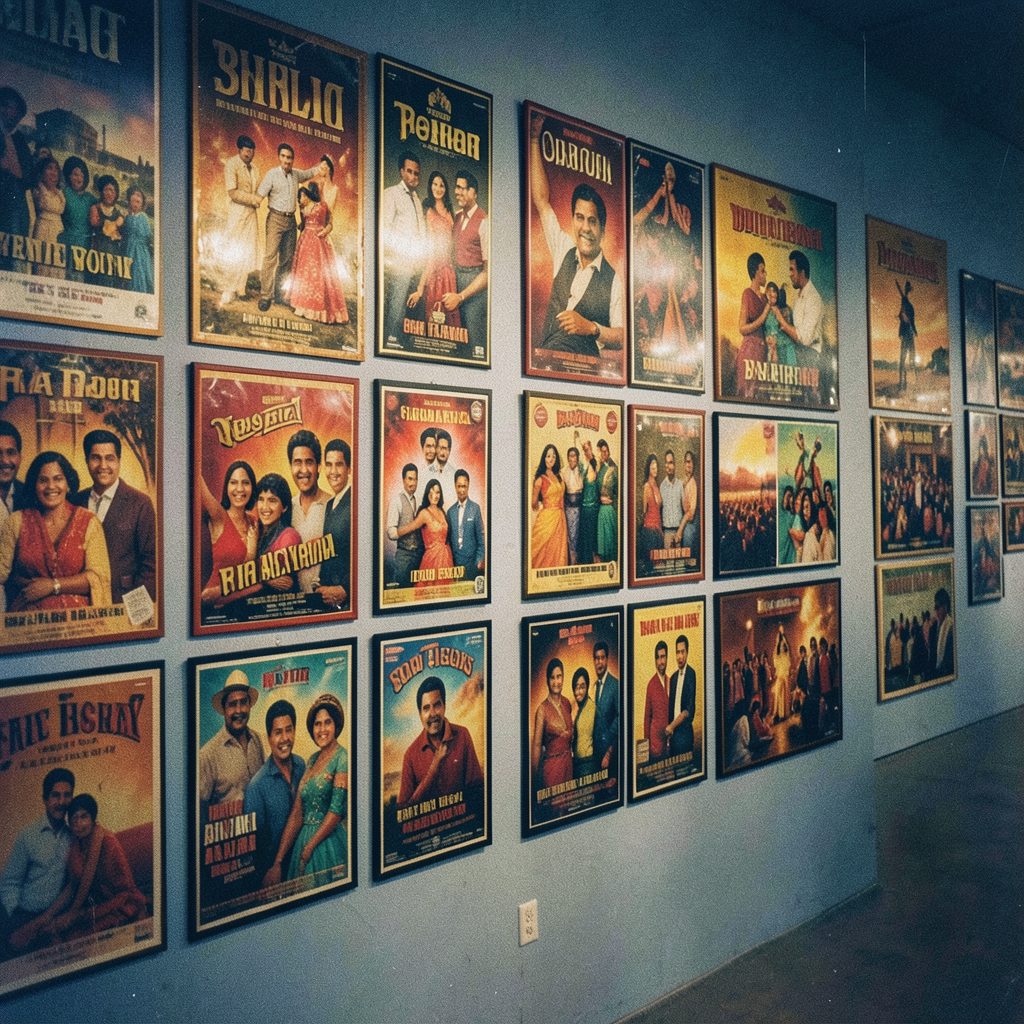

Bollywood background score composers step into the spotlight
For decades, Bollywood conversations about film music centred on the singers, lyricists and music directors who produced the songs. The musicians crafting the underscore, the tense strings beneath a chase, the soft piano over a farewell, often went unnamed in the average viewer's memory. That imbalance is shifting quickly, as a new generation of background score composers finds its way into award nominations, streaming playlists, on-stage interviews and dedicated fan pages.
The change is partly technological. Streaming platforms now separate original score from soundtrack in their metadata, and recommender systems push instrumental tracks to listeners who linger on a film's final scene. Critics writing for trade publications and fan blogs have started naming the composers in their opening paragraphs instead of tucking the credit at the end. Audiences in Australia, where the Indian diaspora turns up in force at suburban cinemas from Harris Park to Glen Waverley, are picking up on the trend through festival Q&As and post-screening panels.
A wider cultural appetite for instrumental music, fuelled by study playlists and cinematic reels, has also helped. Composers who once laboured behind the curtain are releasing solo albums, headlining concerts and answering fan mail directly. The result feels less like a passing moment and more like a long-overdue correction in how Hindi cinema credits the people who shape its mood.
The evolution of film music credits in Hindi cinema
In the golden era of Hindi film music, the music director was king, and the background score was a craft credit rather than a brand. Names like Naushad, Madan Mohan and later R.D. Burman built reputations through songs, while orchestral arrangers and assistants often handled the score under a single banner. The soundtrack album drove radio play and cassette sales, so the songs dominated the conversation by default.
That began to shift in the 2000s, as productions grew more ambitious and directors started treating the underscore as an emotional engine rather than incidental noise. Composers such as A.R. Rahman, Ajay-Atul and Pritam began receiving festival honours for instrumental work, and a handful of projects, including Lagaan, Rang De Basanti and the Gangs of Wasseypur duology, made the score itself a talking point. Critics and cinephiles started naming the music team in print, and film schools began treating background scoring as a standalone discipline.
Today's workflow is more fragmented. A single film might involve a song composer, a separate score composer, an additional cues writer and a sound design team, each with their own contract and credit block. This granular billing has made it easier for audiences to track who did what, and it has given composers a clear path to public recognition. Coverage from the Wassupbollywood editorial team regularly separates song and score coverage, reinforcing the idea that the underscore is its own art form.
Awards and festival validation
Award functions have done some of the heaviest lifting in elevating background score composers. The Filmfare Awards introduced a dedicated background score category decades ago, but the telecast rarely lingered on the winners, and tune-heavy popular films still swept the night. More recently, the IIFA, Zee Cine and Mirchi Music Awards have tightened their technical categories, with separate honours for background score, sound design and original soundtrack.
International recognition has also accelerated the change. Indian background score composers are increasingly being submitted for the Academy Awards' Original Score category, with film federations promoting their work through official entries. Composer nominations at Cannes, Berlin and the Asian Film Awards have introduced these names to global programmers who previously focused only on songs.
For Australian viewers, the validation is visible closer to home. The Indian Film Festival of Melbourne and the Indian Film Festival of Sydney now include panels on film music, and local screenings at venues like Sydney's Dendy Newtown or Melbourne's Cinema Nova regularly draw crowds curious about how a particular film sounds as well as how it looks. Festival programmers have begun spotlighting composers alongside directors in Q&As, giving audiences a chance to put a face and a voice to the music.
Streaming era visibility and listener data
The shift to streaming has reshaped how background score composers reach audiences. Platforms such as Spotify, Apple Music, JioSaavn and Wynk Music now tag score albums separately, and many listeners actively seek out instrumental tracks after watching a film. Curator playlists dedicated to cinematic instrumental, Hindi film score and orchestral Bollywood drive discovery, and listener data shows that score plays have grown faster than song plays in several overseas markets.
For the composers themselves, the streaming dashboard has become a quiet confidence booster. They can see which cues were saved, replayed and added to listener libraries, and they can pitch follow-up solo releases to their label with hard numbers in hand. Several composers have signed deals for instrumental EPs that drop alongside the film, blurring the line between film work and personal catalogue.
How different platforms handle this differs in ways that affect composer visibility:
| Platform | Score tagging | Hindi-language playlists | Analytics shared with labels |
|---|---|---|---|
| Spotify | Separated from soundtrack | Multiple curator-led lists | City and time-zone level |
| Apple Music | Separated, with full credits | Smaller Hindi focus | Aggregated iTunes charts |
| JioSaavn | Native, Hindi-first tagging | Extensive regional coverage | Limited Australian data |
| YouTube Music | Often grouped with soundtrack | Limited dedicated lists | Strong live concert data |
Australian fans have started showing up in the data. Time-zone patterns reveal listen spikes in Sydney and Melbourne on weekend evenings, often coinciding with new film releases on streaming. Local dance schools in areas like Parramatta and Box Hill, which already run popular Bollywood choreography classes, sometimes use contemporary score cues for their recital pieces, keeping the music in regular rotation outside the cinema.
International crossover and cross-cultural audiences
Cross-cultural projects have given Indian background score composers a louder international voice. Hollywood assignments, joint productions with Korean and Japanese studios, and Western series filmed partly in Mumbai have all relied on Indian composers for their underscore. Names like A.R. Rahman, M.M. Keeravani and Aishwarya Raghunath have carried Indian sensibilities into global productions, and the credits have travelled with them.
Touring has widened the circle. Indian film music concerts in Australia, including IFFM closing nights and arena tours that visit Rod Laver Arena and Qudos Bank Arena, now feature live medleys of both songs and scores. Audiences who turn up for the dance numbers often stay for the cinematic suites, and the standing ovations are a clear signal that the underscore has its own following.
Local press has caught up as well. Weekend cultural sections in The Sydney Morning Herald and The Age have profiled visiting composers during festival season, and ABC Classic has programmed Indian film score tracks alongside Western classical favourites. These small editorial placements have helped composers feel less like a footnote and more like headline material.
Composers as personal brands
Composer branding has become its own discipline. Many background score creators now maintain a public social media presence, share demo reels on YouTube, release behind-the-scenes breakdowns of their cues, and run newsletters that explain their process in plain language. Fans welcome the transparency, and younger listeners are happy to follow a composer in the same way they follow a singer.
The branding has also opened up side income streams. Composers score short films, indie games and advertisements, and they license cues to dance academies, fitness studios and content creators. In Australia, that has translated into collaborations with local creators on Instagram and TikTok who use licensed cues for short-form videos, which in turn drives new listeners back to the original film album.
A few names have even become quiz answers at Indian trivia nights in suburban pubs around Brisbane and Perth. That kind of cultural footprint, where the composer rather than the singer is the answer, would have been unthinkable a generation ago.
Industry press, trade coverage and fan communities
Trade publications, long dominated by song release news and box office gossip, have started devoting real column space to score breakdowns. Magazine features now include sit-down interviews with composers, technical breakdowns of orchestration choices and gear spotlights. Fan communities on Reddit, Discord and dedicated Telegram groups swap recommendations of standout cues from new releases, often with timestamps and emotional context.
This kind of granular coverage has changed the conversation. When a fan says they loved the tense strings in a particular chase sequence, the credit now appears at the top of the article, not buried at the bottom. Sites that cover Bollywood releases in detail treat the score as a separate beat rather than a footnote, and the shift has made it easier for new listeners to discover names and follow them project to project.
Ways to follow background score composers
- Build a Spotify or Apple Music playlist focused on Hindi film score tracks, and add composers you discover one at a time.
- Watch Indian Film Festival of Melbourne and Sydney lineups for music-focused panels and live performances.
- Subscribe to a composer's YouTube channel for cue breakdowns, demo reels and live concert footage.
- Follow trade publications and entertainment sites that separate score coverage from song coverage in their sections.
- Attend arena concerts at venues such as Qudos Bank Arena or Rod Laver Arena and stay for the cinematic suite sections.
- Join an online community, such as a Reddit or Discord group, where members share and discuss standout cues weekly.
The simplest next step is to start a single dedicated playlist this weekend with three Hindi film score tracks you have not heard before, set it to shuffle on your morning commute, and note which composer credits repeat across those cues so you have a starting shortlist for deeper listening in the weeks ahead.