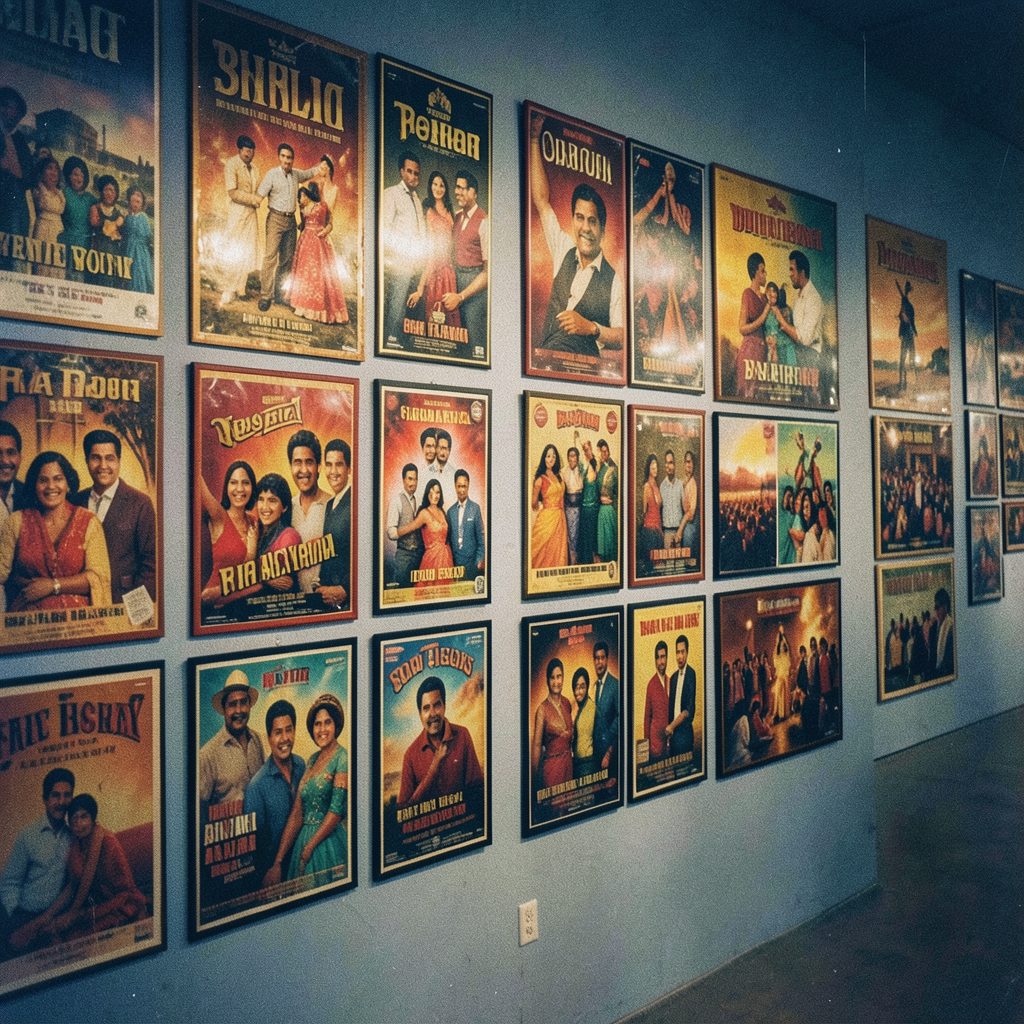

Bollywood’s Most Iconic Ringtone Songs Before Smartphones
Before streaming apps and personalized notification sounds, a Bollywood song could travel through a city as a tinny monophonic melody. Mobile phones were simpler, but their ringtones became small declarations of taste. A familiar tune from a Hindi film might announce a call in a classroom, office, railway compartment, or crowded market.
The ringtone era gave film music a new kind of public life. Songs were no longer heard only in theatres, on television countdowns, or through cassettes and CDs. They became part of everyday communication, often reduced to a recognizable hook that had to work within a few seconds.
That shift helped romantic ballads, dance numbers, devotional tracks, and comic themes reach listeners who might never have bought the full soundtrack. For Bollywood fans, these melodies remain tied to the early mobile-phone years, when downloading a caller tune or composing a ringtone felt like a personal style choice.
When Film Songs Became Mobile Identity
In the late 1990s and early 2000s, mobile phones moved from executive accessories toward mass-market devices. Their limited storage and basic speakers shaped how music was consumed. A ringtone had to be brief, catchy, and instantly identifiable, which made the opening line or instrumental refrain especially valuable.
Bollywood was perfectly suited to this format. Hindi film songs often contain strong melodic signatures, dramatic vocal entries, and hooks designed to stay in the memory. Even listeners who did not know every lyric could recognize a few notes from a popular release.
The ringtone also became a social signal. Choosing a soft love song suggested a romantic mood, while a high-energy dance tune could project confidence or mischief. Some users changed tones according to the caller, creating a primitive version of the personalized sound profiles now available on smartphones.
The Melodies That Ruled Basic Phones
Several songs became especially powerful as ringtone downloads because their hooks survived heavy compression. “Pehla Nasha” from Jo Jeeta Wohi Sikandar carried a dreamy, instantly recognizable melody, while “Kaho Naa… Pyaar Hai” offered a polished romantic sound that matched the optimism of the new millennium.
“Kal Ho Naa Ho” became another defining choice. Its central refrain was emotionally direct and easy to identify, even when played through the tiny speaker of a feature phone. The song’s popularity also reflected the way film music and emotional messaging overlapped: receiving a call could feel like a cinematic moment.
Dance tracks had equal influence. “You Are My Soniya” from Kabhi Khushi Kabhie Gham, “It’s the Time to Disco,” and “Kajra Re” were popular because their rhythmic openings created an immediate burst of energy. Their ringtone versions often sounded compressed, yet the beat remained clear enough to turn an ordinary call into a miniature music cue.
A Soundtrack Of the Pre-Smartphone Years
The most memorable mobile melodies came from several waves of Hindi cinema. Older songs were revived through ringtone catalogs, while new releases competed for attention alongside remixes and album singles. This made the ringtone market a bridge between generations of film music.
| Song | Film | Ringtone Appeal | Musical Mood |
|---|---|---|---|
| Pehla Nasha | Jo Jeeta Wohi Sikandar | Dreamy opening melody | Romantic |
| Kaho Naa… Pyaar Hai | Kaho Naa… Pyaar Hai | Instantly recognizable refrain | Tender and hopeful |
| Kal Ho Naa Ho | Kal Ho Naa Ho | Strong emotional hook | Reflective |
| You Are My Soniya | Kabhi Khushi Kabhie Gham | Energetic chorus | Celebratory |
| Kajra Re | Bunty Aur Babli | Memorable rhythmic phrase | Playful and glamorous |
| Dhoom Machale | Dhoom | Driving vocal and beat | High-energy |
| Mauja Hi Mauja | Jab We Met | Festive dance rhythm | Joyful |
“Dhoom Machale” represented a different kind of ringtone success. Its title phrase worked almost like an audio logo for the Dhoom franchise, making it effective as a short alert even when listeners heard only a few seconds. “Mauja Hi Mauja” later brought Punjabi-flavored celebration into the same space, proving that a ringtone could be loud, regional, and exuberant.
For broader Hindi cinema updates, Wassup Bollywood follows the continuing relationship between film releases, music trends, celebrity culture, and fan behavior. That connection matters because ringtone popularity was always linked to the larger promotional machinery of Bollywood.
Why Romantic Songs Dominated
Romantic songs had a natural advantage in the mobile era. A caller tune or ringtone could express feelings indirectly, giving users a way to perform personality without saying anything. A gentle refrain from a Shah Rukh Khan film or a melodious track featuring Rani Mukerji could communicate nostalgia, affection, or youthful longing.
Songs such as “Tum Se Hi” from Jab We Met and “Tujh Mein Rab Dikhta Hai” from Rab Ne Bana Di Jodi worked well because their melodies were recognizable even without elaborate arrangement. Their vocal lines remained prominent when converted into low-quality audio files.
The emotional association also helped these ringtones endure. A particular melody might recall a college friendship, a first mobile phone, or a period when text messages and missed calls were central to daily communication. The sound became a memory trigger rather than a simple alert.
Caller Tunes, Remixes, And Musical Customization
The pre-smartphone period was not limited to downloaded ringtones. Telecom companies introduced caller tunes that played a selected song to anyone making a call. This shifted the experience from personal notification to public self-presentation, since the chosen track was heard by friends, relatives, and colleagues.
Remixes played an important role in this ecosystem. A familiar Bollywood chorus could be repackaged with electronic beats, synthesized instruments, or a faster tempo. The result was sometimes musically distant from the film version, yet it often performed better on basic phones because its strongest rhythmic elements cut through weak speakers.
- Choose a hook that remains recognizable after compression.
- Keep vocal lines clear instead of relying on dense orchestration.
- Match the ringtone’s mood to the kind of calls you receive most often.
- Consider instrumental versions when lyrics may feel too personal in public.
- Treat older film melodies as part of Bollywood’s wider musical history.
These habits explain why the ringtone era favored songs with clean openings and powerful choruses. A listener did not need the entire composition; a few seconds could establish the identity of the movie, singer, actor, or music director.
The Lasting Cultural Memory Of Ringtone Songs
Smartphones changed the scale of music access, but they did not erase the emotional imprint of older mobile sounds. Today, listeners can select high-fidelity clips, viral audio, podcast excerpts, and custom recordings. The technical possibilities are greater, yet the basic desire remains familiar: a phone sound should say something about the person carrying it.
Many pre-smartphone ringtone songs also survive through nostalgia playlists, retro Bollywood videos, social media edits, and film anniversary coverage. Their compact hooks are especially suited to short-form content, where recognition within the first few seconds still determines whether an audio clip captures attention.
The period also strengthened the idea that a film song could exist beyond its movie. A ringtone detached the melody from plot, choreography, and screen imagery, allowing it to function as a personal emblem. That transformation helped make Bollywood music part of the soundscape of everyday life.
The next time an old Hindi film melody appears in a retro playlist, listen for the section that once rang from countless basic phones. Add that hook to a personal playlist, revisit the film soundtrack, and share the memory with fellow Bollywood fans—the smallest ringtone can carry an entire era of cinema.