
Bollywood’s Most Iconic Father-Son Films And Their Legacy
Few relationships in Hindi cinema carry the emotional weight of a father and son standing across a generation gap. Their conflicts often express larger ideas about duty, ambition, masculinity, inheritance, and forgiveness. When the actors are related in real life, that emotional charge becomes even more compelling for audiences.
Bollywood has repeatedly used father-son stories to reflect changing India. The stern patriarch of one decade may give way to a wounded, affectionate, or morally uncertain father in the next. Likewise, the son has evolved from a rebellious heir into an independent figure negotiating family expectations and personal identity.
Some films are remembered for their dramatic confrontations, while others endure because they capture warmth, rivalry, and shared screen presence. These performances have created a rich tradition of family dramas, multigenerational entertainers, and father-son pairings that continue to influence Hindi cinema.
Why Father-Son Stories Remain Powerful
The father-son relationship is an ideal dramatic engine because it combines love with authority. A son may want approval but reject the values represented by his father. A father may believe he is protecting the family while unknowingly limiting his child. That tension gives even familiar stories a strong emotional foundation.
Classic Bollywood often presented the father as a symbol of law, tradition, or sacrifice. The son represented rebellion, modernity, or social anger. In later films, the roles became more layered. Fathers could be vulnerable, flawed, or emotionally distant, while sons were expected to understand family burdens without losing their individuality.
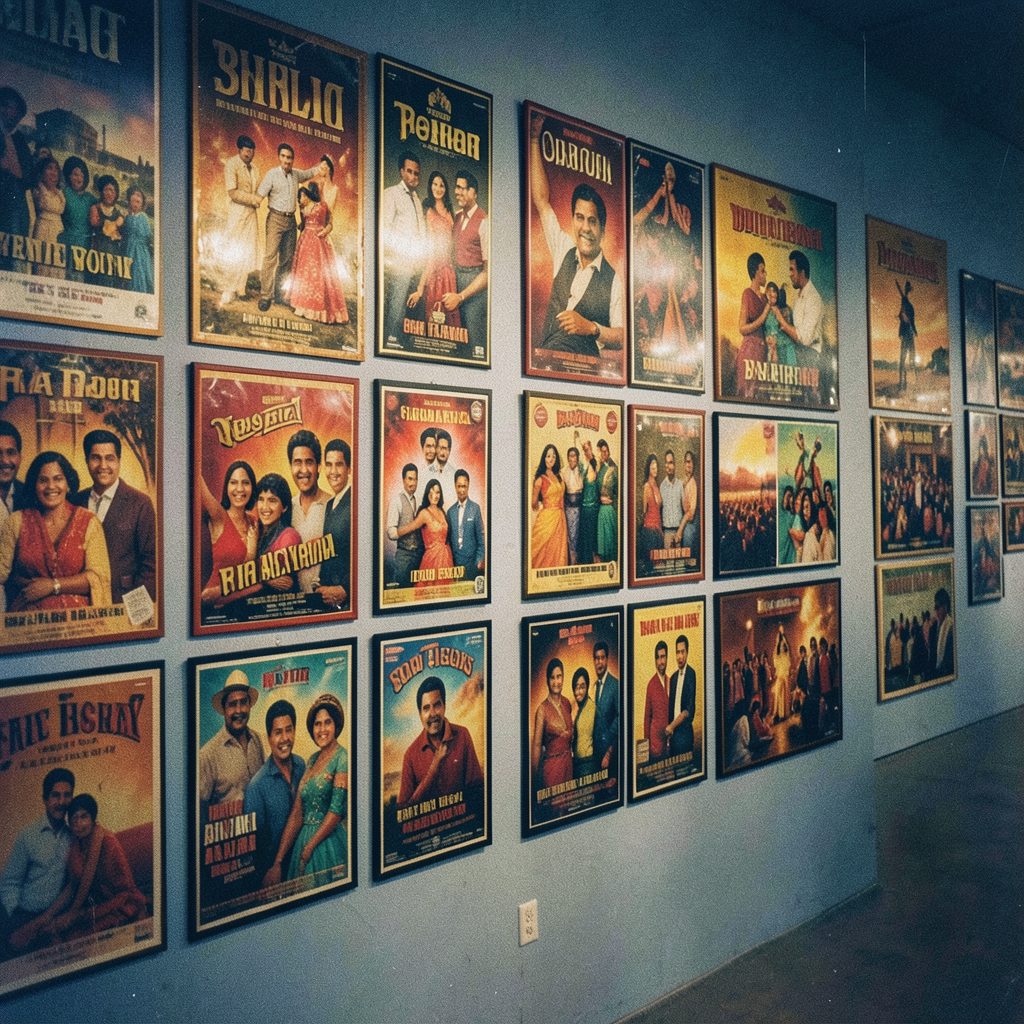
This dynamic explains why films such as Deewaar, Shakti, Kabhi Khushi Kabhie Gham, and Apne continue to attract discussion. Their songs, dialogues, posters, and dramatic confrontations remain part of popular culture because the family conflict feels personal even when the story is heightened.
Amitabh Bachchan And Abhishek Bachchan
Amitabh Bachchan and Abhishek Bachchan created one of Hindi cinema’s most recognizable real-life father-son screen partnerships through Sarkar and Sarkar Raj. Directed by Ram Gopal Varma, the films placed them inside a powerful political family shaped by loyalty, violence, and succession.
In Sarkar, Amitabh’s commanding presence as Subhash Nagre establishes a father who controls his world through instinct and authority. Abhishek’s Shankar begins as a younger man outside that power structure but gradually becomes part of it. The appeal lies in their restrained performances: silences, glances, and measured exchanges often communicate more than loud confrontations.
Sarkar Raj expanded their dynamic by making succession a more explicit concern. The films did not depend on sentimental scenes to sell their relationship. Instead, they explored how a son inherits not just a name, but also enemies, responsibilities, and moral compromises. Their pairing remains a major example of star legacy becoming part of the story itself.
Dharmendra And Sunny Deol’s Emotional Legacy
Dharmendra and Sunny Deol brought a different energy to father-son cinema. Their most prominent collaboration, Apne, centered on a former boxer who wants his son to revive a dream damaged by disgrace and disappointment. The sports drama worked because the conflict was deeply emotional rather than purely competitive.
Dharmendra played the father with wounded pride, while Sunny gave the son a combination of physical force and emotional restraint. Their performances reflected the Deol family’s established screen identity: strength, honor, loyalty, and an instinctive connection with working-class audiences.
The pair later appeared together in the Yamla Pagla Deewana films, which shifted toward comedy and family entertainment. These movies showed that a father-son partnership could work outside solemn melodrama. Their shared timing, familiar mannerisms, and relaxed chemistry gave the films a celebratory quality that appealed to fans of the Deol family.
Rishi Kapoor And Ranbir Kapoor Across Generations
Rishi Kapoor and Ranbir Kapoor offered a more modern version of the real-life father-son pairing. They appeared together in Besharam, where Rishi and Neetu Kapoor played the parents of Ranbir’s character. The film was a mainstream comedy-action vehicle, yet its casting carried an additional layer for viewers familiar with the Kapoor family history.
The Kapoor name has been woven into Hindi film culture for generations. Raj Kapoor’s Kal Aaj Aur Kal, featuring three generations of the family, remains especially significant because it turned the idea of cinematic inheritance into the film’s central attraction. The movie brought Prithviraj Kapoor, Raj Kapoor, and Randhir Kapoor together in a story about generational misunderstandings.
Rishi and Ranbir represented a later phase of that legacy. Rishi’s career moved from romantic leading man to character actor, while Ranbir emerged as a new-generation star capable of romance, comedy, and troubled dramatic roles. Their collaborations reflected how Bollywood families adapt to changing genres and audience expectations.
Screen Fathers Who Defined Hindi Cinema
Some of the most influential father-son films do not feature real-life relatives. Their power comes from the actors’ ability to make the relationship convincing within the fictional world. Amitabh Bachchan and Shashi Kapoor’s scenes in Deewaar remain central to this tradition, even though their characters are brothers rather than father and son; the film’s family conflict helped shape later stories about fractured male relationships.
Shakti, starring Dilip Kumar and Amitabh Bachchan, is one of the clearest examples of a fictional father-son confrontation. Dilip Kumar’s police officer represents duty and institutional law, while Amitabh’s son is pulled toward crime and resentment. The film refuses to make either character completely simple, allowing affection and ideological conflict to exist together.
Other films used a softer emotional register. In Kabhi Khushi Kabhie Gham, Amitabh Bachchan and Shah Rukh Khan portrayed a father and adopted son separated by pride and class expectations. Their reunion turned family reconciliation into a grand cinematic event. The film’s music, wedding imagery, and emotional dialogue helped make the relationship accessible to a broad family audience.
| Film | On-Screen Pairing | Central Conflict | Lasting Impact |
|---|---|---|---|
| Sarkar | Amitabh Bachchan and Abhishek Bachchan | Power and succession | Recast the father-son partnership as a political crime drama |
| Apne | Dharmendra and Sunny Deol | Redemption through boxing | Combined family emotion with sports drama |
| Besharam | Rishi Kapoor and Ranbir Kapoor | Family comedy and generational contrast | Showed a legacy pairing in a contemporary commercial film |
| Shakti | Dilip Kumar and Amitabh Bachchan | Duty versus rebellion | Established the father-son clash as serious social drama |
| Kabhi Khushi Kabhie Gham | Amitabh Bachchan and Shah Rukh Khan | Pride, adoption, and reconciliation | Made family reunion a major popular-cinema spectacle |
| Kal Aaj Aur Kal | Prithviraj, Raj, and Randhir Kapoor | Three generations in conflict | Turned film lineage into the story’s defining feature |
From Family Legacy To Modern Audience Appeal
The legacy of these films can be seen in the way Bollywood continues to market stories around families, inherited identities, and intergenerational emotion. Producers understand that familiar stars can create trust, while younger performers bring freshness. When both appear together, the film becomes an event with significance beyond its plot.
This appeal is especially relevant as theatrical cinema seeks stories that encourage group viewing. As discussed in reporting on family audiences, shared emotional experiences can help selected releases stand out in a crowded entertainment market. A father-son film naturally offers multiple points of identification for parents, children, and longtime fans.
Modern filmmakers are also questioning the old image of the unquestionable patriarch. Newer stories are more likely to show fathers apologizing, sons setting boundaries, and families rebuilding trust rather than simply restoring hierarchy. The emotional core remains familiar, but the language of family has become more flexible.
Films Worth Revisiting
For viewers exploring this tradition, the following choices offer different shades of the father-son relationship:
- Sarkar for controlled performances, political intrigue, and the question of inherited power.
- Apne for its combination of sports drama, paternal expectations, and emotional redemption.
- Shakti for a serious conflict between duty-bound authority and a son shaped by resentment.
- Kabhi Khushi Kabhie Gham for its lavish treatment of separation, adoption, and reconciliation.
- Kal Aaj Aur Kal for a rare cinematic portrait of three Kapoor generations sharing one narrative space.
A Legacy That Keeps Evolving
Bollywood’s greatest father-son films endure because they speak about more than bloodlines. They explore the need to be recognized by a parent, the fear of repeating a family’s mistakes, and the pressure of carrying a famous name. Whether the pairing is real or fictional, the best performances turn these private emotions into memorable popular cinema.
The tradition also gives audiences a way to watch Hindi film history unfold. From Prithviraj Kapoor to Raj Kapoor, from Dilip Kumar to Amitabh Bachchan, and from Dharmendra to the newer generation, each pairing reflects its era’s ideas about masculinity, success, family, and social responsibility.
Explore Wassupbollywood’s film reviews, celebrity updates, release coverage, posters, and nostalgia-led Bollywood features to revisit these performances and discover the father-son stories shaping Hindi cinema today.