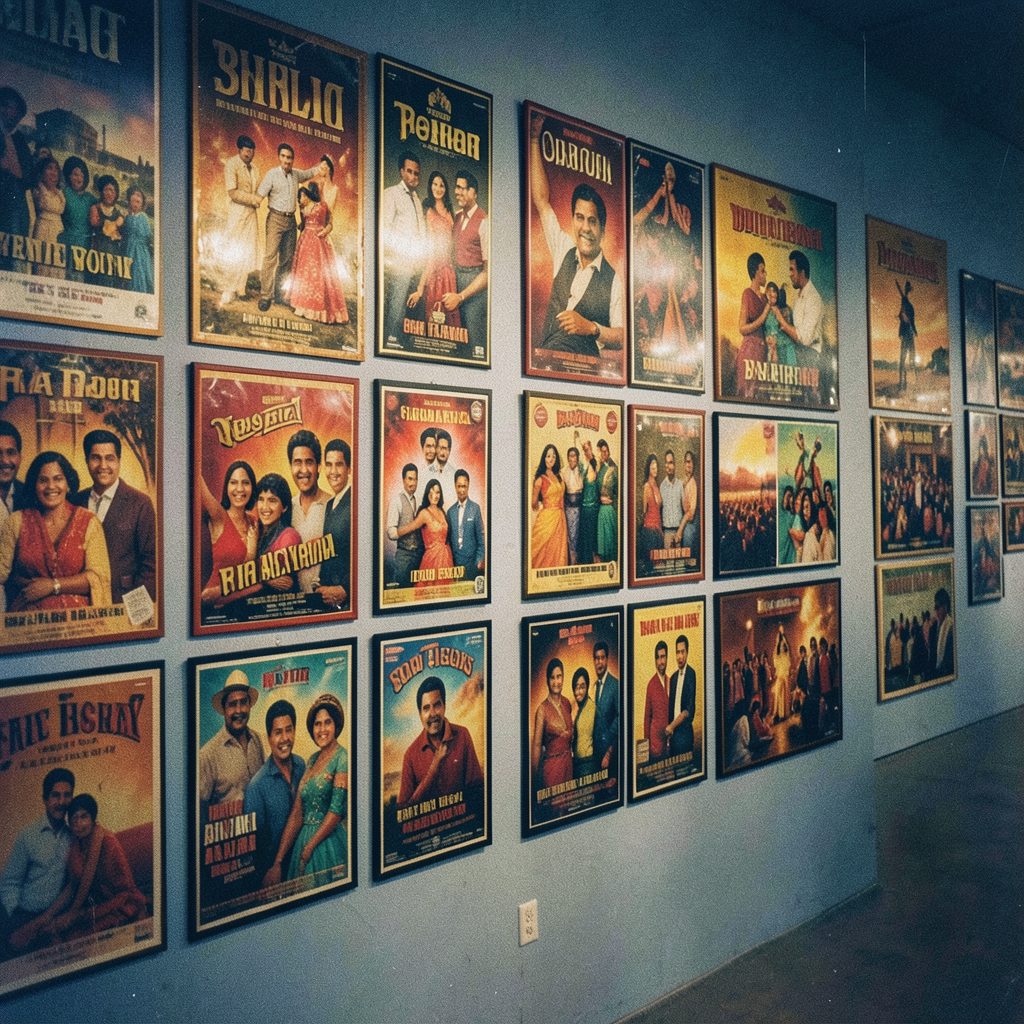

Bollywood’s Most Expensive Film Marketing Campaigns And Their ROI
A major Hindi film is no longer sold through a few posters, television spots, and songs released before opening weekend. Marketing now includes teaser launches, influencer partnerships, airport branding, merchandise, city tours, fan events, streaming tie-ins, premium-format promotions, and large-scale social media campaigns. For tentpoles with superstar casts, publicity can become a substantial part of the total production investment.
The biggest campaigns are designed to create an event rather than simply announce a release. A film may dominate conversations months before its premiere, turn its trailer into a cultural moment, or use a star’s public image to reach audiences that do not regularly follow film news. This visibility can protect a title from competing releases, encourage advance bookings, and improve its opening-day performance.
Yet a high gross does not automatically mean a high return on marketing spend. Producers usually recover money through several channels, including theatrical distribution, satellite rights, digital streaming, music, overseas sales, and brand partnerships. Since these deals are private, the return on investment for Bollywood’s most expensive film marketing campaigns must be assessed through reported budgets and public commercial indicators rather than a single verified formula.
Why Film Publicity Costs Keep Rising
India’s entertainment market is fragmented across languages, platforms, and regions. A Hindi release seeking national reach may need separate messaging for metropolitan multiplex audiences, single-screen viewers, overseas Indians, and audiences in dubbed-language markets. Every additional territory increases costs for media buying, localized content, events, public relations, and promotional partnerships.
Star fees also influence the scale of a campaign. When a film is built around a major actor, the marketing plan often includes city appearances, interviews, fashion-led publicity, branded content, and social media activity. The actor’s image becomes part of the sales strategy, while the production house attempts to convert recognition into opening-weekend occupancy.
Digital advertising has added precision, but it has not necessarily made campaigns cheaper. Studios can target viewers by age, location, interests, and viewing habits, then retarget people who watched a teaser or visited a booking page. Alongside this measurable activity, expensive outdoor advertising and television placement remain important for mass-market films.
Campaigns That Turned Promotion Into An Event
Brahmāstra: Part One – Shiva became one of the clearest examples of an Indian film attempting a Hollywood-style franchise launch. Reports placed its publicity and promotional expenditure at a very high level, with estimates often reaching around ₹150 crore, although exact figures were not officially disclosed. The campaign emphasized visual effects, mythology, a planned cinematic universe, music, merchandise, and partnerships across major consumer categories.
The film collected strongly in gross terms, especially during its opening period, but its reported production cost and promotional outlay created debate over profitability. Its theatrical performance demonstrated that awareness can be enormous without guaranteeing a comfortable return. Long-term franchise value, digital rights, and later installments therefore became important parts of the financial picture.
The RRR campaign showed how regional and Hindi-language marketing could work together. The film used star-powered events, international publicity, songs, interviews, and a carefully coordinated release strategy. Its worldwide theatrical gross was immense, strengthened by overseas interest and the visibility generated by its music and awards-season momentum.
While RRR was a Telugu production rather than a conventional Hindi film, it is relevant to the wider Indian movie business. Its campaign proved that promotional spending can help an Indian title travel beyond its original language market when the creative material, stars, and distribution strategy reinforce one another.
Reading The Numbers Behind The Hype
Reported figures vary because studios rarely publish a complete line-by-line marketing account. Some estimates include prints and advertising, while others count production-related publicity, talent costs, promotional tours, and partnerships separately. The following figures are therefore directional rather than audited accounts.
| Film | Reported or estimated marketing spend | Worldwide gross or commercial outcome | Simple gross-to-marketing ratio |
|---|---|---|---|
| Brahmāstra: Part One – Shiva | Around ₹100–150 crore | Approximately ₹400–450 crore worldwide | Roughly 3–4x |
| RRR | Around ₹35–50 crore, excluding some broader launch costs | More than ₹1,200 crore worldwide | Roughly 24–34x |
| Adipurush | Often estimated near ₹80–100 crore | Approximately ₹350–400 crore worldwide | Roughly 3.5–5x |
| Jawan | Estimated around ₹30–40 crore | More than ₹1,100 crore worldwide | Roughly 28–37x |
| Pathaan | Estimated around ₹15–25 crore | More than ₹1,000 crore worldwide | Roughly 40–67x |
This ratio is useful for comparison, but it is not net profit. A worldwide gross is divided among exhibitors, distributors, and other stakeholders, while marketing spend is only one part of a film’s cost base. A film with a smaller campaign can still lose money if production costs, interest, distribution guarantees, or revenue-sharing terms are unfavorable.
Pathaan and Jawan illustrate how efficient a campaign can appear when powerful pre-release interest meets strong content and favorable market conditions. Both benefited from major stars, recognizable production brands, strategic release timing, and audience anticipation. Their marketing did not create demand from nothing; it amplified an existing appetite for large-scale Hindi entertainment.
When Promotion Cannot Rescue A Film
Adipurush had the profile of a major event, with a mythological subject, prominent stars, extensive visual effects, and a large national campaign. Its promotional investment was widely discussed, and the film opened at a significant level. However, negative reactions to the trailer, visual presentation, dialogue, and execution affected word of mouth.
This case shows why awareness and conversion are separate marketing objectives. Advertising can make audiences aware of a release and persuade them to buy an opening-day ticket, but sustained theatrical revenue depends on satisfaction. If reviews and audience responses turn negative, an expensive campaign may accelerate the first wave of bookings without protecting the second weekend.
The same principle applies to celebrity-centered promotions. A star can deliver reach, but the audience ultimately evaluates the trailer, songs, story promise, and overall value. Publicity is strongest when it clarifies why a film deserves attention rather than merely repeating its scale.
The Role Of Fashion, Music, And Brand Partnerships
Fashion has become a practical publicity channel for Hindi cinema. A star’s airport look, premiere styling, or promotional wardrobe can generate coverage beyond film pages and bring the campaign into lifestyle conversations. Coverage of Bollywood fashion trends can extend the promotional life of a release while giving brands opportunities to participate through styling collaborations and product placement.
Music remains another major driver of low-cost organic reach. A successful song can generate reels, dance challenges, wedding performances, and user-generated content long after the official advertising push ends. For films with strong soundtracks, music videos may function as repeated reminders that keep a title visible without requiring the same media spend as a television commercial.
Brand partnerships can reduce direct costs or add promotional inventory. A beverage company, travel platform, telecom provider, or apparel label may offer co-branded advertising that reaches its own customer base. The risk is creative dilution: too many partnerships can make a film feel like a product launch instead of an engaging entertainment property.
Measuring A Campaign Beyond Opening Weekend
The first metric is usually awareness, measured through trailer views, search volume, social mentions, media impressions, and advance bookings. These indicators help studios judge whether a campaign is reaching the intended audience. They do not prove that viewers enjoyed the film or that the investment will be recovered.
A more meaningful assessment combines opening gross, occupancy, weekday stability, second-weekend retention, overseas performance, and post-theatrical licensing. A film with a moderate opening and strong word of mouth may deliver better long-term value than a heavily promoted title that collapses after two days.
Studios should also examine cost per acquired viewer, conversion from trailer engagement to ticket booking, regional performance, and the value of earned media. Search trends and social activity can reveal where interest is rising, while booking data shows whether attention is becoming revenue. This blend of creative and financial analysis is more reliable than using a single headline gross.
Practical Lessons For Future Campaigns
- Match promotional spending to the film’s audience, genre, scale, and realistic revenue ceiling.
- Separate awareness metrics from conversion metrics, including bookings and repeat-weekend retention.
- Build trailers, songs, and fashion partnerships around a clear promise rather than scattered publicity.
- Reserve part of the budget for post-release communication, reviews, audience reactions, and regional performance.
- Calculate theatrical, streaming, music, satellite, overseas, and brand income before judging return on investment.
The most successful campaigns do not simply spend more; they create a consistent reason to watch. Bollywood’s future marketing leaders will combine data-led media buying with memorable storytelling, authentic star participation, and partnerships that add value. For the latest film-business analysis, box office updates, celebrity coverage, trailers, and style stories, follow Wassupbollywood as each new release reveals whether publicity translated into genuine audience demand.