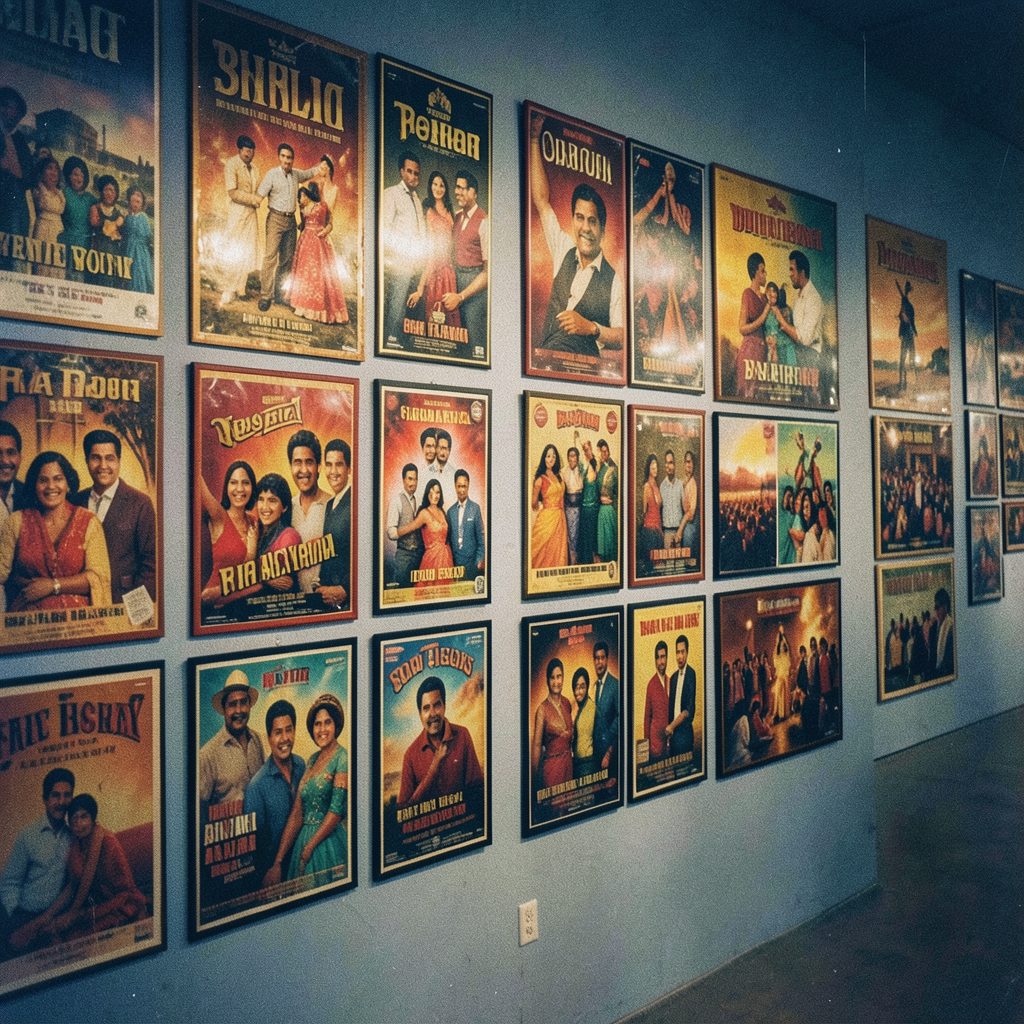

Bollywood's Biggest Box Office Flops That Became Cult Classics
Box office history is often treated as a final verdict, but Hindi cinema has repeatedly proved that opening-weekend numbers do not determine a film’s cultural life. Some movies arrive with weak marketing, unusual themes, poor release timing, or audiences that are not ready for them. Years later, the same titles can become deeply loved by new generations.
These films may have disappointed distributors and producers when they first reached cinemas, yet they found second lives through television, VHS, DVDs, streaming platforms, college screenings, and enthusiastic fan communities. Their dialogue, music, visual style, and unconventional characters gradually became part of popular culture.
The story of Bollywood’s biggest box office flops that became cult classics is therefore also a story about changing taste. A movie can fail as a commercial product while succeeding as art, comedy, satire, or emotional storytelling.
When Commercial Failure Becomes Cultural Memory
A theatrical flop usually reflects the conditions surrounding a release as much as the quality of the film itself. Competition from larger productions, an unsuitable release date, limited screens, weak publicity, or an unfamiliar genre can all reduce a movie’s immediate reach. Audience expectations also matter: a star vehicle may struggle when it refuses to deliver the romance or action promised by its casting.
Cult status develops more slowly. Viewers begin recommending a film to friends, repeating its lines, sharing clips, and discovering details missed during the first viewing. The movie becomes a reference point rather than a one-time entertainment product. In some cases, its original failure even strengthens its reputation as a hidden gem.
This pattern is especially visible in films that took creative risks. A strange comedy, a bleak satire, or a socially uncomfortable romance may seem confusing in a crowded theatrical market. With distance, however, those same qualities can appear fresh, fearless, and ahead of their time.
Andaz Apna Apna And The Afterlife Of Comedy
Rajkumar Santoshi’s Andaz Apna Apna arrived in 1994 with Aamir Khan and Salman Khan at a time when both actors were already popular. The film still failed to make a major impact during its original theatrical run. Its intentionally absurd plot, cartoonish villains, chaotic misunderstandings, and eccentric supporting characters did not fit neatly into the mainstream comedy formula of the period.
Television transformed its fortunes. Repeated broadcasts allowed viewers to absorb its rapid dialogue and layered jokes, many of which were easy to miss in a first viewing. Characters such as Crime Master Gogo, Teja, Amar, and Prem became instantly recognizable, while lines from the film entered everyday conversation.
Its cult appeal comes from the feeling that every scene contains another joke. The performances are deliberately exaggerated, yet the actors maintain enough sincerity to make the fantasy world work. Today, the movie is regularly cited as one of Hindi cinema’s most rewatchable comedies, even though its initial box office performance suggested a very different legacy.
Satire, Risk And The Films Audiences Missed
Kundan Shah’s Jaane Bhi Do Yaaro was released in 1983 and struggled commercially despite its sharp writing and talented ensemble cast. The film turns corruption, media sensationalism, political influence, and institutional hypocrisy into a wild black comedy. Its famous Mahabharata stage sequence remains one of the boldest examples of political satire in mainstream-adjacent Hindi cinema.
Its audience grew through word of mouth and television screenings. Viewers who first encountered the film years after its release recognized how accurately it captured the absurdity of public life. The comedy remains accessible, but the anger beneath it has prevented the film from becoming merely nostalgic.
Another important example is Kaagaz Ke Phool, Guru Dutt’s 1959 drama about a filmmaker whose career and personal life collapse under the pressures of the studio system. The film was considered a major commercial disappointment and was deeply associated with the setbacks faced by its director. Its sombre tone and self-reflexive story were difficult for contemporary audiences to embrace.
Over time, its cinematography, melancholy, performances, and meditation on fame earned wider critical appreciation. What was once viewed as a painful failure is now regarded as an ambitious work of Hindi cinema, particularly admired for its lighting and emotional restraint.
Unconventional Love Stories Find New Viewers
Yash Chopra’s Lamhe is one of the clearest examples of a film being misunderstood at release. The 1991 romantic drama presented a complicated relationship involving an older man and the daughter of the woman he once loved. Its premise challenged conventional ideas about age, desire, family, and female identity, making it uncomfortable for many viewers.
The film underperformed commercially, even though Sridevi delivered two distinct performances and Anil Kapoor brought considerable emotional depth to the story. Its music, costumes, locations, and restrained visual language also reflected a sophisticated approach to romance that was not immediately rewarded by the market.
Later audiences became more receptive to Lamhe because its themes could be discussed beyond the limits of a conventional love story. Viewers began to appreciate its sensitivity toward a woman who refuses to remain a copy of her mother and its willingness to explore complicated emotions without simplifying them.
Films That Grew Through Television And Home Viewing
Before streaming, television was the most powerful force in rehabilitating overlooked Hindi films. A title that had limited screenings could reach millions through weekend broadcasts. Families watched together, younger viewers discovered older stars, and memorable scenes gained a circulation that theatrical distribution had failed to provide.
Home video created another route to cult status. Film enthusiasts could pause, replay, quote, and recommend movies with unusual precision. This helped experimental works such as Om-Dar-B-Dar find devoted audiences. Kamal Swaroop’s surreal 1988 film was hardly a conventional commercial proposition, but its fragmented storytelling, dreamlike imagery, and eccentric humour later attracted cinephiles and admirers of alternative Indian cinema.
| Film | Original Reception | Source Of Cult Appeal |
|---|---|---|
| Andaz Apna Apna (1994) | Underperformed theatrically | Quotable comedy and unforgettable characters |
| Jaane Bhi Do Yaaro (1983) | Modest commercial response | Fearless satire and ensemble performances |
| Kaagaz Ke Phool (1959) | Major box office disappointment | Visual beauty and tragic self-reflection |
| Lamhe (1991) | Failed to connect with the mass audience | Unconventional romance and Sridevi’s dual role |
| Om-Dar-B-Dar (1988) | Limited commercial reach | Surreal storytelling and experimental style |
Digital platforms have accelerated this process. A film no longer needs regular television slots or a physical rental market to be discovered. Search algorithms, fan edits, review channels, and social media discussions can send viewers toward movies that once seemed commercially invisible. This has made the boundary between a forgotten film and a cult classic much easier to cross.
What Gives A Flop A Lasting Following
Commercial failure alone does not create a classic. A film needs distinctive qualities that reward repeated viewing. Memorable dialogue, unusual characters, a strong soundtrack, visual ambition, or a theme that becomes more relevant with time can all contribute to longevity.
Cult films also invite participation. Fans quote them, debate their meanings, recreate their fashion, collect posters, and share stills online. A movie becomes part of a community’s identity when people feel they have discovered something personal, even if the title is now widely recognized.
For readers tracking box office history, film reviews, release trends, celebrity updates, and the visual side of Hindi cinema, Bollywood coverage offers a useful window into the industry surrounding these enduring titles. Context often explains why a film failed initially and why later viewers responded differently.
How To Revisit These Misunderstood Films
A thoughtful viewing approach can reveal why a former flop continues to attract devoted audiences:
- Watch the film without judging it by current blockbuster pacing or production scale.
- Pay attention to dialogue, background performances, music, costumes, and recurring visual motifs.
- Compare contemporary reviews with modern critical and fan responses.
- Consider the social expectations that shaped the film’s original reception.
- Revisit the movie after a few years; cult classics often reveal new meanings with age.
The most rewarding part of this cinematic history is the reminder that audience response is never completely fixed. A film can leave theatres quietly and still remain alive in conversations, broadcasts, playlists, memes, and personal memories. The next forgotten release to gain cult status may already be waiting for viewers willing to look beyond its opening-weekend figures. Explore these overlooked Hindi films, share the discoveries, and keep their second lives moving.