
Bollywood’s Most Memorable Film Festivals Beyond India
Bollywood festivals held beyond India have become important meeting points for cinema, diaspora communities and international audiences. They bring Hindi films to cities where a packed screening can feel like both a premiere and a family gathering, with red carpets, music performances and conversations about representation.
From the IIFA Awards in spectacular global venues to the Indian Film Festival of Melbourne, these events have expanded the reach of Hindi cinema. They also create room for independent Indian films, regional-language productions, documentaries and emerging performers who may receive less attention from mainstream commercial releases.
For Australian audiences, the festival experience is especially visible in Melbourne and Sydney, where Indian cinema has a strong local following. Viewers may plan a screening around public transport, late-night food in the CBD or a weekend family outing, while distributors consider the country’s multicultural audience and relatively concentrated cinema market.
These celebrations are more than publicity stops. They influence international box office expectations, fashion coverage, music discovery and the way Bollywood is discussed outside India. Their most memorable moments often come from the blend of glamour and community: a star entrance followed by an audience debate about the film itself.
Festival cities that became Bollywood stages
The International Indian Film Academy, better known as IIFA, helped turn overseas award ceremonies into major entertainment events. Its editions in locations such as Singapore, Dubai, New York, Madrid and Melbourne combined Hindi film honours with concerts, celebrity appearances and elaborate production design. The travelling format gave each host city a chance to associate itself with Bollywood glamour.
IIFA’s strength has always been scale. A conventional awards night became a destination event involving tourism boards, sponsors, fashion designers and local Indian communities. When the ceremony reached Melbourne in 2017, the city’s sporting venues and multicultural identity offered a distinctive backdrop, showing that Bollywood could occupy a major place in Australia’s cultural calendar.
The awards have also generated memorable red-carpet images. Stars arriving in couture, dancers performing to popular film songs and emotional acceptance speeches all contribute to an atmosphere closer to a live concert than a private industry ceremony.
Melbourne’s Indian film festival has a different rhythm
The Indian Film Festival of Melbourne, or IFFM, has developed a reputation for combining popular Hindi cinema with serious discussion. Its programme includes premieres, retrospectives, short films, documentaries and work from across India, giving audiences a wider view than the usual commercial release calendar.
Its awards have recognised performers and filmmakers for work connected with social issues, gender, migration and identity. That makes the event relevant to Australia’s own public conversations. Melbourne’s large Indian-origin population includes students, professionals and families with links to many parts of the subcontinent, so the festival can support both mainstream Hindi releases and more specialised cinema.
The city’s everyday habits shape the experience. A viewer might attend a session near Federation Square, use the tram network between screenings and finish the evening at a restaurant in Richmond or the CBD. The festival feels international, yet its setting is unmistakably Melbourne.
London and New York keep the conversation moving
The London Indian Film Festival has become a key platform for South Asian cinema in the United Kingdom. Although its programme reaches beyond Bollywood, its Hindi selections sit within a broader conversation about British Asian identity, migration and changing ideas of Indian storytelling. Screenings across London allow the festival to reach audiences who may not attend a conventional awards ceremony.
New York’s Indian film festival tradition has similarly supported independent directors, actors and writers. In that environment, a modestly budgeted Hindi film can be discussed beside regional cinema and international art-house work. The result is a more layered picture of Indian cinema than a simple star-driven showcase.
These festivals are memorable because they treat film as a cultural exchange. A celebrity premiere may attract attention, but a director conversation, restored classic or audience debate can give a title a longer life. This is particularly valuable for diaspora viewers seeking stories that reflect their own experiences.
A global festival circuit with distinct identities
Dubai has provided one of the most recognisable settings for Bollywood events. Its close links with the Indian entertainment industry, large South Asian population and luxury hospitality sector make it a natural location for premieres, award nights and music-led celebrations. The city’s malls, hotels and futuristic skyline have frequently appeared alongside celebrity coverage.
Festivals and award shows in North America have tended to place greater emphasis on industry networking and independent filmmaking, while European events often connect Hindi cinema with questions of identity and artistic value. Australia occupies an interesting middle position: it can support the spectacle of a major star event while also making room for documentary and short-film programming.
| Festival or event | Host region | Memorable strength | Audience experience |
|---|---|---|---|
| IIFA Awards | Australia, Middle East, Europe and North America | Large-scale awards and concerts | Glamour, music and celebrity access |
| Indian Film Festival of Melbourne | Australia | Popular and independent Indian cinema | Screenings, talks and community engagement |
| London Indian Film Festival | United Kingdom | South Asian identity and diverse storytelling | Curated films and filmmaker discussions |
| New York Indian Film Festival | United States | Independent and international Indian cinema | Discovery-focused programming |
| Dubai-based Bollywood events | United Arab Emirates | Luxury presentation and premieres | High-profile entertainment spectacle |
For viewers in Australia, the local regulatory setting also matters. Films shown publicly may require classification under Australia’s national classification system, and festival organisers must work within venue, advertising and licensing requirements. That practical framework is less glamorous than a red carpet, but it helps determine which films reach audiences and how they are promoted.
What makes an overseas Bollywood event unforgettable
The strongest festivals balance recognisable entertainment with genuine discovery. Audiences may arrive for a major actor, then leave discussing a debut director, a regional-language feature or a short film that was never likely to receive a wide commercial release.
Features audiences remember
- Star appearances that feel connected to the host city
- Music performances built around familiar Hindi film songs
- Premieres supported by filmmaker conversations
- Fashion moments that travel quickly across entertainment media
- Awards that recognise social themes as well as commercial success
A memorable event also understands its audience. In Sydney, Melbourne and Brisbane, screenings may attract students, recent migrants, second-generation Indian Australians and viewers with no family connection to India. Accessible subtitles, convenient session times and clear ticketing can matter as much as the celebrity line-up.
Why the Australian market gives festivals room to grow
Australia has a well-established Indian diaspora and a cinema audience comfortable with international releases. Hindi films often benefit from strong opening-weekend interest in suburbs with large South Asian communities, while festival programming can encourage viewers to travel beyond their usual local multiplex.
The market remains geographically spread out. A festival in Melbourne can build a concentrated atmosphere, but audiences in Perth, Adelaide or regional New South Wales may depend on selected screenings, touring programmes or digital access. Local organisers therefore need to balance premium events with affordable tickets and practical venue choices.
Local details that shape the experience
- Melbourne’s tram-connected central venues make multi-screen festival days possible
- Sydney audiences often combine cinema with dining in Harris Park or the CBD
- Australian school and work schedules influence family attendance at evening shows
- Classification rules affect public screenings, publicity and age access
- Local multiplexes and independent cinemas compete for limited release windows
The financial side is important as well. Ticket prices, venue hire, travel and promotion must be considered in Australian dollars, while films may be acquired through international distribution agreements. A festival can generate valuable publicity even when its direct ticket revenue is modest, especially if it strengthens the market for future Hindi releases.
The role of stars, style and fan culture
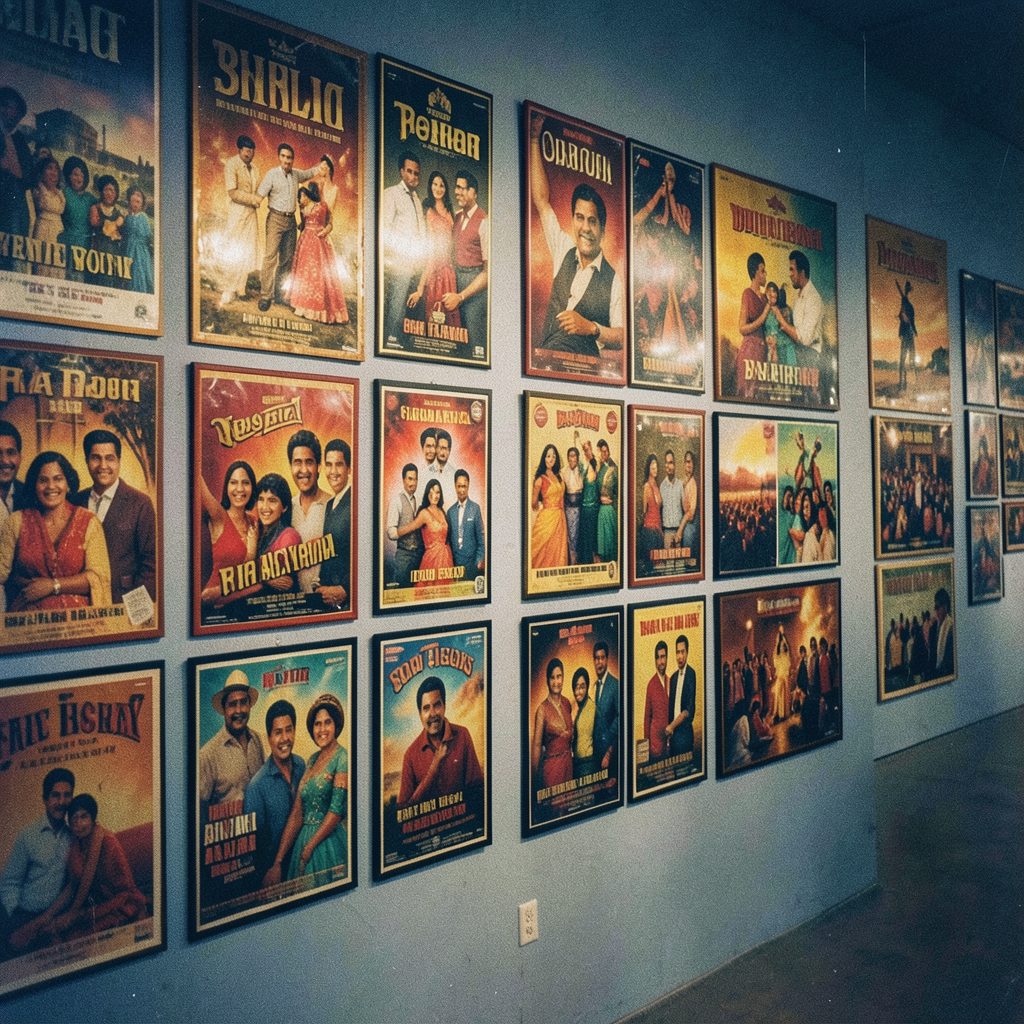
Bollywood film festivals are also visual media events. Red-carpet clothing, posters, stills and celebrity photographs often extend the festival beyond the cinema venue. A designer sari, a tailored sherwani or a dramatic stage costume can become part of the event’s public memory as quickly as a winning performance.
Fan culture gives these occasions their energy. Audiences sing along to familiar music, bring relatives to weekend sessions and follow live updates across social platforms. In Australia, where Hindi cinema fans may be spread across different suburbs and cities, festivals provide a rare chance to gather in person.
Coverage should still distinguish publicity from independent reporting. Reviews, box office figures and celebrity updates can involve commercial relationships, sponsored appearances and licensed imagery. Readers can consult the site’s disclaimer policy for important context about published entertainment content and site practices.
What these festivals leave behind
The lasting influence of an overseas Bollywood festival is measured in more than attendance. It can help a film find distributors, give a new actor international visibility and encourage audiences to explore cinema beyond the biggest releases. It can also make a city feel briefly connected to Mumbai, Hyderabad, Delhi or Kolkata through stories, music and shared enthusiasm.
The most memorable events succeed because they bring several worlds together without losing their individual character. IIFA delivers spectacle, Melbourne adds cultural breadth, London and New York encourage discovery, and Dubai amplifies the glamour of the Hindi film industry.
For Australian viewers, the clearest lesson is that Bollywood’s international life is not limited to touring stars or opening-weekend figures. It lives in festival halls, community screenings, red carpets and conversations that continue after the credits. What readers should remember is that these festivals matter because they turn Hindi cinema into a shared global experience while giving each host city its own part in the story.