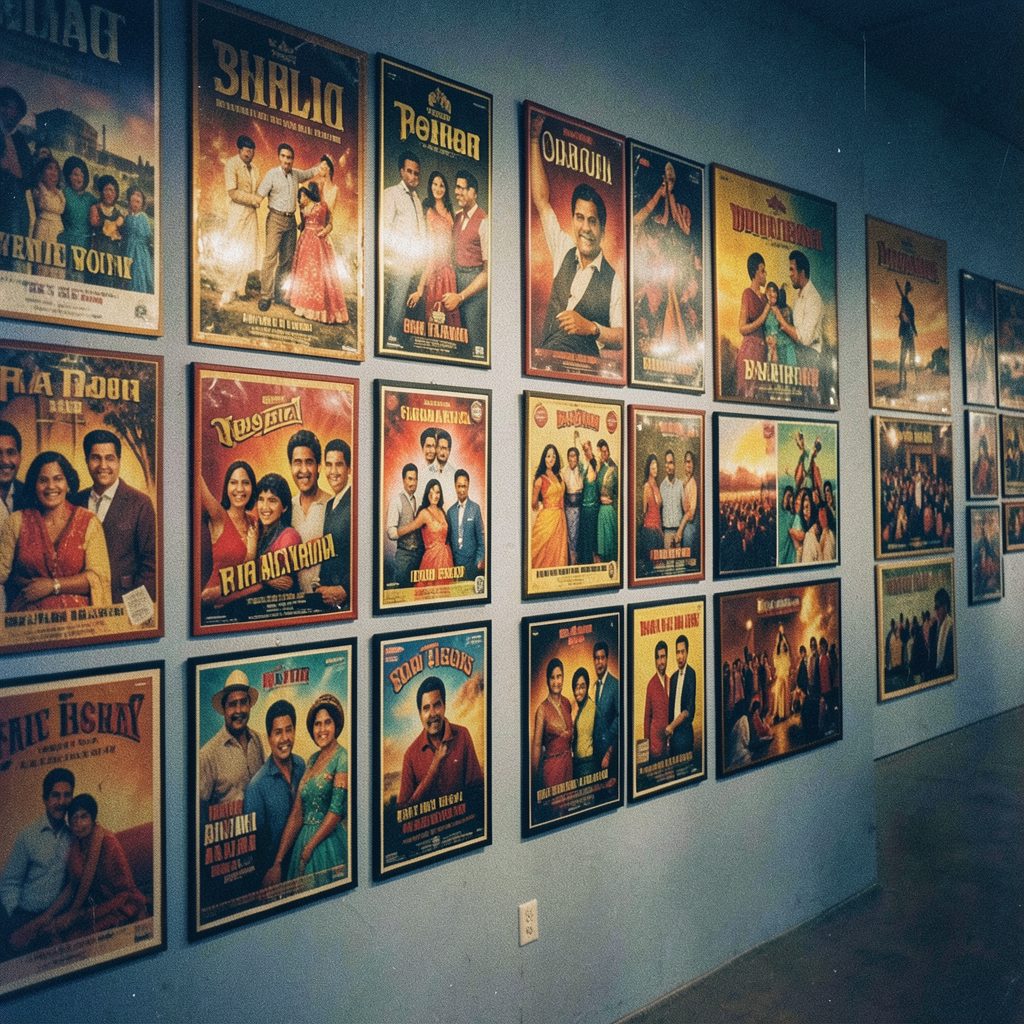

Bollywood Soundtracks That Became Global Chartbusters
Bollywood music has always travelled further than the films that introduced it. A memorable chorus can move from a Mumbai cinema to a wedding in Melbourne, a dance class in Sydney or a late-night playlist in Brisbane, carrying the emotion of Hindi cinema across languages and borders. The strongest albums become cultural passports: instantly recognisable, easy to sing along with and adaptable to different occasions.
Several Hindi film soundtracks have achieved this rare status overseas. Some were powered by diaspora audiences, while others reached listeners through music television, cassette trading, dance competitions, streaming platforms and social media. Their success shows how melody, rhythm and visual storytelling can build an international audience long before a film receives a wide theatrical release.
The Albums That Opened International Ears
The global journey of Bollywood soundtracks was helped by albums such as Dil Se.., Dilwale Dulhania Le Jayenge, Kabhi Khushi Kabhie Gham... and Lagaan. Each offered a different musical identity. A.R. Rahman’s Dil Se.. combined Indian folk influences with electronic production, while DDLJ balanced romantic ballads with energetic Punjabi celebration songs.
Kabhi Khushi Kabhie Gham... became especially powerful in overseas Indian communities because its music matched the film’s themes of family, ceremony and belonging. Tracks such as “Bole Chudiyan” and “Suraj Hua Maddham” worked equally well at weddings, cultural functions and personal listening sessions.
Lagaan introduced a more rooted sound. “Mitwa” and “Radha Kaise Na Jale” used folk textures and classical ideas without losing the accessible structure of a mainstream film song. For international listeners, the album felt distinctly Indian while remaining easy to follow through rhythm and repetition.
Why Certain Songs Travel So Well
Language is rarely a barrier when a song communicates through a strong hook. “Kuch Kuch Hota Hai,” “Kal Ho Naa Ho” and “Tum Se Hi” rely on melodies that establish their mood quickly. Even listeners who do not understand every lyric can identify the emotion: first love, nostalgia, longing or celebration.
Dance has also played a major role. High-energy songs such as “Dhoom Machale,” “Mauja Hi Mauja” and “Nagada Sang Dhol” give performers clear rhythmic cues and memorable movement patterns. Bollywood dance schools across Australia use this kind of music because it supports group choreography and allows dancers with different levels of experience to participate.
The arrangement matters as well. A strong soundtrack usually moves between contrasting moods rather than offering six versions of the same song. Romantic tracks, wedding numbers, dramatic themes and instrumental passages create an album that can accompany an entire evening.
From Cassette Culture To Streaming Playlists
Overseas popularity once depended heavily on cassette shops, imported CDs, Indian television channels and community networks. Families carried favourite albums between countries, while music stores in suburbs with established Indian communities created access to new releases. A song could become familiar in Leicester, Singapore, Dubai or Melbourne before many listeners had watched the film.
Digital platforms changed the speed of discovery. YouTube made full music videos available worldwide, while Spotify, Apple Music and regional streaming services placed older Hindi albums beside current releases. This helped songs such as “Chaiyya Chaiyya,” “Pehla Nasha” and “Kun Faya Kun” find younger listeners who encountered them through playlists, reels or dance edits rather than through the original cinema release.
| Soundtrack | Defining Musical Strength | Overseas Appeal |
|---|---|---|
| Dil Se.. | Folk, electronic and Sufi-inspired textures | Ambitious sound with a memorable visual identity |
| Dilwale Dulhania Le Jayenge | Romantic melodies and Punjabi celebration | Closely connected to family, weddings and diaspora life |
| Kabhi Khushi Kabhie Gham... | Grand orchestration and emotional variety | Songs fit ceremonies, reunions and dramatic performances |
| Kal Ho Naa Ho | Polished pop ballads and upbeat dance tracks | Accessible melodies for a younger international audience |
| Rockstar | Rock, Sufi and emotionally intense songwriting | A distinctive album with a strong album-listening experience |
| Aashiqui 2 | Melancholic romantic ballads | Direct emotional appeal and strong sing-along potential |
A Listening Guide For Global Bollywood Favourites
The following albums show how Hindi film music has expanded beyond its original market. They are useful starting points for listeners exploring classic and modern Bollywood soundtracks.
- Dil Se.. for adventurous production, Sufi colour and the enduring energy of “Chaiyya Chaiyya”
- Kabhi Khushi Kabhie Gham... for wedding music, family emotion and richly staged ensemble numbers
- Kal Ho Naa Ho for polished early-2000s pop, romantic songwriting and an instantly recognisable title track
- Rockstar for a rawer blend of rock, Sufi influence and introspective performance
- Aashiqui 2 for contemporary heartbreak ballads that dominated playlists and covers
Rockstar deserves particular attention because it functions almost like a standalone record. Songs such as “Sadda Haq,” “Kun Faya Kun” and “Phir Se Ud Chala” occupy different musical spaces, yet the album maintains a coherent emotional arc. Its international audience grew through live performances, online sharing and listeners drawn to the voice and composition of its music.
Aashiqui 2 followed a different route. Its songs became closely associated with romantic melancholy, making the album popular among listeners who might never have followed every detail of the film. “Tum Hi Ho” became a major cover song, with versions appearing in singing competitions, social videos and live sets around the world.
How Australia Heard The Soundtracks
Australia has a particularly visible relationship with Hindi film music because its Indian diaspora is concentrated in cities such as Melbourne, Sydney, Brisbane and Perth. Bollywood songs are common at wedding receptions, university events, community festivals and dance showcases. A track that begins as a film promotion can quickly become part of the soundtrack of everyday social life.
Melbourne’s Indian Film Festival of Melbourne has helped reinforce the connection between cinema, music and diaspora culture. In Sydney, Diwali celebrations and Indian cultural events often include Bollywood performances, while local dance schools build routines around recognisable film songs. These settings favour songs with clear choruses and dramatic changes, qualities that make them effective for a live audience.
The Australian market also reflects the wider shift toward streaming. Listeners may discover a classic album on Spotify Australia, hear a song in an Instagram reel or encounter it through a Bollywood dance class before seeking out the complete film. This creates a two-way exchange: established diaspora audiences preserve familiar songs, while younger listeners give them new contexts.
The Ingredients Of A Lasting Chartbuster
A soundtrack that travels well usually combines emotional clarity with a sound that feels specific. It does not have to imitate Western pop, though many successful albums borrow modern production methods. Its identity comes from the relationship between voice, rhythm, instrumentation, lyrics and the film’s visual world.
Several recurring qualities explain why certain albums remain popular long after their release:
- A chorus that can be recognised after one or two listens
- Distinct moods that make the album useful for different occasions
- Vocals with a strong emotional signature, from playback legends to newer singers
- Rhythms that support dance, celebration and audience participation
- Lyrics that express universal feelings without losing cultural detail
The best albums also benefit from timing and performance. A song gains extra life when its picturisation becomes iconic, when actors match the music’s emotional tone or when a singer delivers a line with unusual vulnerability. “Chaiyya Chaiyya” is remembered through its train-top choreography, while “Bole Chudiyan” remains linked to a large-scale family celebration. The music and images reinforce each other.
For Australian listeners, these soundtracks can work as both entertainment and cultural memory. They connect generations who may prefer different films but recognise the same melodies. A parent may remember a cassette, a university student may know a remix and a young dancer may learn the song through choreography. That shared recognition is a major reason Bollywood music continues to chart its own international path.
The next step is to queue Dil Se.., Kabhi Khushi Kabhie Gham..., Kal Ho Naa Ho, Rockstar and Aashiqui 2 in release order and listen to one complete album each.