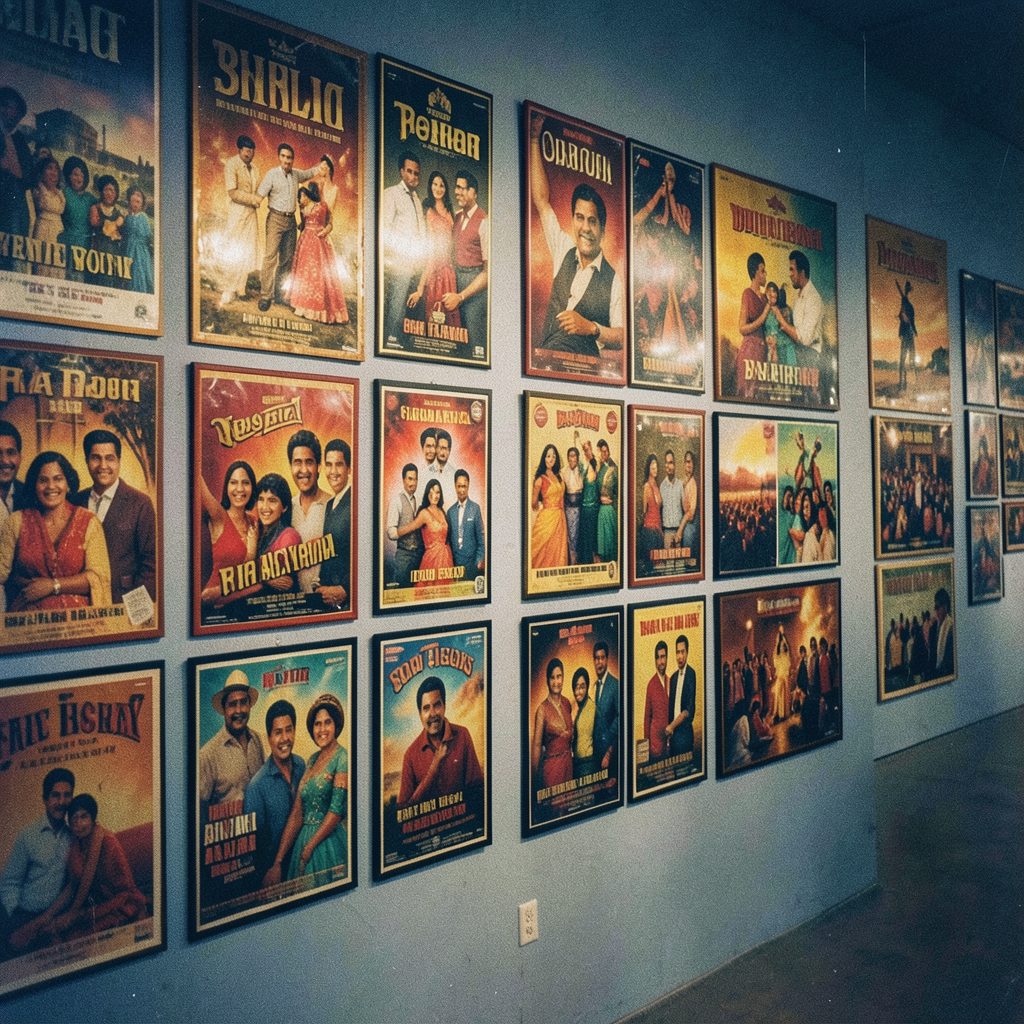

Bollywood Characters Who Grew Beyond Their Original Films
Some Hindi film characters are remembered long after the plot has faded. A sharp dialogue, unusual costume or instantly recognisable comic rhythm can turn a supporting role into a cultural property. When that character returns in sequels, crossovers or a new franchise, the audience often feels it is meeting an old friend rather than watching a routine follow-up.
Bollywood’s most successful spin-off characters have emerged in several forms. Some received their own films, some became the centre of a connected universe, and others remained supporting players whose popularity shaped an entire series. The distinction matters because Hindi cinema has often expanded characters through sequels rather than traditional Hollywood-style spin-offs.
This approach has proved commercially useful. A familiar name lowers the risk of a new release, while a recognisable personality gives trailers, posters, music and merchandise an immediate identity. It also helps films travel across markets, including Australia, where audiences in Sydney, Melbourne, Brisbane and Perth regularly follow major Hindi releases in cinemas and on streaming platforms.
The strongest examples combine star power with a clear character hook. A police officer may become a symbol of righteous action, a superhero may carry a family saga across generations, and a comic side character may become the reason audiences return. These are the figures who demonstrate how Bollywood turns memorable film roles into long-running entertainment brands.
| Character or franchise lead | First major appearance | How the character expanded | Core appeal |
|---|---|---|---|
| Krrish | Koi... Mil Gaya | Superhero sequels and a connected mythology | Family-friendly fantasy |
| Singham | Singham | Sequels and the cop universe | Justice, action and patriotism |
| Simmba | Simmba | Joined Rohit Shetty’s police universe | Comedy, spectacle and star charisma |
| Sooryavanshi | Singham Returns cameo | Lead film and crossover appearances | Action-thriller scale |
| Munna Bhai and Circuit | Munna Bhai M.B.B.S. | Sequel-led character franchise | Warmth, comedy and friendship |
| Baburao, Raju and Shyam | Hera Pheri | Recurring ensemble in sequel culture | Catchphrases and comic chemistry |
Krrish Turned A Family Drama Into A Superhero Saga
Krrish is one of Hindi cinema’s clearest examples of a character growing out of an earlier film. The story began with Rohit Mehra, played by Hrithik Roshan in Koi... Mil Gaya, a gentle young man whose life changes after contact with an extraterrestrial being. The later Krrish films shifted the focus to Rohit’s son, transforming the emotional science-fiction world into a superhero franchise.
What made Krrish effective was the balance between spectacle and family storytelling. The character was not presented simply as an invincible action figure. His identity was tied to parents, inheritance, isolation and responsibility, themes that helped the films appeal to younger viewers and parents watching together.
The franchise also benefited from Hrithik Roshan’s physical performance and dance background. Krrish could headline action sequences, romantic songs and elaborate promotional campaigns. For Australian audiences, the character remains especially accessible through dubbed or subtitled streaming releases, where the mix of Hindi melodrama and superhero adventure travels easily beyond the original theatrical market.
The Cop Universe Gave Singham New Partners
Singham began as a focused action hero in Rohit Shetty’s Singham, where Ajay Devgn played an upright police officer confronting corruption. The character’s power came from simplicity: a strong moral code, a recognisable uniform and a dramatic style of justice that translated directly into mass-market entertainment.
The wider universe expanded when Simmba, played by Ranveer Singh, received his own film. Simmba was designed as a contrasting personality: louder, more comic and initially less idealistic than Singham. His story eventually pushed him towards moral responsibility, allowing the film to combine comedy with a conventional redemption arc.
Sooryavanshi, played by Akshay Kumar, extended the formula into large-scale counter-terror action. First introduced through a cameo, he later became the lead of his own film and joined Singham and Simmba in a crossover. This structure resembles a spin-off model while retaining the shared visual language, police setting and celebrity event appeal of Bollywood.
For the Australian market, crossover films benefit from the communal nature of cinema-going. A major Hindi release can attract families and groups during Diwali periods, school holidays or weekend evening shows, with the promise of multiple stars creating an event beyond a standard action film.
Munna Bhai Proved Comedy Could Carry A Franchise
Sanjay Dutt’s Munna Bhai is another standout franchise lead. Munna Bhai M.B.B.S. introduced a Mumbai gangster who enters medical college to impress his father, but the character’s emotional intelligence gradually becomes more important than his criminal background. The film’s humour worked because Munna was intimidating in appearance yet deeply affectionate in practice.
Circuit, played by Arshad Warsi, became almost inseparable from Munna’s identity. His slang, loyalty and comic timing made him one of Hindi cinema’s most beloved supporting characters. Although Circuit did not receive a fully independent feature, his popularity helped turn the partnership into the central attraction of the sequel Lage Raho Munna Bhai.
That distinction is useful when discussing successful spin-off characters. A character does not need a solo film to influence a franchise. Circuit’s presence helped define the tone, while Munna’s return demonstrated how a character-led sequel can move into a new social theme without abandoning its comic heart.
The series also travelled well among overseas Indian audiences because its humour was grounded in relationships rather than only local references. Viewers in Melbourne or Adelaide could recognise the family tensions, generational arguments and affectionate friendships even when some Mumbai-specific jokes required subtitles or cultural context.
Comic Ensembles Often Create The Strongest Fan Loyalty
Some of Bollywood’s most durable characters come from ensemble comedies rather than action franchises. Baburao Ganpatrao Apte, Raju and Shyam from Hera Pheri became a defining trio through their clashing personalities, memorable dialogue and escalating misunderstandings. Baburao’s spectacles and distinctive speech patterns, in particular, turned him into a constant source of memes and social-media clips.
The trio’s appeal rests on chemistry. Raju is opportunistic, Shyam is more cautious and Baburao is perpetually confused, yet their financial struggles create a recognisable bond. The characters became more culturally powerful through repeated television broadcasts, online video circulation and fan conversations about future sequels.
Several features help comic roles survive across films and formats:
- A clear personality that can be recognised in a single scene
- Dialogue that works as a catchphrase or meme
- Contrasting characters who generate conflict without losing affection
- Visual details such as costumes, gestures or props
- Situations that can be adapted to new social and commercial settings
The wider lesson is that comic characters can build a franchise even without heroic transformation. Their value lies in repetition with variation: audiences want the familiar mannerisms, but they also expect a new crisis, scheme or misunderstanding each time.
Action and comedy characters usually remain strongest when filmmakers protect their essential identity:
- Keep the central relationship intact
- Give the character a fresh problem rather than a recycled plot
- Allow supporting actors to retain their individual rhythm
- Use music and promotional imagery to reinforce recognition
- Avoid turning a popular personality into a generic star vehicle
Why These Characters Continue To Matter
Successful franchise characters provide Bollywood with a bridge between nostalgia and new releases. Krrish connects a superhero story to a family drama, while Singham’s world uses crossover casting to make each film feel larger. Munna Bhai and Circuit show that emotional warmth can be as commercially valuable as action spectacle, and the Hera Pheri trio proves that comic timing can outlast production delays and changing trends.
Their popularity also reflects how Hindi cinema is consumed now. A character can return through a theatrical sequel, a streaming library, a short video clip, a fan-made poster or a dialogue shared during a Diwali gathering. In Australia, this multi-platform life is important because release access varies between major cities and regional areas. A film may open in Sydney and Melbourne first, then gain wider attention through streaming and community recommendations.
The best spin-off characters remain recognisable without becoming frozen in time. They can carry a new genre, meet another franchise hero or enter a different stage of life while preserving the qualities audiences originally loved. For a focused viewing run, start with Koi... Mil Gaya, follow it with Krrish, then watch Singham, Simmba and Sooryavanshi to see Bollywood’s character-led franchise model develop on screen.