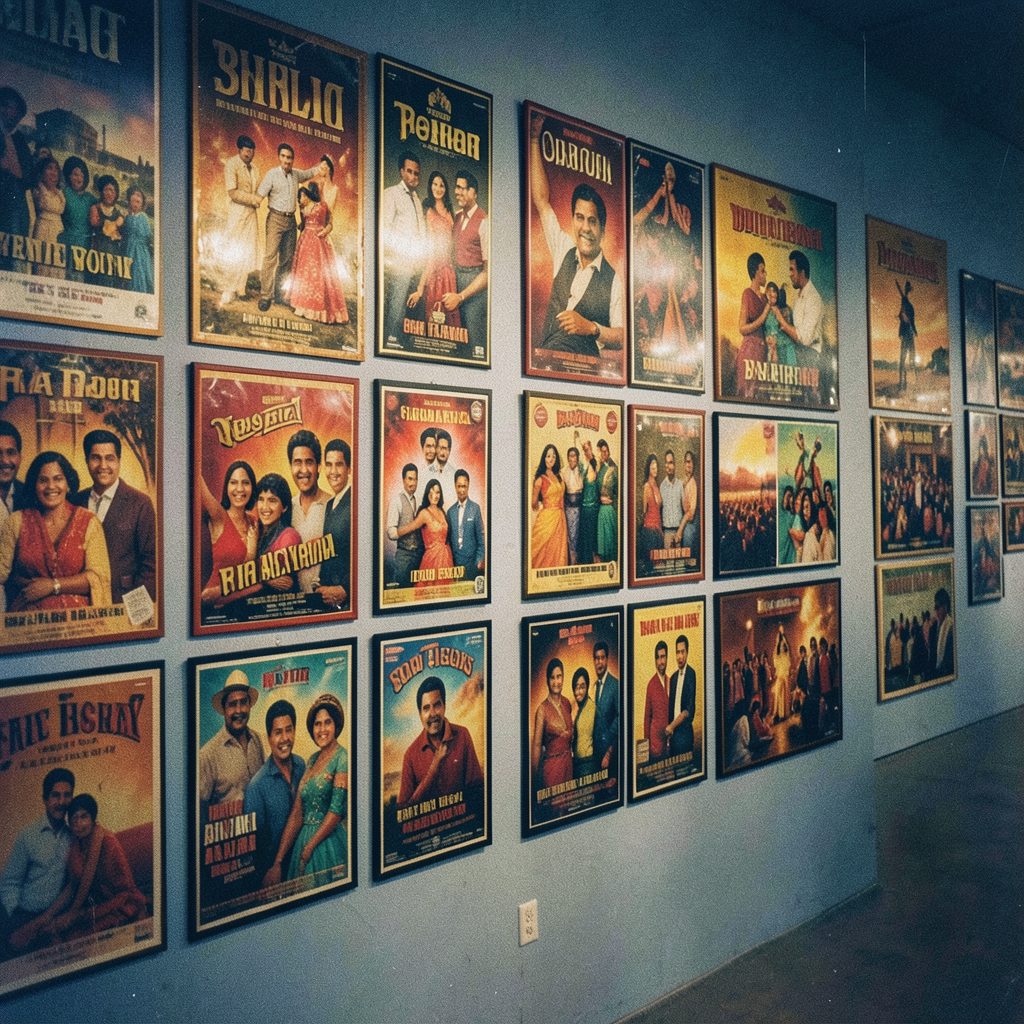

Bollywood Cameos That Left A Lasting Impression
Bollywood has a long tradition of surprising audiences with familiar faces appearing for a few seconds, one scene, or a single musical number. When the guest is a cricketer, filmmaker, designer, singer, business leader, or television personality rather than a trained actor, the moment can feel especially spontaneous. The person brings an existing public image into a fictional world, creating a small collision between cinema and everyday fame.
These appearances are often easy to miss on a first viewing, yet they can become the detail fans remember most. For audiences in Australia, where Hindi films are frequently watched at diaspora screenings in Sydney, Melbourne and Brisbane, a recognisable cameo can generate instant conversation in the foyer or on the drive home. Here is a closer look at why these brief appearances work and which kinds of non-actors have made the strongest impression.
| Cameo type | Familiar face | Why it works | Typical audience reaction |
|---|---|---|---|
| Filmmaker appearance | Karan Johar or Farah Khan | Adds industry humour and self-awareness | Fans enjoy spotting the insider |
| Sports celebrity | Cricketers and athletes | Connects cinema with national sporting culture | Cheers, laughter and social posts |
| Music personality | Singers, composers and DJs | Extends the film’s musical identity | Viewers recognise the voice and persona |
| Fashion figure | Designers and stylists | Reinforces glamour and visual storytelling | Fashion fans notice the detail |
| Public figure as themselves | Television or media personalities | Makes fiction feel connected to real life | The scene becomes a talking point |
When Industry Insiders Step In Front Of The Camera
Some of Bollywood’s most enjoyable non-actor appearances come from people who already work behind the scenes. Directors, producers, choreographers and fashion designers understand how a film set functions, so they can deliver a cameo without slowing the pace. Their presence also gives viewers the feeling that the entire Hindi film industry is joining the party.
Karan Johar is a familiar example. Although he is primarily a director, producer and television personality, his occasional on-screen appearances have become part of his public identity. His cameo in Om Shanti Om, for instance, fits the film’s affectionate celebration of Bollywood excess. Farah Khan has made similar appearances, often bringing an insider’s wit and a sense that she knows exactly how audiences read the scene.
Luck by Chance takes this idea further by turning the film industry itself into part of the story. Its parade of real Bollywood figures makes the casting feel like a playful documentary of celebrity culture. These are not conventional acting showcases; they are quick signals that reward viewers who recognise the faces behind the films they love.
Sports Stars Bring A Different Kind Of Energy
Cricket celebrities can produce an especially loud response in Hindi cinema because their fame exists outside film culture. A sports star does not need a complicated line or dramatic close-up. The audience already knows the person’s gestures, reputation and public history, which means even a short appearance carries built-in meaning.
Indian films have regularly used cricketers in self-referential scenes, sporting montages, award-show sequences and promotional appearances. Harbhajan Singh, Kapil Dev and other cricket personalities have appeared in screen projects or film-linked scenes, usually as versions of themselves. Their presence connects the glamour of Bollywood with the emotional force of match day, where a familiar name can command the same immediate recognition as a leading actor.
This crossover is easy to appreciate in Australia, where Indian cinema and cricket often share the same community spaces. A Hindi film screening in Melbourne may draw conversation about the IPL, the Big Bash League and the latest Test series before the trailers even begin. In that setting, a cricketer’s cameo feels like a meeting point between two major parts of Australian Indian life.
Singers And Designers Add Authenticity
Bollywood has always blurred the line between acting, music, fashion and celebrity. Singers can appear in a song sequence or party scene because audiences already associate their voice with the emotional world of Hindi cinema. A recognisable vocalist appearing briefly can make a musical number feel like a live industry gathering rather than a sealed fictional moment.
The same applies to composers and music personalities. Their appearance may be little more than a reaction shot, a performance cameo or a presence in a celebratory sequence, yet it confirms the film’s connection to the wider music business. In music-driven movies, this can be more effective than adding another scripted character.
Fashion designers have a similar role. Names such as Manish Malhotra have appeared around Bollywood’s glamour machine, where a designer’s presence can underline the importance of costumes, celebrity styling and public image. For viewers following Hindi film fashion from Australia, such cameos offer an extra layer of recognition. The outfit may receive the attention, but the person responsible for that visual language is part of the story too.
Self-Awareness Makes The Best Cameos Memorable
A non-actor cameo works best when it does not pretend to be something it is not. The most successful appearances usually allow the guest to remain recognisable. A filmmaker can play a heightened version of a filmmaker, a singer can appear in a musical setting, and a sports star can simply be an unmistakable sports star.
This is why Bollywood cameos often thrive in comedies, wedding scenes, award ceremonies and films about the film industry. These settings make room for exaggeration and surprise. The appearance becomes a wink to the audience rather than a demand that the guest carry a dramatic subplot.
The risk is overexposure. If a cameo is promoted too heavily, the surprise disappears before the film starts. If the scene runs too long, viewers may begin judging performance skills instead of enjoying the recognition. A well-timed appearance should feel like a bonus: brief, relevant and memorable enough to prompt a “Did you spot them?” conversation afterwards.
A Smart Way To Rewatch Cameo-Heavy Films
For viewers building a personal list of Hindi cinema’s best guest appearances, the most rewarding approach is to look beyond famous faces and consider how each cameo serves the film. These recommendations can help separate a meaningful appearance from a simple celebrity insertion:
- Look for cameos that reveal something about Bollywood’s working culture.
- Notice whether the guest appears as themselves or plays a fictional character.
- Compare the reaction to sports celebrities with the response to filmmakers and singers.
- Rewatch musical and wedding sequences, where hidden appearances are common.
- Check the closing credits for unannounced guest roles and special appearances.
- Consider whether the cameo still works when removed from its promotional value.
Streaming has made this kind of viewing easier for Australian fans. A film that once required a local cinema event may now be available through a major platform, while community groups continue to organise special screenings around major releases. Subtitles also make industry jokes and quick visual references easier to catch, particularly for younger viewers who speak English more comfortably than Hindi.
The appeal of these appearances lies in their compactness. They bring cricket, music, fashion, television and filmmaking into the same cinematic space without asking the guest to become a full-time actor. For the next viewing, pause the credits of one Bollywood favourite and write down every familiar non-actor you spot.