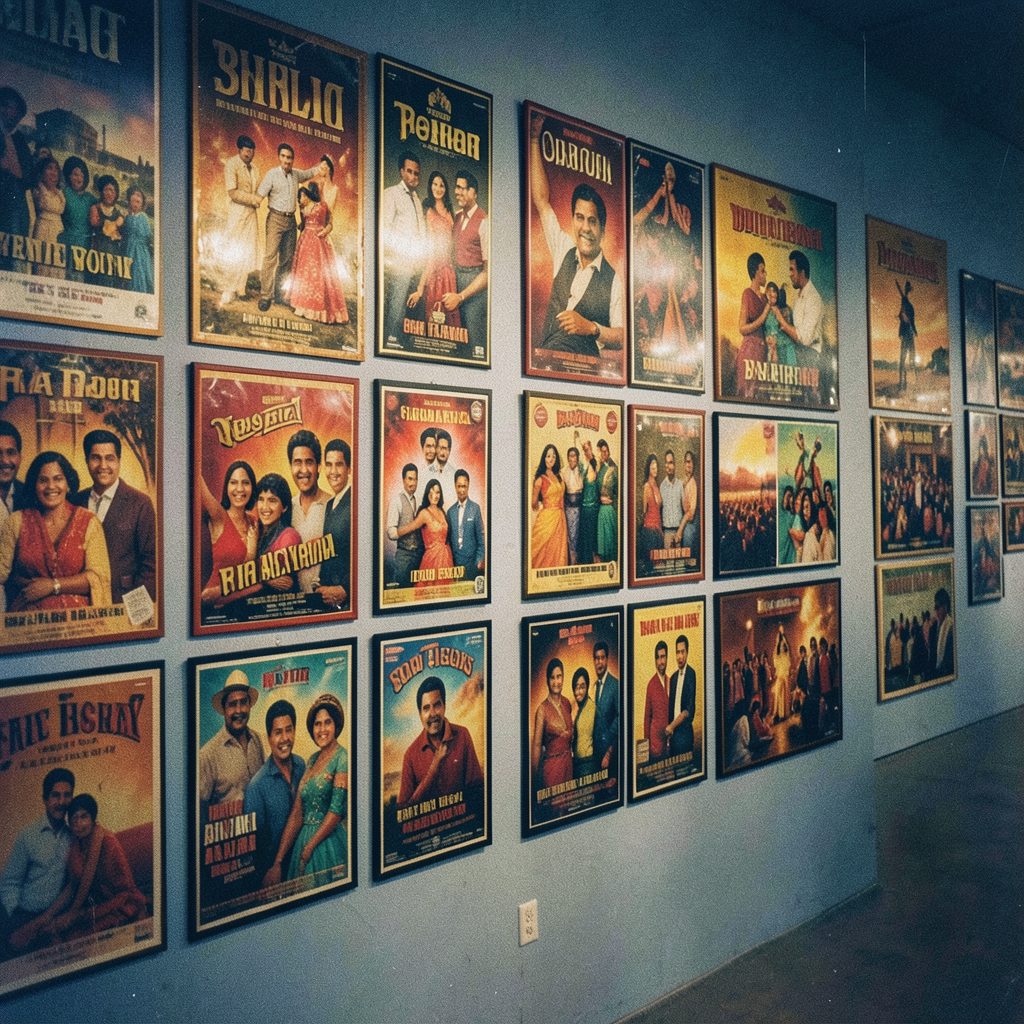

Bollywood’s Most Scenic Filming Locations Across India
Hindi cinema has long used India’s landscapes as more than attractive backdrops. Snow-covered valleys can signal romance or separation, palace courtyards can suggest inherited power, while tropical roads and beaches often bring a sense of escape. For audiences in Australia, these locations also offer a visual map of India’s remarkable variety, from alpine terrain to desert forts and humid coastal villages.
A scenic Bollywood location can become inseparable from a film’s identity. The mountains of Kashmir recall classic romantic cinema, Ladakh brings an expansive modern scale, and Rajasthan gives period dramas their grandeur. Several destinations are also practical travel inspirations for Australians planning a longer holiday around film, food, architecture and local culture.
| Location | Screen character | Ideal travel period | Useful planning note |
|---|---|---|---|
| Kashmir | Lakes, meadows and snow peaks | April to October | Weather can change quickly in mountain areas |
| Ladakh | High-altitude roads and stark valleys | May to September | Allow time to acclimatise |
| Rajasthan | Forts, palaces and desert colour | October to March | Winter days are pleasant, nights can be cold |
| Himachal Pradesh | Pine forests, valleys and hill towns | March to June or September to November | Roads may be slow and winding |
| Kerala | Backwaters, palms and village life | November to February | Plan around monsoon conditions |
| Goa and the Konkan coast | Beaches, roads and tropical light | November to February | Peak season brings higher accommodation prices |
Why Scenery Matters In Hindi Cinema
Location work helps establish mood before a character speaks. A wide shot of a valley can make a love story feel timeless, while a crowded old-city lane places the audience inside a family drama or a crime narrative. Bollywood directors frequently use recognisable geography to give an emotional journey a physical shape.
The locations also influence music and choreography. Open landscapes provide space for large-scale dance sequences, while palaces, lakes and forests create memorable movement between performers, costume and architecture. Songs filmed in striking surroundings often become travel references for fans, with viewers seeking out the same viewpoints after seeing them on screen.
For Australian viewers, the contrast can be especially compelling. Someone used to Sydney’s beaches, Melbourne’s laneways or the broad visual openness around Perth may find India’s cinematic geography intensely layered. A single itinerary can move from crowded markets to silent mountain passes within a few days, although the distances and road conditions require realistic planning.
Kashmir’s Lakes, Meadows And Snowy Valleys
Kashmir remains one of Hindi cinema’s most enduring scenic settings. Srinagar’s Dal Lake, shikaras, houseboats and surrounding mountains have appeared in generations of romantic films. The region’s green meadows and flowering gardens offer a softer visual language, while winter brings a completely different palette of snow, mist and pale light.
Gulmarg and Pahalgam are particularly associated with sweeping outdoor sequences. Their meadows and conifer forests can frame a song with a dreamlike quality, and the changing seasons allow filmmakers to represent warmth, longing or isolation. Sonamarg, with its high valleys and mountain roads, adds a grander sense of scale.
Travellers should allow flexibility because weather, road access and local conditions can affect plans. Spring and early summer are popular for gardens and bright green scenery; autumn offers clearer tones and fewer intense crowds in some areas. The cinematic image is serene, but a real visit benefits from patience, respectful behaviour and advice from local operators.
Rajasthan’s Forts, Palaces And Desert Horizons
Rajasthan supplies Bollywood with some of India’s richest architectural scenery. Jaipur’s pink façades, Udaipur’s lakes and Jodhpur’s blue streets have featured in romance, family drama and historical storytelling. Jaisalmer adds golden sandstone and open desert, creating a naturally theatrical setting for both period productions and contemporary road stories.
The state’s forts and havelis bring texture to the frame: carved balconies, painted walls, courtyards and imposing gateways. Films set in royal households often rely on these spaces to communicate status without lengthy dialogue. Even when a production uses a palace interior or heritage hotel, the surrounding landscape helps preserve a sense of place.
For an Australian traveller, Rajasthan can feel very different from a familiar urban holiday in Melbourne or Brisbane. The best experience usually comes from slowing down rather than trying to cover every city. October to March is generally more comfortable for sightseeing, while early starts help visitors avoid the strongest afternoon heat and find quieter views at major monuments.
Himalayan Landscapes Beyond Kashmir
Himachal Pradesh has become a favourite for films seeking pine forests, hillside villages and relaxed mountain atmospheres. Manali, Shimla and nearby valleys have hosted romantic songs, coming-of-age stories and road films. Their appeal lies in variety: a production can move from busy markets to apple orchards, rivers and high passes without leaving the broader Himalayan region.
Ladakh offers a sharper visual contrast. Its barren mountains, turquoise lakes and winding roads create a sense of distance rarely found elsewhere in mainstream Hindi cinema. Pangong Lake became widely recognised after appearing in 3 Idiots, while Leh and the surrounding valleys continue to attract filmmakers looking for dramatic, almost otherworldly scenery.
Altitude should be taken seriously in Ladakh. Visitors arriving from Australia may need several days to adjust, particularly after flying into Leh. Travel insurance, hydration, warm layers and a careful schedule matter more than squeezing in every famous viewpoint. Roads can also be slow, so a route that looks short on a map may take much longer than expected.
Kerala, Goa And The Southern Coast
Kerala brings a different kind of cinematic beauty, built around backwaters, coconut palms, rain-washed greenery and traditional architecture. Alappuzha’s waterways and Kumarakom’s lagoons are natural settings for reflective scenes, family stories and songs shaped by movement on the water. Houseboats provide an instantly recognisable image, although responsible tourism is important in heavily visited areas.
Goa and the Konkan coast offer beaches, laterite houses, palms and winding roads. Hindi films have used Goa for holiday comedies, music videos and stories about personal freedom. The region’s Portuguese-influenced architecture and relaxed coastal rhythm give it a distinct visual identity that differs from the grand beaches often associated with international resort advertising.
The travel seasons are significant. November to February is popular because the weather is generally drier, but it is also the busiest period, especially around Christmas and New Year. Australians travelling during their summer holidays may find prices higher in Goa, while Kerala’s monsoon can deliver spectacular greenery but also alter boat schedules and outdoor plans.
Planning A Screen-Inspired Film Journey
A Bollywood location trip works best when it combines famous sights with the everyday settings around them. Local markets, regional food, small museums and traditional performances often reveal more than a quick stop at a filming viewpoint. It is also worth checking whether a location is a protected monument, private property or active community space before taking photographs.
Indian cinema is widely available in Australia through major chains such as Event Cinemas and HOYTS, independent venues and community screenings. The Indian Film Festival of Melbourne has also helped connect Australian audiences with Hindi and regional cinema. Watching a film before travelling can make details of costume, architecture and landscape easier to recognise without treating a living community as a film set.
Keep these practical points in mind:
- Compare domestic flights, trains and private drivers before building a route, because Indian travel times can exceed Australian map estimates.
- Carry modest clothing for religious sites, and remove shoes where local custom requires it.
- Budget in Australian dollars with room for seasonal price changes, guide fees and last-minute transport.
- Use sunscreen, water and breathable clothing in Rajasthan, Goa and Kerala, even when the scenery appears gentle on screen.
- Check altitude guidance for Ladakh and mountain areas instead of treating a high-altitude visit like an ordinary city break.
- Look for regional food and locally owned accommodation, which can make the journey more personal and support destination communities.
The most rewarding locations are rarely just photographs to collect. Kashmir’s quiet water, Rajasthan’s stonework, Kerala’s waterways and Ladakh’s open horizons each carry histories that exist beyond their Bollywood appearances. The screen may inspire the route, but local context gives the landscape its lasting meaning.
What readers should remember is simple: India’s film locations are diverse, seasonal and culturally alive. Approach them as real places first and cinematic settings second, and the journey will offer far more than a familiar shot recreated for social media.