Bollywood's most beloved father-son pairings on screen
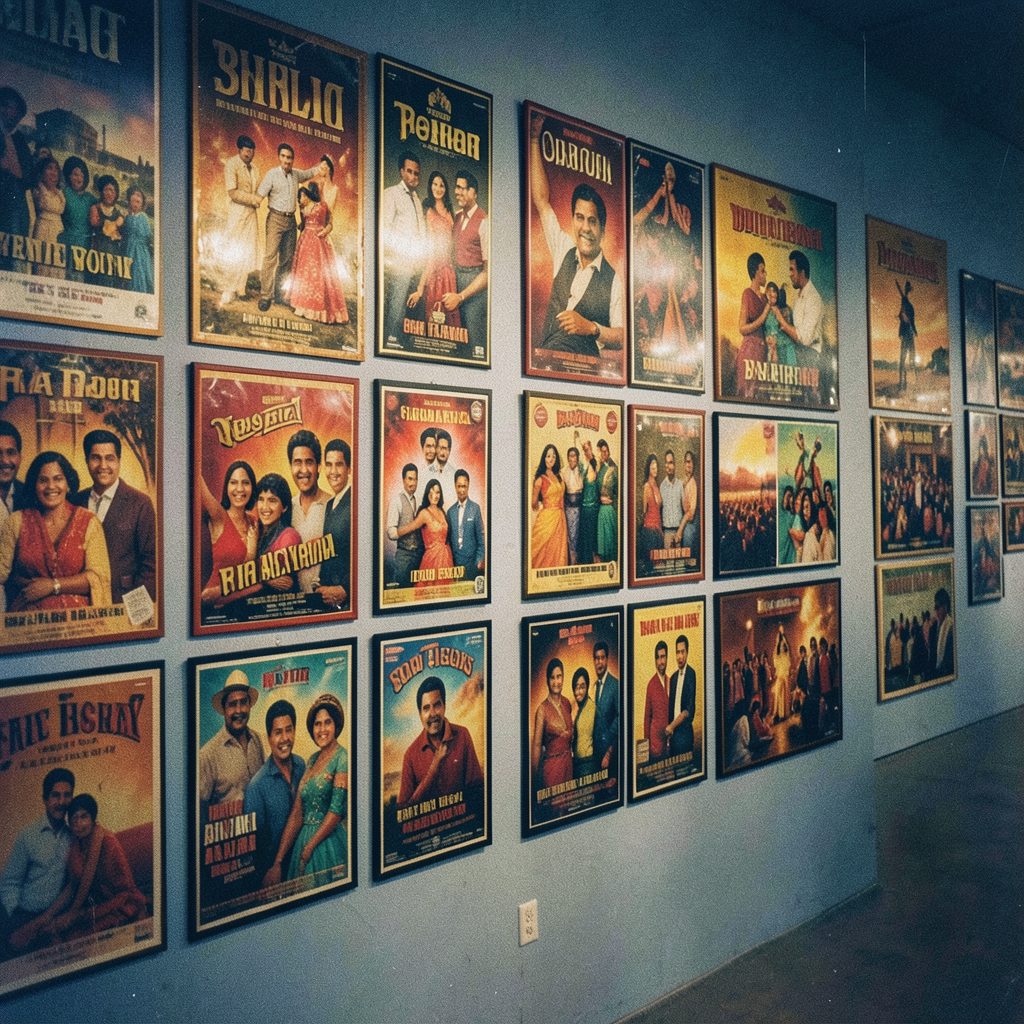
Hindi cinema has long celebrated its acting dynasties, with fathers and sons sharing the silver screen across generations. From the talkies of the 1940s to the multiplex releases of the streaming age, these family pairings carry both legacy and lived chemistry. Audiences sense the unspoken shorthand, the shared mannerisms, and the gentle passing of the baton that no casting director can manufacture.
For viewers in Australia, these films travel far beyond their original release dates. Many of these titles are available on local streaming services, while community screenings pop up from Parramatta to Footscray. The Indian Film Festival of Melbourne regularly programs classics, and suburban dance studios in Brisbane and Sydney keep the songs alive through weekend workshops.
The Kapoor legacy across three generations
No family embodies Hindi cinema's father-son tradition quite like the Kapoors. Prithviraj Kapoor, the patriarch, brought gravitas to early classics such as Mughal-e-Azam and Awara, often appearing opposite his son Raj Kapoor. Raj, who directed and starred in many of these productions, inherited his father's socialist worldview and stagecraft while developing a distinctly romantic, Chaplin-influenced screen persona.
Raj Kapoor later appeared with both his sons, Randhir and Rishi. In the 1971 family drama Kal Aaj Aur Kal, the trio explored generational conflict on screen, with young Rishi playing the rebellious heir. Rishi had already charmed audiences as a child in Mera Naam Joker, and his father's confidence in casting him paid off when Bobby launched the younger Kapoor as the new teen sensation of the mid-1970s.
The Bachchan era: Amitabh and Abhishek
The pairing of Amitabh Bachchan and Abhishek Bachchan has produced some of the most talked-about on-screen chemistry of the last two decades. Their earliest collaborations include the breezy crime comedy Bunty Aur Babli and the multi-starrer Kabhi Alvida Naa Kehna. The father-son dynamic deepened with Ram Gopal Varma's Sarkar series, where the two portrayed a morally complex political family with echoes of The Godfather.
Beyond the dramatic register, the duo has shown a flair for light comedy and family entertainers. Films like Bunty Aur Babli 2 and the home-production television work underline their comfort in each other's presence. For Australian viewers, many of these titles are easily accessible through local streaming catalogues, with Hindi-language audio tracks and English subtitles standard.
Action royalty: Dharmendra and the Deol sons
The Deol household brought a rugged, moustachioed charm to father-son pairings. Dharmendra, the He-Man of 1970s Hindi cinema, shared the frame with both Sunny Deol and Bobby Deol in the sports drama Apne. The 2007 film cast the three generations as a boxing clan, with Dharmendra playing the aging patriarch and his sons portraying brothers with contrasting temperaments.
The Deol family has produced a string of memorable appearances across the years:
- Apne (2007), the three-generation boxing drama that defined the dynasty on screen
- Yamla Pagla Deewana (2011), a road comedy reuniting Dharmendra with both sons
- Yamla Pagla Deewana 2 (2013), the sequel that kept the trio together
- Pal Pal Dil Ke Paas (2019), a directorial collaboration with Karan Deol, Sunny's son
Sunny Deol's independent stardom, built on films like Ghayal and Gadar, often kept him apart from his father on screen, yet the two reunited in Yamla Pagla Deewana, a road comedy that allowed Dharmendra to rediscover his comic timing. Bobby, too, has appeared alongside his father in family entertainers, making the Deols one of the few families to share three generations of screen space.
| Father | Son | Notable Film | Year | Significance |
|---|---|---|---|---|
| Prithviraj Kapoor | Raj Kapoor | Mughal-e-Azam / Awara | 1960 / 1951 | Defined early father-son screen dynamics |
| Raj Kapoor | Rishi Kapoor | Mera Naam Joker | 1970 | Child role that bridged two generations |
| Raj Kapoor | Randhir Kapoor | Kal Aaj Aur Kal | 1971 | Three Kapoors on screen together |
| Shashi Kapoor | Kunal Kapoor | Vijeta | 1982 | Marked Kunal's debut in an earnest drama |
| Dharmendra | Sunny & Bobby Deol | Apne | 2007 | Three generations in a sports drama |
| Amitabh Bachchan | Abhishek Bachchan | Sarkar | 2005 | Political saga built around the duo |
| Anil Kapoor | Harshvardhan Kapoor | AK vs AK | 2023 | Meta comedy reuniting the pair |
Shashi Kapoor and Kunal Kapoor
The youngest brother of Raj and Shammi Kapoor brought a more understated sensibility to the family tradition. Shashi Kapoor, known for his work with Merchant Ivory and his own Prithvi Theatre, shared screen space with his son Kunal in films like Vijeta and Ahista Ahista. Their pairings were less frequent than the Bachchans' or Deols', but carried a quiet, introspective charge.
Kunal's career in front of the camera proved brief, and he later moved into production and direction. Yet the father-son appearances remain touchstones for cinephiles, partly because of their rarity and partly because Shashi's restrained style offered a counterpoint to the louder family dramas of the era.
Modern pairings: Anil Kapoor and Harshvardhan
The Anil Kapoor-Harshvardhan Kapoor pairing represents a contemporary chapter in the tradition. After appearing together in the quirky 2017 film Mirzya and the 2020 streaming release AK vs AK, the duo showed that father-son chemistry could thrive in both arthouse and self-referential formats. Harshvardhan's independent choices, including the Liger experiment, have often drawn on Anil's support, both on and off screen.
This pairing also reflects a wider shift in how families collaborate. Where the Deols built a brand around action, and the Bachchans around stardom, the Kapoors of the 1980s leaned on restraint, and the modern duo leans on versatility. For Australian audiences following these trends through Bollywood-focused social media pages and streaming releases, the variations across eras are easier to track than ever.
Resonance with Australian audiences
These pairings carry a particular warmth for the large Indian diaspora settled across Melbourne, Sydney, Perth, and Brisbane. Community radio stations in Harris Park and temple cultural evenings in Dandenong frequently screen retrospectives that include the Deol and Bachchan family films. Local Indian grocers stock imported memorabilia, and suburban multiplexes occasionally programme Father-Son Film Festivals around Father's Day in September.
Several enduring favourites have become staples at Australian family gatherings:
- The Bachchan duo's lighter films, especially Bunty Aur Babli, played at community Diwali events from Melbourne to Adelaide
- Apne, with its three-generation boxing story, remains a frequent pick for screening nights at cultural associations
- Older Kapoor classics are programmed by the Indian Film Festival of Melbourne each year
- Self-referential modern entries like AK vs AK trend on streaming charts across Australia
The appeal is partly nostalgic, partly about identity. Watching a father and son negotiate pride, ageing, and misunderstanding on screen mirrors conversations that play out in homes from Carlton to Cabramatta. Hindi cinema's family trees often double as emotional roadmaps for diaspora viewers.
The tradition of father-son pairings has always offered Hindi cinema more than box-office returns. It gives the industry a living archive of gestures, voices, and temperaments that pass from one generation to the next. For Australian fans, these films are also a way of staying connected to stories shaped half a world away, where a single song, a single raised eyebrow, or a single shared scene can carry an entire family's history across oceans.