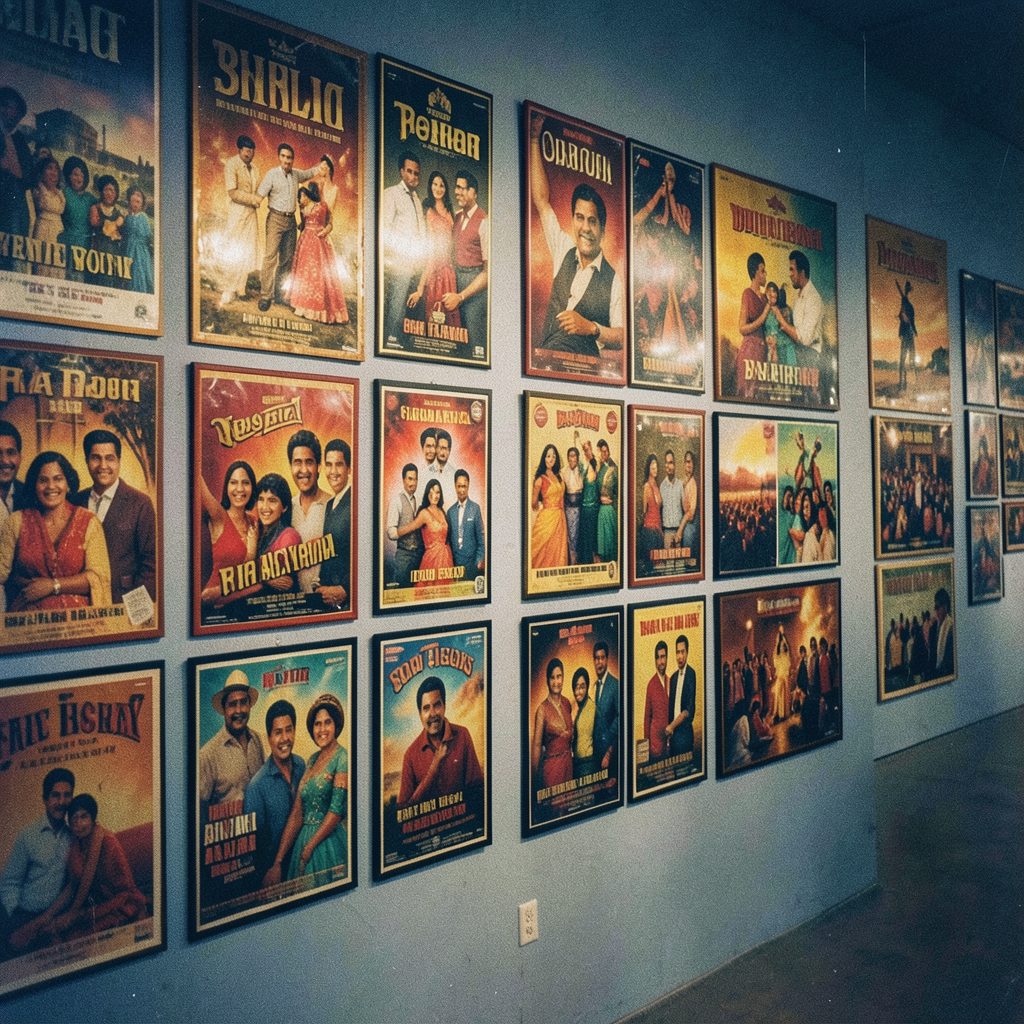

A guide to Bollywood’s annual award season
Bollywood’s annual award season turns the Hindi film calendar into a long-running celebration of performances, filmmaking, music, costumes, and celebrity culture. Ceremonies begin appearing after the major theatrical releases of the year, then continue through televised galas, international shows, critics’ events, and industry functions.
The awards do different jobs. Some reflect popular taste and box-office visibility, while others focus on artistic merit, technical craft, or a film’s national cultural value. Understanding that distinction makes it easier to follow nominations without treating every trophy as an identical measure of success.
For fans, the season is also a fashion parade, a source of memorable acceptance speeches, and a useful snapshot of which films and performers have shaped the conversation. A reliable entertainment outlet such as Wassupbollywood can help track nominations, winners, red-carpet appearances, release news, and the debates that follow each ceremony.
How the award calendar takes shape
The cycle usually gathers momentum once the year’s major Hindi releases have had time to reach audiences. Films released late in the calendar year can remain important during the following season, especially when voting bodies set eligibility deadlines that differ from one another. This is why awards coverage can feel disconnected from the release calendar.
Nominations are commonly influenced by box-office performance, critic reviews, audience response, campaign visibility, and the reputation of a production house. Voting systems vary widely. Some ceremonies use industry juries, some combine professional voters with public voting, and others divide categories between popular and critics’ awards.
The ceremony itself is only part of the story. Announcement events, nominee interviews, promotional performances, styling moments, and post-show reactions help turn an awards night into a full entertainment news cycle.
Filmfare and the mainstream benchmark
The Filmfare Awards remain one of the most recognizable Hindi cinema honors. Their appeal comes from a blend of industry prestige, public familiarity, major acting and directing categories, and a highly visible televised presentation. The famous black trophy has become a symbol of mainstream Bollywood recognition.
Filmfare generally offers a broad category spread. Best Film, Best Director, acting honors, supporting performances, screenplay, dialogue, music, lyrics, playback singing, and technical categories give viewers a detailed look at a film’s strengths. Popular awards may sit alongside critics’ honors, creating useful contrasts between mass appeal and specialist opinion.
The event is also designed as a spectacle. Dance performances, celebrity hosts, reunions, tributes, and fashion statements attract viewers who may not follow voting procedures closely. For a major commercial release, a strong Filmfare nomination often extends its cultural life after the theatrical run has ended.
IIFA brings Bollywood to a global audience
The International Indian Film Academy Awards, better known as IIFA, place Hindi cinema in an international setting. The ceremony has been staged in different cities and markets, giving it a strong diaspora connection and allowing Bollywood’s stars to meet audiences outside India.
IIFA offers familiar competitive categories across acting, direction, film, music, and technical achievement. Its international positioning is especially valuable for films with a global fan base, since the event links the Hindi film industry with overseas viewers, sponsors, tourism campaigns, and live entertainment.
The location can shape the character of the show. A destination ceremony tends to include cultural showcases, large-scale stage production, and extensive celebrity coverage. For fans, IIFA is often as much about the event atmosphere and red carpet as it is about the winners.
National honors and critics’ viewpoints
The National Film Awards occupy a different place from commercial award shows. They recognize Indian cinema through an official national framework and include films from multiple languages, regions, and cinematic traditions. A Hindi film may compete in a wider field rather than being judged only against mainstream Bollywood titles.
These awards can honor acting, direction, writing, music, cinematography, editing, sound, and broader film achievement. Their emphasis is generally associated with artistic, technical, social, or cultural value. A film that receives limited attention at glamorous televised events can still gain lasting stature through national recognition.
Critics’ ceremonies and specialist groups add another layer. They often reward restrained performances, unusual storytelling, independent productions, debut work, or technical decisions that may not dominate public voting. Comparing critics’ choices with popular awards reveals how different communities define excellence.
Popular ceremonies and specialist categories
Zee Cine Awards and similar televised ceremonies appeal strongly to mainstream audiences. They tend to combine competitive prizes with public participation, celebrity performances, and categories that recognize entertainment value. Depending on the edition, awards may be separated into critics’ and popular sections, giving the program a wider range of winners.
Dadasaheb Phalke International Film Festival Awards and other industry-focused events contribute to the crowded calendar, although their visibility and category structures can change from year to year. Some ceremonies emphasize emerging talent, regional cinema, television, or digital entertainment alongside Hindi films.
Music awards deserve particular attention because songs are central to Bollywood’s identity. Categories for playback singers, composers, lyricists, background score, and music albums can highlight creative contributors who receive less attention during acting-led coverage. A song’s popularity, streaming reach, choreography, and placement within a film may all influence its awards-season profile.
| Ceremony or award stream | Main emphasis | What fans can watch for |
|---|---|---|
| Filmfare Awards | Mainstream industry recognition and critics’ honors | Acting, direction, music, speeches, and red-carpet fashion |
| IIFA | Global presentation of Hindi cinema | Overseas fan engagement, performances, and destination glamour |
| National Film Awards | National-level artistic and technical achievement | Cross-language competition and serious film recognition |
| Zee Cine Awards | Popular entertainment and audience visibility | Public voting, star appearances, and televised spectacle |
| Critics’ awards | Artistic judgment and specialist opinion | Debuts, subtle performances, writing, and craft categories |
| Music-focused honors | Songs, scores, lyrics, and playback work | Chart success, vocal performances, and composer recognition |
Reading nominations beyond the trophy count
A nomination can matter even when a performer or film does not win. It may increase visibility, strengthen a campaign, attract streaming interest, and influence future casting or production decisions. For newcomers, a nomination can establish credibility more quickly than a successful opening weekend alone.
Award results should also be read in context. A popular film may dominate public categories because of its reach, while a smaller production may collect critics’ or technical honors. Neither result automatically invalidates the other. Different juries are responding to different standards, audiences, and forms of evidence.
The timing of a win matters as well. A film may gather momentum through several nominations before reaching a major ceremony, or it may receive one significant honor after being overlooked elsewhere. Tracking the complete season gives a fuller picture than focusing on a single headline.
A practical viewing checklist
Fans can make award season easier to follow by separating the ceremony’s purpose from its entertainment packaging. A spectacular show may have a relatively conventional voting structure, while a low-key presentation may carry considerable professional weight.
Useful habits include:
- Check the eligibility period before comparing films from different release years.
- Separate popular, critics’, jury, and technical categories when reading results.
- Watch acceptance speeches and tribute segments for industry context.
- Track music, costume, editing, sound, and production design alongside acting prizes.
- Compare nominations across several ceremonies instead of relying on one winner.
It is also worth keeping a personal shortlist. Note the performances, songs, scenes, and technical choices that stood out before seeing the nominees. This makes the season more engaging and helps distinguish genuine viewing preferences from campaign momentum or social-media buzz.
Follow the season as a developing Bollywood story rather than a single night of winners. Keep up with nominations, ceremony dates, red-carpet coverage, box-office context, reviews, and post-award reactions through Wassupbollywood’s entertainment coverage, and let each award show add another perspective to the year in Hindi cinema.