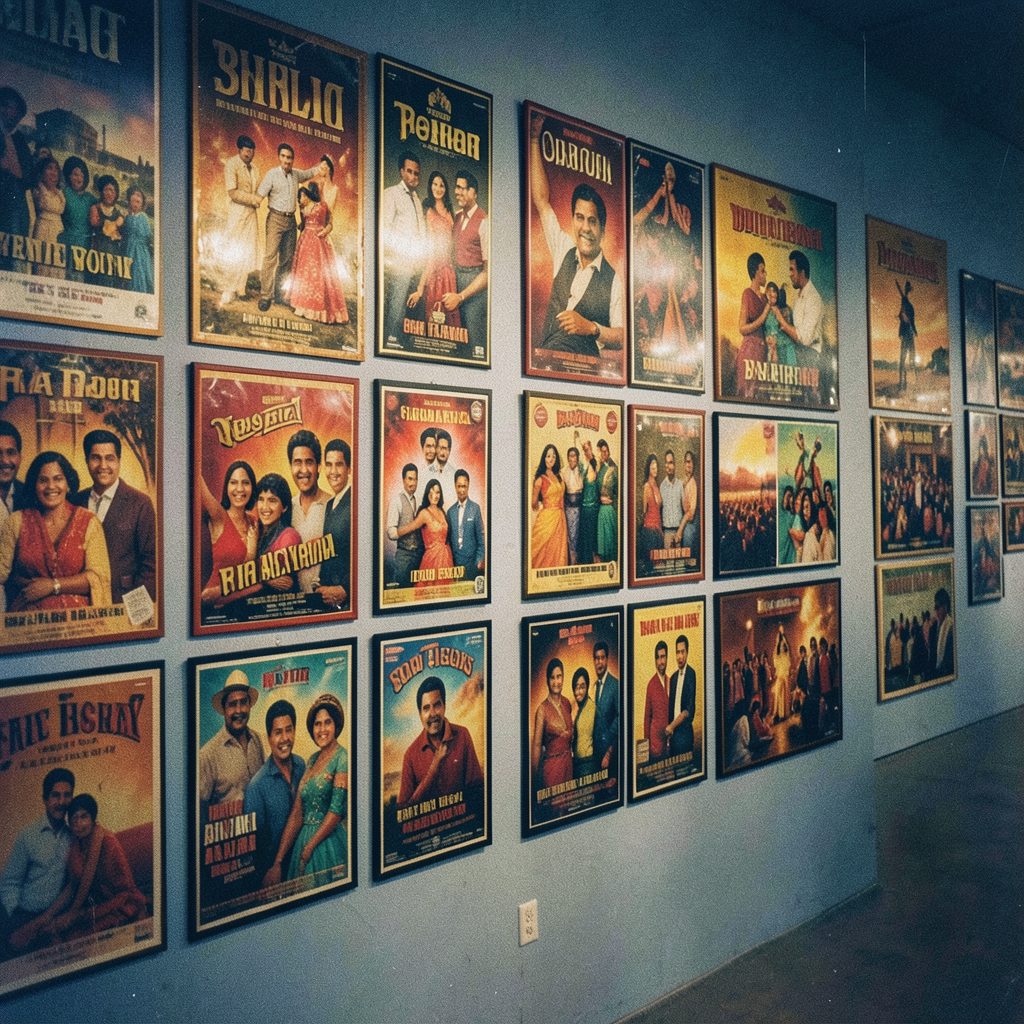

How Bollywood's Biggest Song Remixes Still Pack Dance Floors
Bollywood's love affair with the song remix is one of the most distinctive features of modern Hindi film music. What began as a way to refresh old melodies has grown into a multi-million-dollar industry that shapes playlists, wedding setlists, and club nights from Mumbai to Melbourne. In Australia, where the Indian diaspora runs deep in suburbs like Harris Park in Sydney and Dandenong in Melbourne, these remixed tracks are more than nostalgia—they are the soundtrack to family gatherings, community events, and dance classes.
The format works because it blends the familiar with the new. A melody that an auntie knows by heart can be reinvented with a thumping bassline, a fresh vocal flourish, and a beat that feels at home next to global pop hits. For younger fans, remixes offer a gateway into a back catalogue they might never have explored. For older listeners, they offer proof that a beloved classic still has life in it.
The most successful examples reveal a clear pattern. Tracks like "Tum Hi Ho," "Chaiyya Chaiyya," and "Kal Ho Naa Ho" have all been reinvented in ways that dominated streaming charts and wedding DJ requests. Each version introduced something fresh while keeping the hook that made the original memorable.
What makes the Bollywood remix scene unique is how openly it borrows from its own heritage. A producer can pull a Lata Mangeshkar refrain from the 1970s, layer it over a 2020s dance production, and call it an original work. That freedom is part of why remixes have remained so central to the industry's commercial strategy, and why Australian fans streaming on a long weekend arvo will often hear one playing in the background without realising its history.
Why Remixes Became A Bollywood Staple
The remix is not a new concept in Hindi cinema. The 1990s saw a wave of club remixes sold alongside film soundtracks on cassette, credited to DJs who extended tracks for late-night listening. As digital distribution replaced physical media, the format simply migrated online.
Producers favour remixes because the original melody is already a known quantity, avoiding the risk of writing something completely new. A well-executed remix can perform like a brand-new single, charting on streaming platforms and earning film promotion in the process. In Australia, this trend shows up clearly in the wedding circuit, where Indian-Australian couples often book DJs who can move seamlessly between nostalgic classics and current remixed hits.
Classic Tracks That Got The Remix Treatment
A handful of songs appear again and again in the remix charts. "Dil Lagi," originally sung by Asha Bhosle for the 1979 film Dooriyaan, has been reinvented multiple times, including a popular 2003 version that introduced the track to a new generation. "Mundian To Bach Ke," a Punjabi folk tune that found global fame through Panjabi MC, also crossed over into Hindi film remixes.
The appeal of these originals lies in their melodic strength. A simple, memorable hook can survive any production treatment, from minimalist piano versions to heavy electronic arrangements. Producers gravitate toward songs whose core melody is strong enough to anchor an entirely new production.
The Biggest Hits And Their Commercial Performance
Several remixes have achieved numbers that rival original singles. "Param Sundari" from Mimi became one of the most-streamed Bollywood tracks of 2021, with its official remix versions earning tens of millions of plays on YouTube. "Kala Chashma," a remix of the 1990 track originally performed by Amar Arshi, became a wedding anthem across the Indian diaspora and held a top spot on Indian music charts for weeks.
Streaming platforms make it easier than ever to measure a remix's reach. YouTube, Spotify, and JioSaavn all track individual versions, and the data often shows that the remix outperforms the original. Australian audiences contribute to these numbers in a meaningful way, with Sydney and Melbourne consistently ranking among the top cities globally for Bollywood streaming.
Production Styles And The Sound Of Remixes
Modern Bollywood remixes fall into a few broad production categories. The most common is the radio edit, which tightens the song's structure and adds a contemporary beat. Another is the club mix, designed for dance floor play with heavier bass. A third is the acoustic rework, which strips back the production and lets the melody breathe.
The influence of global EDM is hard to miss. Producers cite artists like Calvin Harris and David Guetta as inspiration, and the Bollywood remix has absorbed drops, builds, and synth textures that would feel at home in a Western pop track. At the same time, the tabla and dholak remain central, anchoring the sound in South Asian tradition.
Backlash And The Cultural Debate
The remix format has its critics. Purists argue that recycling old melodies stifles creativity and turns Hindi film music into a loop of self-quotation. They point out that some of the most successful remixes of recent years have been covers of tracks released less than a decade earlier, raising questions about how much reinvention is actually taking place.
Defenders counter that every musical tradition borrows from itself. They note that many original film songs draw on folk tunes, classical ragas, and earlier hits, and that remixes are simply the latest chapter in a long conversation. The debate has occasionally spilled into legal territory, with rights holders raising concerns about credit and compensation.
How Australian Audiences Connect With These Remixes
In Australia, Bollywood remixes have carved out a distinct cultural space. Bollywood dance schools across Sydney, Melbourne, and Brisbane teach routines set to remixes rather than originals, because the modern production keeps the choreography feeling current. Weddings in Indian-Australian communities often feature DJs who specialise in moving between classic filmi songs and their remixed counterparts, keeping guests on the dance floor all night.
The Indian Film Festival Melbourne has embraced remixes as part of its opening nights. Indian grocery stores in Harris Park and Dandenong often play Bollywood remix playlists during peak shopping hours. Even a brekkie catch-up with mates at a suburban café can include a remix playing softly in the background, and Australian platforms like Stan and SBS on Demand host Bollywood catalogues where remixes are the entry point.
Remixes That Became Cultural Moments
A few remixes have transcended the format to become cultural events. "Chaiyya Chaiyya" from the 1998 film Dil Se was already iconic, and its use in the 2006 soundtrack of Inside Man introduced it to global audiences. "Jai Ho" from Slumdog Millionaire later blended its Bollywood roots with Hollywood visibility, winning an Oscar.
Federation Square events during cultural festivals have featured remixed Bollywood setlists, drawing both diaspora crowds and curious first-timers. These moments illustrate why remixes matter: they are not just commercial products but bridges between generations, between the original release and its contemporary audience, between the cinema hall and the dance floor.
| Remix | Original Track | Original Film | Lead Performer | Standout Moment |
|---|---|---|---|---|
| Kala Chashma (Remix) | Kala Chashma | Baadshaho (orig. 1990s origin) | Amar Arshi, Badshah | Wedding circuit anthem across the Indian diaspora |
| Tum Hi Ho (Remix) | Tum Hi Ho | Aashiqui 2 (2013) | Arijit Singh | Streamed heavily on Spotify, top Sydney playlists |
| Param Sundari (Remix) | Param Sundari | Mimi (2021) | Shreya Ghoshal | Featured in global dance compilations |
| Saami Saami (Hindi Version) | Saami Saami | Pushpa (2021, Telugu original) | Sunidhi Chauhan | Crossover hit connecting Telugu and Hindi audiences |
| Chaiyya Chaiyya (Remix) | Chaiyya Chaiyya | Dil Se (1998) | Sukhwinder Singh | Used in international film soundtracks and stage shows |
The takeaway is simple. Bollywood remixes are a deliberate strategy that has produced some of the most successful Hindi film tracks of the past two decades. The format thrives because it offers nostalgia for older listeners, freshness for younger fans, and a guaranteed crowd-pleaser for DJs. In Australia, the Indian community has built a thriving cultural scene from Harris Park to Dandenong where these tracks form part of the everyday soundtrack. Anyone at a Bollywood wedding in Sydney, a dance class in Melbourne, or a community event in Brisbane will hear these remixes working their quiet magic. They prove that a great melody, given the right treatment, never really goes out of style.