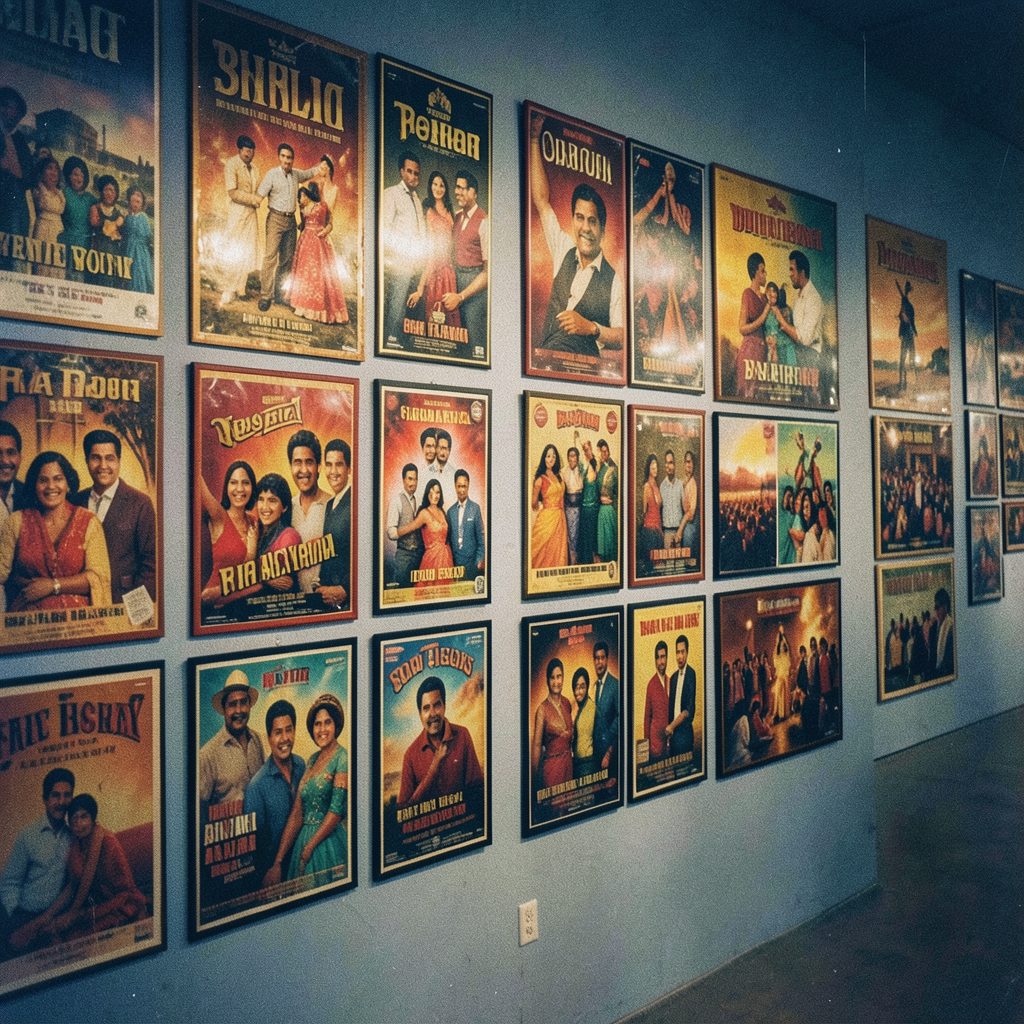

Why Madhuri Dixit remains Bollywood’s dancing queen
In Hindi cinema, few performers have made dance feel as essential to storytelling as Madhuri Dixit. Her movements were precise, graceful and emotionally charged, yet they never appeared separate from the character she played. Whether portraying a romantic heroine, a determined woman or a performer living under pressure, she used dance to reveal personality.
Her reputation rests on much more than memorable songs. Dixit brought classical discipline, expressive acting, musical timing and a striking screen presence into the same frame. That combination helped transform the Bollywood dance sequence from a decorative break into one of the industry’s most powerful storytelling tools.
Years after her most celebrated films, her songs remain part of weddings, stage shows, television competitions and social media performances. New generations continue to study her expressions, recreate her choreography and discover why her name remains closely associated with cinematic dance.
Grace rooted in classical discipline
Madhuri Dixit’s training in Kathak gave her dancing a strong technical foundation. The form’s footwork, spins, hand gestures and rhythmic control can be seen throughout her performances, even when the choreography is adapted for mainstream Hindi film music. Her technique gave her movement clarity without making it look rigid.
The real strength of her style was the way she softened formal training for the camera. A raised eyebrow, a controlled turn of the head or a brief pause could communicate teasing, longing, confidence or heartbreak. These details gave her dance numbers a dramatic vocabulary that audiences could understand instantly.
Her classical influence also helped her maintain balance and posture during demanding choreography. Fast steps never overwhelmed her expressions, while slower passages retained tension and elegance. This command of rhythm allowed choreographers to build songs around her strengths rather than simply place her inside a routine.
Expression made every step memorable
Many Bollywood performers can execute complicated choreography, but Dixit made the audience feel the emotion behind each movement. Her eyes often carried as much meaning as her hands or feet. She could shift from playful to vulnerable within a few seconds, giving a song its changing emotional temperature.
This quality was especially effective in romantic and dramatic numbers. In “Didi Tera Devar Deewana,” her performance combines mischief, celebration and flirtation. In “Humko Aaj Kal Hai Intezaar,” she projects youthful anticipation through small gestures and quick changes in expression. “Choli Ke Peeche Kya Hai” shows her ability to command a large-scale performance with confidence and theatrical energy.
Her dance acting also made songs accessible to viewers who did not focus on technique. Audiences might not identify a particular mudra or rhythmic pattern, but they could recognize excitement, jealousy, seduction or joy. Dixit’s gift was turning technical skill into immediate emotional communication.
Songs that became part of popular culture
Dixit’s filmography contains an extraordinary collection of iconic Bollywood dance songs. “Ek Do Teen” introduced a bright, energetic star who could hold a song’s entire visual world. “Dhak Dhak Karne Laga” blended sensuality with restraint, while “Maar Daala” used classical-inspired movement to create a mood of longing and emotional surrender.
Her collaborations with leading choreographers also shaped the visual language of Hindi cinema. Saroj Khan’s work with Dixit remains especially influential because it paired intricate choreography with strong narrative intention. The performances were designed around character, costume, music and camera movement, creating sequences that audiences remembered as complete cinematic experiences.
| Song or performance | Film | Distinctive quality | Lasting influence |
|---|---|---|---|
| “Ek Do Teen” | Tezaab | Fast footwork and exuberant expressions | Established the modern female dance-star image |
| “Humko Aaj Kal Hai Intezaar” | Sailaab | Playful rhythm and expressive storytelling | Remains popular in stage and television tributes |
| “Didi Tera Devar Deewana” | *Hum Aapke Hain Koun..! * | Festive energy and comic flirtation | Became a staple of wedding and family celebrations |
| “Maar Daala” | Devdas | Classical styling and emotional intensity | Showcased dance as dramatic performance |
| “Chane Ke Khet Mein” | Anjaam | Bold personality and rhythmic attack | Demonstrated her command of high-energy choreography |
| “Que Sera Sera” | Pukar | Playful contemporary movement | Reflected her ability to evolve with changing music trends |
These songs have survived shifts in fashion, sound and choreography because they possess clear identities. Their hooks are recognizable, their visual compositions are strong and Dixit’s performances give them emotional memory. A listener may forget a film’s plot while remembering exactly how she entered a song or delivered its signature gesture.
A star who balanced glamour and character
Dixit’s dance appeal was closely connected to her acting career. She did not treat songs as isolated showcases; she used them to strengthen the heroine’s presence within the film. Her performances could make a character appear independent, flirtatious, mischievous, wounded or triumphant before the script explained those qualities through dialogue.
This balance helped her succeed across genres. In family entertainers, her dance carried warmth and humor. In romantic dramas, it expressed desire and uncertainty. In intense films, her movement could become a form of emotional release. The dance queen image never reduced her to choreography because her acting always remained visible inside the performance.
Her glamour was equally adaptable. She could appear regal in a classical costume, vibrant in a festive ensemble or contemporary in a Western-inspired look. Costumes and styling became part of her screen identity, yet they worked because her body language gave each visual choice a distinctive personality.
Longevity through reinvention
The most impressive part of Dixit’s legacy is her ability to remain relevant across different phases of Bollywood. The choreography, music production and editing styles of the 1980s and 1990s changed significantly in later decades, but she continued to adjust her performance without abandoning her core strengths.
In films such as Aaja Nachle, she presented dance as a community language and a way to revive cultural confidence. Later appearances in movies including Dedh Ishqiya, Gulaab Gang and Kalank showed a performer comfortable with maturity, authority and dramatic complexity. Her screen presence no longer depended on playing the youngest woman in the story.
Television dance shows and digital platforms have expanded her reach further. As a judge, guest performer or cultural reference, she represents a standard of polish that younger artists still admire. Her influence can be seen in contestants who imitate her spins, study her facial expressions or recreate her famous song sequences for viral videos.
What aspiring performers can learn from her
Madhuri Dixit’s legacy offers practical lessons for dancers and actors who want to build a durable screen presence:
- Train the body rigorously, but allow movement to serve the character.
- Treat facial expressions as part of choreography rather than an afterthought.
- Develop musical timing so that pauses feel as intentional as fast steps.
- Adapt to new styles while preserving a recognizable personal identity.
- Understand costume, camera angles and song lyrics as elements of performance.
These principles explain why her work continues to be studied beyond nostalgia. Her success was based on preparation, interpretation and communication, not simply on physical flexibility or fashionable choreography. She made difficult movement appear natural because the emotion arrived first.
Her performances also remind Bollywood that a female star can be glamorous, technically accomplished and dramatically serious at the same time. She could lead a celebration song, dominate a romantic sequence and anchor a demanding character role without losing credibility in any of those spaces.
The legacy keeps moving
Madhuri Dixit remains Bollywood’s dancing queen because she gave dance a complete cinematic personality. Her technique created elegance, her expressions created emotional access and her acting gave every major performance a reason to exist. Together, these qualities produced moments that continue to define Hindi film music.
For fans of Bollywood songs, classic choreography and enduring screen icons, her work offers an evergreen journey through rhythm, glamour and storytelling. Explore Wassupbollywood’s film reviews, music coverage, celebrity updates and visual features to revisit the performances that made Madhuri Dixit an unmatched force in Hindi cinema.