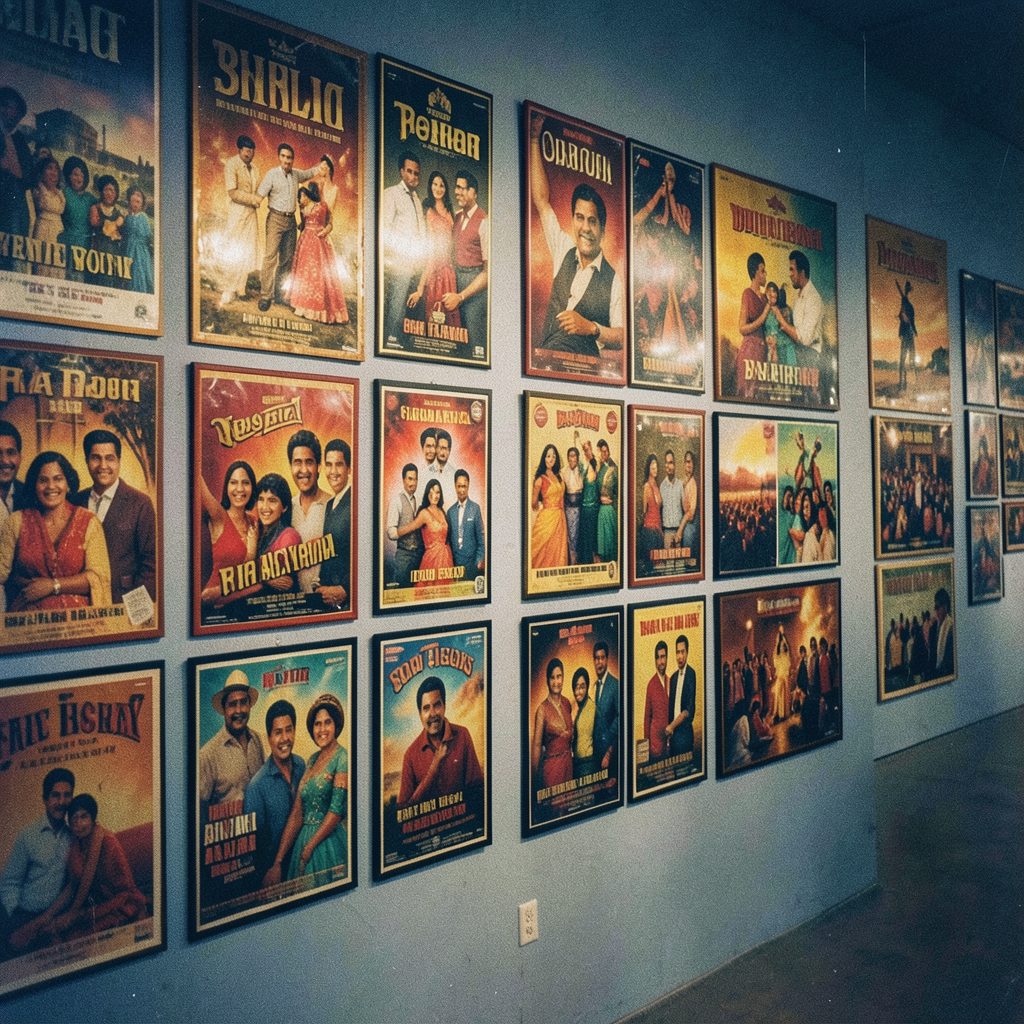

Why Bollywood Is Releasing Fewer Movies This Year
The Hindi film industry is entering a more selective phase. Audiences still turn out for major spectacles, established stars and strong word-of-mouth releases, but the era of filling every weekend with a new theatrical title has clearly weakened. Fewer films are reaching cinemas because studios are reassessing budgets, release dates and the risks attached to theatrical distribution.
This slowdown does not mean Bollywood has stopped producing content. Production continues across Hindi cinema, streaming platforms, regional collaborations and franchise projects. The visible change is that fewer films are being pushed into crowded release windows before distributors are confident about their commercial prospects.
The shift reflects several connected pressures: rising production costs, uneven box office performance, changing viewer habits and the growing importance of digital rights. A smaller release slate can therefore represent caution rather than decline, especially when studios are trying to protect margins in a market where one expensive failure can affect an entire quarter.
The Box Office Has Become Less Predictable
Bollywood’s theatrical business has become sharply divided between event movies and ordinary releases. Large-scale action films, sequels, franchise titles and films featuring major stars can create significant opening-day interest. Smaller dramas and mid-budget comedies, however, often struggle to persuade viewers to leave home when streaming access arrives quickly after the cinema run.
This uncertainty makes release planning more difficult. A film may have recognizable actors and a polished campaign yet fail to generate momentum beyond its opening weekend. Distributors are consequently examining trailer reactions, advance bookings, social media engagement and regional appeal before committing to a broad release.
The unpredictability also affects exhibitors. Cinema chains need dependable footfall, while studios want favorable screen allocations. When several films appear commercially uncertain, distributors may delay releases rather than accept weak showings, limited screens and disappointing first-weekend collections.
High Budgets Are Raising Theatrical Risk
Hindi films now carry larger costs in several areas, including actor remuneration, visual effects, overseas schedules, action design, marketing and post-production. A movie that once needed a moderate audience to recover its investment may now require strong domestic collections, profitable satellite rights and a valuable streaming deal.
Star fees remain one part of the calculation, but production inflation is equally important. International shoots, elaborate sets and extended schedules can push a project beyond its original budget. If the finished film receives mixed reviews, lowering ticket prices or extending the theatrical run may not be enough to restore profitability.
Studios are responding by approving fewer projects at a time and demanding clearer commercial logic. Some are reducing scale, while others are concentrating resources on known intellectual property. This explains why the annual release calendar can look thinner even when industry activity behind the scenes remains substantial.
Streaming Has Changed The Release Equation
Streaming platforms have expanded the market for Hindi-language content, but they have also altered how audiences judge theatrical value. Many viewers now wait for a digital premiere unless a film offers spectacle, star power, a communal viewing experience or strong critical buzz. The shorter gap between cinema and streaming has made that waiting strategy easier.
Digital rights can still provide an important revenue stream, particularly for films with recognizable casts or broad language appeal. Yet platforms have become more selective about acquisition prices. They are evaluating viewership potential, genre performance, cast strength and long-term library value rather than automatically paying a premium for every completed film.
This creates a complicated business model. A studio may no longer be able to rely on a lucrative streaming sale to cover an inflated theatrical budget. At the same time, delaying a digital release can frustrate audiences and reduce online momentum. The result is a more cautious approach to greenlighting and scheduling.
Release Dates Are Being Chosen More Carefully
Holiday weekends remain valuable, but they are increasingly competitive. Eid, Diwali, Christmas and national holidays can deliver strong footfall when a film has the right scale and audience appeal. A weak title placed in a premium window, however, can waste marketing money and leave cinemas underused.
Studios are therefore moving projects to avoid clashes with major franchises, cricket tournaments, elections, international events and other attention-heavy occasions. Some films are also being held back until post-production is complete, especially when visual effects or reshoots could influence audience perception.
The result is an uneven calendar. One month may contain several heavily promoted releases, followed by a relatively quiet period. Fans tracking the Bollywood release calendar may see frequent date changes, postponed openings and films shifting between theatrical and streaming plans.
Audience Preferences Are Reshaping Film Supply
Viewer expectations have changed since the pandemic. Audiences are more willing to reject films they consider repetitive, poorly reviewed or overpriced. They also have access to international cinema, South Indian productions, Korean entertainment and streaming originals, which gives them more alternatives than before.
This competition has raised the standard for Hindi releases. A conventional storyline must now offer an unusual performance, distinctive treatment, compelling music or a subject with strong emotional relevance. Films that once might have received a routine theatrical launch are increasingly being redirected to digital platforms or held until the marketing strategy is clearer.
Genres are affected unevenly. Action spectacles and horror films can benefit from a collective cinema experience, while intimate dramas often face greater pressure. Comedy remains capable of attracting audiences, but its success depends heavily on reviews and word of mouth rather than only on advertising.
| Industry pressure | Effect on release decisions | Likely outcome |
|---|---|---|
| Rising production budgets | More scrutiny before approval | Fewer high-risk projects |
| Uneven opening weekends | Cautious distributor commitments | Delayed or narrower releases |
| Strong streaming competition | Greater demand for theatrical value | More direct-to-digital titles |
| Crowded holiday windows | Avoidance of major clashes | Date changes and gaps |
| Changing audience habits | Higher quality expectations | Selective greenlighting |
Theatrical And Digital Strategies Are Converging
The industry is gradually moving toward a film-by-film model rather than a universal theatrical formula. A large action title may receive a wide release with premium ticket pricing, while a niche drama may use festivals, limited screenings and a carefully timed streaming debut. This approach can reduce waste and match distribution with the likely audience.
Co-productions are also becoming more important. Partnerships between studios, streaming services, regional industries and international distributors can spread financial exposure. Hindi films with multilingual potential may receive broader attention, while projects designed for a specific audience can avoid the cost of pretending to be mass-market entertainment.
For viewers, this means release information will become more fluid. Theatrical dates, trailer launches, music promotions and streaming announcements may change as commercial data arrives. Film news sites have an important role in tracking these developments, explaining box office trends and separating genuine production news from promotional speculation.
What A Smaller Release Slate Means
A reduced number of theatrical films can benefit the strongest projects. With fewer competing titles, a well-reviewed movie may secure more screens and enjoy a longer run. Marketing campaigns can also focus on fewer launches, allowing studios to build stronger awareness around films they genuinely believe can perform.
There are risks as well. Fewer releases may limit opportunities for newcomers, independent filmmakers and unusual stories. If studios focus too heavily on sequels and established stars, Hindi cinema could become less diverse even while individual blockbusters grow larger.
The healthiest outcome would be a more balanced release ecosystem: disciplined budgets for mid-range films, sensible star fees, better screen access and clearer positioning across cinema and streaming. A smaller calendar is useful only if it improves the quality and sustainability of the films that reach audiences.
Signals Worth Watching
- Whether mid-budget films receive realistic production costs and marketing support
- How quickly studios announce or change theatrical release dates
- The gap between cinema premieres and streaming availability
- Audience response to original stories outside major franchises
- Box office performance during non-holiday weeks
Bollywood’s quieter release calendar is best understood as a correction in strategy. Studios are reducing exposure, distributors are demanding stronger evidence of demand, and audiences are reserving their money for films that feel worth the cinema experience. The industry is still active, but its growth model is becoming more selective and data-driven.
Follow Wassupbollywood for release updates, trailer coverage, box office analysis and the latest developments shaping Hindi cinema’s next phase.