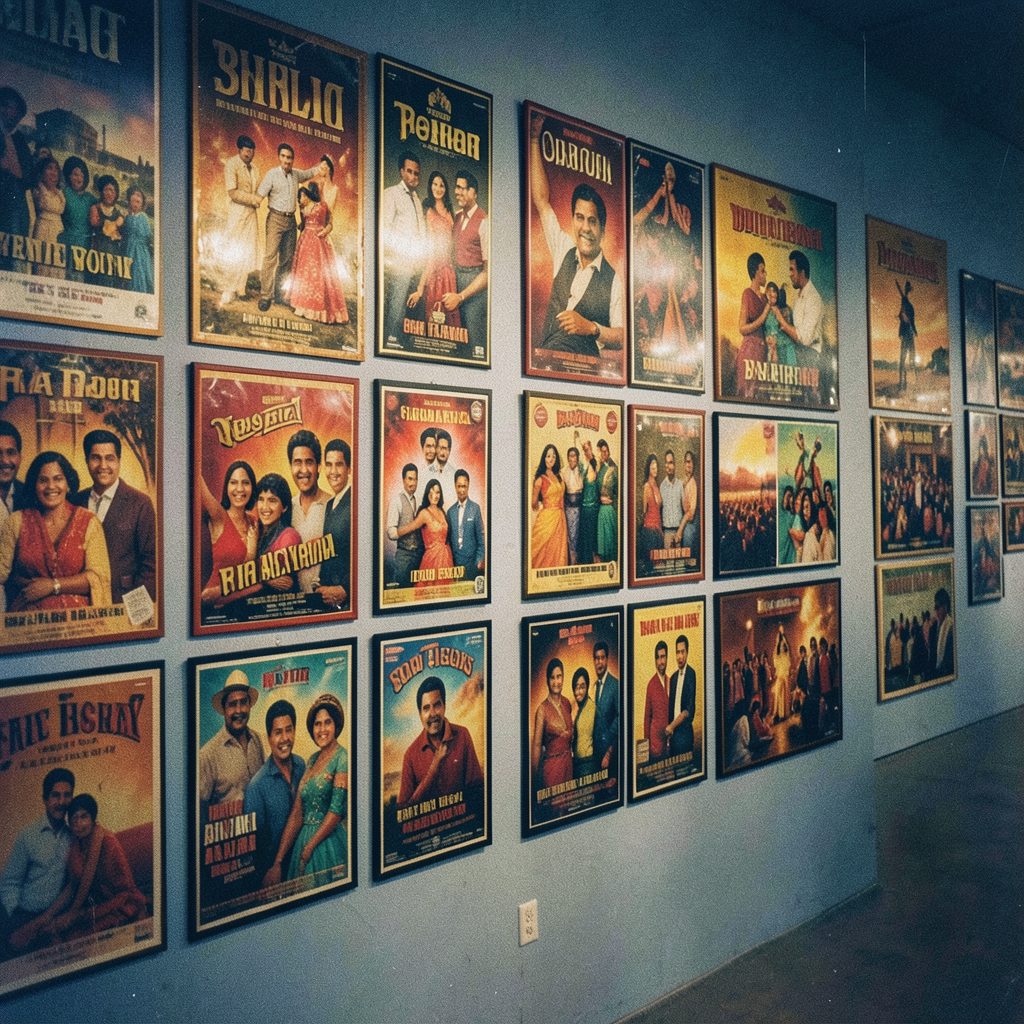

What the Rise of Regional Cinema Means for Bollywood’s Market Share
For decades, Bollywood occupied the center of India’s theatrical conversation. Hindi films travelled widely, Hindi-speaking stars attracted national attention, and major releases often received the largest screens and marketing budgets. That dominance has weakened as audiences across the country have become more willing to watch films in Tamil, Telugu, Malayalam, Kannada, Marathi, Bengali and other Indian languages.
The rise of regional cinema does not mean Hindi films are disappearing. It signals a redistribution of attention, revenue and cultural influence. Viewers now choose stories based on scale, originality, reviews and emotional connection rather than language alone. A strong regional release can compete directly with a heavily promoted Bollywood production in major cities, smaller towns and the overseas market.
For Bollywood, this shift creates a tougher commercial environment. It also offers a valuable lesson: the future of Indian cinema may belong to films that travel across language boundaries, rather than to one industry claiming the entire national audience.
Regional Audiences Have Gained More Choice
The expansion of multiplexes, affordable smartphones and streaming platforms has made Indian viewers more familiar with cinema from outside their home states. A Telugu action drama, Malayalam thriller or Tamil science-fiction film can quickly become a national talking point through subtitles, dubbed versions, social media clips and fan communities.
This change has reduced the old divide between “mainstream” and “regional” entertainment. Audiences in the Hindi belt now follow performers such as Vijay, Allu Arjun, Yash, Fahadh Faasil and Rashmika Mandanna, while viewers in southern markets closely track major Hindi releases. Popularity is increasingly built around individual films and stars instead of a fixed language hierarchy.
Regional industries have also developed distinctive storytelling identities. Malayalam cinema is respected for grounded writing, Tamil films often combine social themes with commercial energy, Telugu cinema has demonstrated blockbuster ambition, and Kannada productions have shown how local stories can achieve pan-India scale. These identities give audiences a reason to seek out films beyond familiar Bollywood formulas.
The Economics Of A Pan-India Release
A successful regional film can now earn from several revenue streams at once. The domestic theatrical market remains important, yet dubbed versions, overseas screenings, satellite rights, music rights and digital premieres expand the commercial life of a film. A production that performs strongly in its original language may gain additional momentum after a carefully managed release in Hindi and other languages.
This model has changed the meaning of a “national” film. In the past, a Hindi release could be distributed across India with limited adaptation. Today, a film needs culturally sensitive promotion, strong dubbing, suitable release timing and local partnerships. Screen allocation is also influenced by advance bookings and audience demand, giving exhibitors a reason to support films that can generate repeat visits.
The following comparison shows how the competitive picture has evolved:
| Market Factor | Traditional Bollywood Advantage | Current Regional Cinema Strength | Impact On Market Share |
|---|---|---|---|
| Language reach | Immediate access to Hindi-speaking audiences | Dubbing and subtitles broaden national reach | Hindi films face stronger cross-language competition |
| Star appeal | Long-established nationwide visibility | Powerful state and pan-India fan bases | Star power is now spread across more industries |
| Storytelling | Large budgets and familiar genres | Strong local voices and distinctive themes | Originality has become a major box-office asset |
| Distribution | Wide theatrical networks | Expanding multiplex, single-screen and digital access | Regional titles can secure premium screens |
| Marketing | High promotional spending | Social media, fan clubs and event-led campaigns | Buzz can grow outside traditional media channels |
| Streaming value | Large Hindi subscriber base | Diverse language libraries attract platforms | Content libraries are becoming more multilingual |
Bollywood’s Traditional Strengths Are Being Tested
Bollywood still possesses advantages that regional industries would find difficult to replicate. It has a broad Hindi-speaking base, established studios, major music labels, international recognition and a deep network of distributors. Hindi cinema also benefits from the visibility of Mumbai’s celebrity culture, fashion influence and entertainment media ecosystem.
However, financial scale alone no longer guarantees a major opening. High-profile Hindi films have faced audience resistance when trailers suggest recycled plots, weak visual effects or excessive dependence on star branding. At the same time, modestly budgeted regional films have earned attention through strong writing and positive word of mouth.
The pressure is visible in the changing box-office pattern. A Hindi film may still lead during a holiday weekend, yet its long-term performance depends on audience satisfaction. Regional blockbusters have shown that compelling characters, memorable action and local authenticity can produce national demand. Bollywood must now compete for attention every week, rather than assuming that its language provides automatic priority.
Streaming Has Made Language Less Important
Streaming platforms have accelerated the discovery of regional cinema. Viewers who might once have ignored a film because they could not understand its language can now choose subtitles or dubbed audio within seconds. This has made older films, independent productions and regional classics available to audiences far beyond their original territories.
Digital releases also give niche films a second opportunity. A movie that receives limited theatrical exposure may find a substantial audience online, creating fresh value through reviews, clips and recommendations. For producers, this can improve the commercial case for stories that do not fit conventional Hindi blockbuster templates.
The streaming boom has a complicated effect on Bollywood. It increases the demand for premium Hindi content, but it also places Hindi titles beside the best work from every major Indian film industry. Viewers compare production quality, writing and performances across languages with unusual ease. A weak Hindi release is therefore judged against a much larger field than before.
Stars, Stories And Franchises Must Travel
Bollywood’s star system remains influential, yet stardom is becoming more competitive. Regional actors can now open films nationally when their previous work has created trust among audiences. Their success demonstrates that viewers will accept unfamiliar faces when the film offers spectacle, emotion or a strong social premise.
For Hindi filmmakers, this creates opportunities as well as risks. Collaborations between industries can increase reach, while bilingual productions and multilingual casting can make a story feel genuinely national. Such partnerships work best when they are built around the narrative rather than added as a marketing device.
Franchises may also help Bollywood defend its position, but repetition can weaken them. A recognizable universe has commercial value when each installment brings fresh conflict and memorable characters. Audiences are less willing to reward sequels that appear designed only to exploit an established title.
What Producers And Distributors Should Prioritize
The market is moving toward sharper segmentation and smarter release strategies. A film aimed at urban multiplex viewers may require a different campaign from one designed for family audiences in smaller cities. Release calendars must account for competing regional titles, local festivals, dubbed versions and the growing importance of word of mouth.
Producers should also treat subtitles and dubbing as creative departments rather than final-stage technical services. Poor translation can flatten humor, emotion and cultural detail. High-quality localization allows a regional film to retain its identity while welcoming new viewers, and it gives Hindi productions a better chance of travelling internationally.
Practical priorities for the next phase of Indian cinema include:
- Invest in original screenplays before committing to large-scale production.
- Build release campaigns around each language market instead of using one national message.
- Treat dubbing, subtitles and local publicity as central parts of distribution.
- Develop collaborations between Hindi and regional filmmakers with clear creative value.
- Track audience feedback, occupancy and repeat viewing rather than relying only on opening-day hype.
A More Competitive Indian Film Ecosystem
The rise of regional cinema is best understood as an expansion of the Indian film market, not a simple replacement of Bollywood. Hindi cinema remains a powerful cultural and commercial force, yet its share of attention is now being divided among more industries, stars and storytelling traditions.
This competition can improve the quality of mainstream entertainment. Bollywood has the resources to respond through stronger scripts, bolder genres, fairer opportunities for new talent and more meaningful engagement with audiences outside its traditional base. Regional cinema, meanwhile, can continue growing without abandoning the local details that made it distinctive.
For film fans, the result is a richer release calendar and a wider range of performances, music, visual styles and narrative voices. Follow Wassupbollywood for box-office updates, regional releases, reviews, trailers and the industry trends shaping India’s next big screen era.