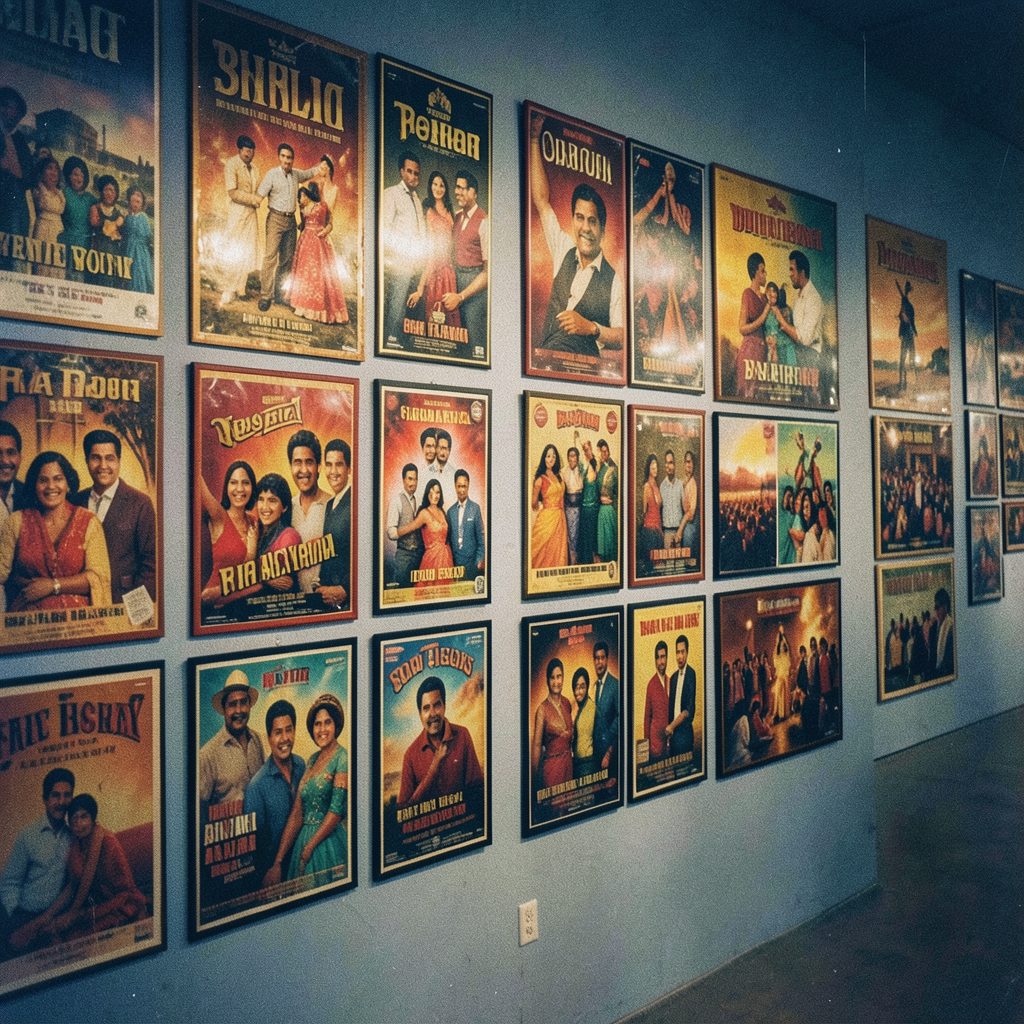

When Big Bollywood Films Stop Feeling Like Events
For years, a large budget was treated as a promise. Bigger sets, overseas locations, expensive visual effects, popular stars, and aggressive marketing were expected to create an opening-weekend rush. Yet several high-cost Hindi films have struggled to recover their investments, revealing that production scale alone no longer guarantees audience loyalty.
The shift is especially important for Bollywood because theatrical economics depend heavily on the first few days. A film must create urgency before streaming, social media reactions, and audience reviews shape public opinion. When viewers sense that a release offers familiar ideas at an inflated price, the spectacle can quickly lose its power.
This does not mean audiences have stopped enjoying commercial cinema. It means their definition of value is changing. Originality, emotional credibility, strong writing, cultural relevance, and entertainment that feels worth leaving home for now compete directly with budget size.
The Spectacle Premium Is Fading
Big-budget Hindi films often carry enormous expectations before anyone has seen them. Promotional campaigns present them as cinematic experiences, while the production cost influences ticket prices, advertising intensity, and the scale of release. That strategy works when the film feels fresh and must be experienced on a large screen. It becomes risky when grandeur is used to disguise a thin story.
Audiences have become skilled at identifying recycled formulas. A familiar action plot, a digitally enlarged villain, or a franchise connection may generate initial curiosity, but curiosity does not always turn into sustained box office momentum. Viewers can now compare a new release with global cinema, streaming originals, regional films, and older Bollywood classics within minutes.
The result is a widening gap between perceived scale and perceived value. A film can look expensive while still feeling emotionally ordinary. When that happens, the budget becomes evidence of commercial risk rather than a reason to buy a ticket.
Value Matters More Than Scale
The modern Hindi film audience is more selective about spending. A family outing, premium cinema ticket, transport, food, and time together represent a significant expense. For younger viewers, the same money may provide several weeks of streaming access or multiple entertainment options. A film has to offer a clear reason to choose the theatre now.
Strong word of mouth has therefore become more influential than pre-release noise. If early viewers praise the writing, performances, humor, music, or emotional payoff, a film can expand beyond its initial fan base. If audiences describe it as slow, predictable, or overlong, even a major advertising campaign may struggle to repair the damage.
This is why mid-budget films and content-driven dramas can sometimes outperform larger productions. Their financial risk is easier to understand, and their storytelling may feel more focused. A modestly priced film does not need to dominate the culture to become successful; it needs to connect with a defined audience and hold attention over time.
Theatrical Habits Are Splitting
The audience is no longer a single market responding in the same way. Some viewers still wait for action spectacles, event releases, and films designed for premium formats. Others prefer intimate stories, social dramas, romantic comedies, thrillers, or regional-language cinema. Many move between these categories depending on reviews, cast, mood, and price.
This fragmentation has changed the meaning of a “mass” film. Star power can bring awareness across cities and age groups, but awareness does not ensure that every group will pay for the same experience. Urban viewers may expect technical polish and fast pacing, while smaller-city audiences may respond more strongly to emotional familiarity, humor, music, or local cultural detail.
Streaming has also altered the waiting period. Viewers know that even a major release will eventually arrive at home, often with subtitles and convenient access. The theatrical window must therefore feel special. Films that depend on atmosphere, communal laughter, spectacle, or sound design have a stronger argument for cinema visits than titles that can be enjoyed equally on a television.
Star Power Needs A New Contract
The presence of a famous actor remains valuable, but its role has changed. Stars can open a film, create media attention, and reassure distributors. They cannot guarantee that audiences will forgive weak writing, an implausible premise, or a poorly judged remake. The public increasingly evaluates the film and the celebrity separately.
This has placed greater pressure on casting decisions. A star must appear suited to the character, while the story must give that performer something distinctive to play. Repeating a familiar image can produce immediate recognition, yet it may also encourage viewers to predict every beat before the film begins.
Recent box office conversations show that audiences reward conviction. When a performer disappears into a role or commits to an unusual genre, curiosity becomes stronger. The same principle applies to established franchises: each new chapter needs a reason to exist beyond brand recognition.
For current updates on releases, business trends, and industry reactions, readers can follow Bollywood news as the market continues to change.
What The Numbers Are Really Saying
A weak opening is important, but it does not tell the entire story. A film may begin slowly and grow through positive word of mouth, while another may record a huge first day and collapse after mixed reviews. The healthier measure is the relationship between opening performance, occupancy, audience response, and budget.
| Performance Signal | What It Usually Indicates | Why It Matters |
|---|---|---|
| Strong advance bookings | High curiosity or fan-driven demand | Creates an early cushion but cannot ensure longevity |
| Sharp weekday drop | Limited general-audience connection | Shows that opening excitement was not broad enough |
| Stable second weekend | Positive reviews and recommendation value | Suggests the film has found a wider audience |
| High production cost | Greater recovery pressure | Requires stronger global, satellite, music, and streaming value |
| Modest budget with steady growth | Focused appeal and efficient spending | Can produce healthier returns even without a huge opening |
The box office must also be viewed alongside non-theatrical revenue. Digital rights, music rights, overseas collections, brand partnerships, and satellite value may reduce the risk of a disappointing theatrical run. Still, weak cinema performance affects a film’s cultural impact and can influence the bargaining power of its stars and producers.
For that reason, the failure of an expensive film is rarely just a verdict on one title. It can expose unrealistic fees, inflated production schedules, weak release strategies, or the assumption that marketing can replace audience trust.
A Smarter Route To Success
The changing market does not demand that Bollywood abandon ambition. It calls for ambition to be connected to purpose. Large-scale production works best when the story genuinely needs the scale, the world feels distinctive, and the visual investment strengthens the emotional experience.
Producers are also paying closer attention to release timing, audience segmentation, trailer strategy, and content certification. A film aimed at young urban viewers may require a different campaign from a family entertainer or a mass-market action drama. Clear positioning helps audiences understand what kind of experience they are being offered.
Several practical signals can guide the next phase of Hindi cinema:
- Build the budget around the story rather than adding scale for publicity.
- Give audiences a fresh hook that can be explained without relying on star names.
- Treat trailers, songs, and posters as promises that the finished film must fulfill.
- Use test screenings and early reactions to identify pacing or tonal problems.
- Protect the theatrical experience through strong sound, visual design, and communal appeal.
The most successful films may come from a balance between commercial instinct and creative discipline. A controlled budget gives filmmakers room to take risks, while a distinctive concept gives audiences a reason to care before reviews arrive.
The Audience Has Become The Final Producer
The central lesson is that viewers now influence a film’s fate earlier and more directly. Their reactions travel through short videos, group chats, fan communities, review platforms, and social networks before formal industry verdicts appear. A campaign can start the conversation, but audiences decide whether it continues.
High-budget films will remain part of Bollywood’s future. Spectacle, action, fantasy, and franchise cinema still have powerful theatrical potential when they deliver freshness and emotional impact. The warning is against treating expense as a substitute for imagination.
For fans and industry watchers, the most interesting box office stories will increasingly be those that explain why a film connected, where it lost momentum, and how audience taste shaped the result. Follow Wassupbollywood for film reviews, release updates, box office analysis, and the latest signals from Hindi cinema.