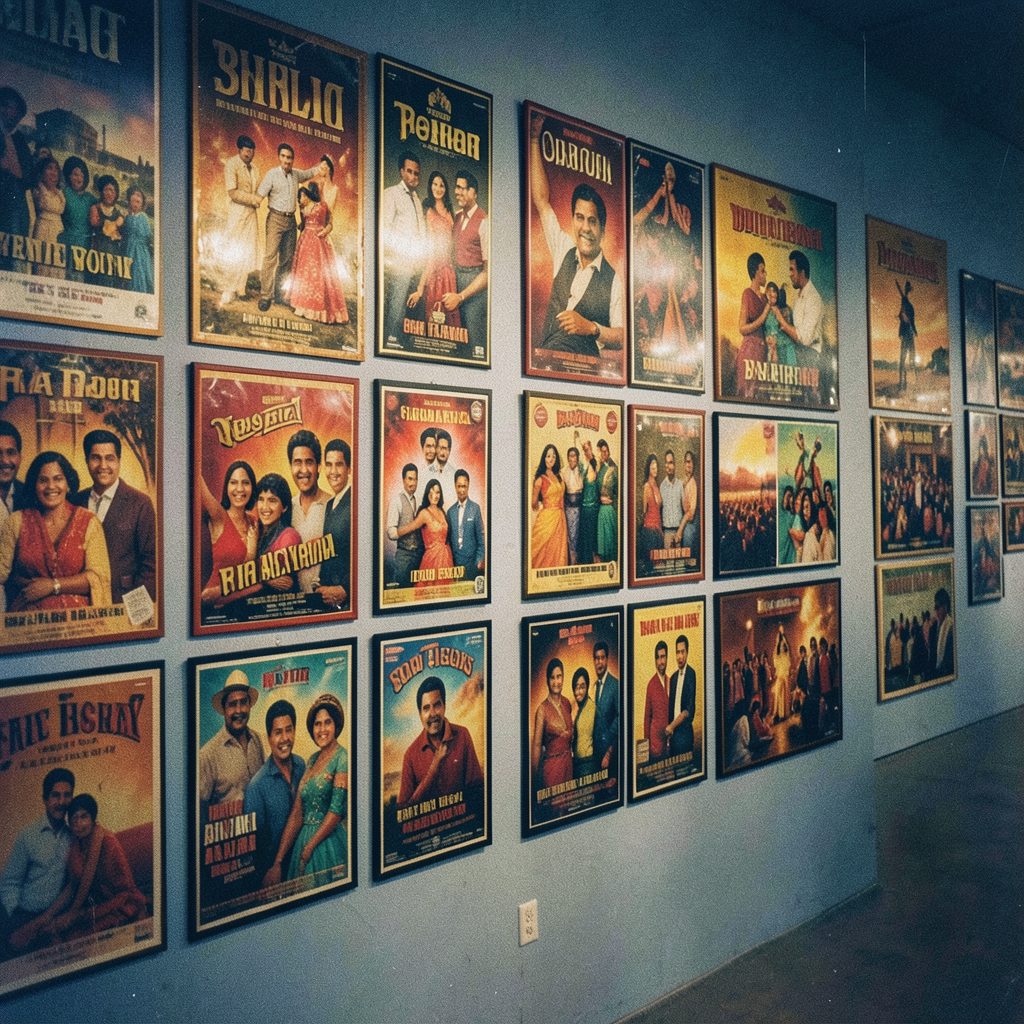

Tollywood and Bollywood Remakes Are Rewriting Indian Cinema
Hindi and Telugu cinema are reshaping each other in ways that go far beyond translated plots. Stories, stars, songs, action styles, promotional tactics, and streaming strategies now move between Mumbai and Hyderabad with remarkable speed. A successful film in one industry can become a ready-made experiment for another, although the second version often changes its tone, setting, and emotional priorities.
This exchange has made Indian cinema more connected, but it has also made audiences more demanding. Viewers can easily watch the original on a streaming platform before deciding whether a remake offers anything fresh. As a result, filmmakers are learning that a familiar storyline is only the starting point, not a guarantee of box office success.
For a Bollywood-focused audience, the trend offers plenty to track: remake announcements, casting decisions, release clashes, music launches, first-look posters, and the debate over whether a new adaptation respects or weakens its source. The conversation reflects a wider change in how regional cinema is valued across India.
Why remake traffic has accelerated
The rise of digital platforms has removed much of the distance between regional film industries. A Telugu hit can reach Hindi-speaking viewers with subtitles or dubbing within weeks, while a Hindi film can attract new audiences in the South through streaming exposure. Producers now have access to immediate performance data, including watch time, social media reactions, and audience demographics.
Remakes also reduce some commercial uncertainty. A proven premise carries recognizable market value, especially when the original has a strong reputation. This is particularly attractive when production costs are rising and theatrical openings depend heavily on pre-release hype. Yet the safest-looking choice can become risky if the source film is already widely available.
The remake business has evolved from simple duplication into a form of adaptation strategy. Producers study which elements traveled well, which depended on local culture, and which could be redesigned for a different star image. That process determines whether a project feels like a creative reinterpretation or a hurried copy.
What Bollywood borrows from Telugu cinema
Telugu cinema has influenced Hindi filmmaking through large-scale action, emotionally direct storytelling, heightened hero introductions, and carefully staged interval moments. Films such as Ghajini, Wanted, and Singham helped demonstrate how South Indian commercial formulas could be adjusted for the Hindi market. Their success encouraged Mumbai studios to look more closely at stories that had already connected with mass audiences elsewhere.
The borrowing is also visible in production design and marketing. Hero-centric posters, powerful background scores, punchy dialogue promos, and festival-oriented release dates have become important parts of mainstream Bollywood campaigns. The emphasis is often placed on creating an event rather than merely advertising a plot.
Recent adaptations have shown that star personality remains crucial. A performer cannot simply repeat the original actor’s gestures and mannerisms. The Hindi version must explain why this particular star belongs in the role. When that connection is convincing, the remake can establish its own identity; when it is absent, comparisons dominate every review and social media discussion.
A useful example of how Hindi filmmakers reshape familiar commercial material appears in this trailer analysis, where tone, character presentation, and marketing choices become as important as the storyline itself.
What Telugu cinema gains from Bollywood
The influence does not move in a single direction. Telugu filmmakers have long drawn from Hindi cinema’s urban themes, musical traditions, crime dramas, and ensemble storytelling. Bollywood’s nationwide publicity networks have also offered lessons in how to build visibility beyond a regional home market.
The expansion of pan-Indian releases has made Hindi dubbing and subtitles part of a broader launch plan rather than an afterthought. Telugu stars now appear in nationwide campaigns, while Hindi actors are increasingly cast in multilingual productions. This creates opportunities for wider theatrical revenue, streaming value, brand partnerships, and overseas recognition.
At the same time, the Hindi market brings different expectations. A story that succeeds through local references, family dynamics, or regional political context may need careful adaptation for audiences unfamiliar with those details. Telugu producers must decide whether to preserve cultural specificity or simplify the narrative for broader accessibility. That tension can become a source of originality when handled thoughtfully.
| Element | Typical Bollywood approach | Typical Tollywood approach | Remake impact |
|---|---|---|---|
| Hero introduction | Star image and urban style | Grand entry and mass elevation | Marketing becomes more event-driven |
| Emotional structure | Dialogue-led drama and romance | High-energy sentiment with set-piece peaks | Adaptations amplify emotional highs |
| Action design | Realistic or stylized sequences | Larger-than-life choreography | Hindi films increasingly embrace spectacle |
| Music strategy | Singles, playlists, and promotional videos | Story-linked songs and energetic numbers | Soundtracks are tailored to each market |
| Release model | Hindi-wide and overseas targeting | Regional base with pan-Indian expansion | Language barriers matter less |
| Audience response | Reviews, openings, and celebrity appeal | Fan culture and mass celebrations | Online comparisons arrive immediately |
When audiences reject familiar formulas
Remake fatigue has become a serious factor in viewer behavior. Audiences are willing to revisit a story when the new version offers a distinct point of view, stronger characterization, or a meaningful cultural update. They are less forgiving when scenes, dialogue rhythms, and visual compositions appear copied without adjustment.
The reception of films such as Kabir Singh, Jersey, Drishyam, and Vikram Vedha shows how complicated the debate can be. Some adaptations achieve commercial visibility while provoking criticism over tone, morality, or faithfulness to the original. Others earn respect for changing the emotional balance or making the setting feel native to the target audience.
Streaming has intensified this scrutiny. Viewers can compare performances, screenplay choices, and climaxes within a single weekend. A remake that once might have stood alone in a theatrical market now arrives alongside its source material, dubbed versions, fan edits, and extensive online commentary.
This has raised the standard for writing. A recognizable plot may draw initial attention, but only a convincing character arc can sustain word of mouth. Box office predictions increasingly depend on whether a remake appears necessary, rather than simply available.
Stars, music, and marketing now cross borders
Casting is one of the most visible signs of industry convergence. A Telugu star can bring a loyal regional audience to a Hindi-language release, while a Bollywood performer can add national publicity to a South Indian production. Supporting actors are also crossing industries more often, creating familiar faces for multilingual audiences.
Music plays an equally important role. A song may be recorded in several languages, remixed for promotional campaigns, or redesigned to suit the rhythm of a new film. The original soundtrack can provide a blueprint, but a Hindi remake usually needs lyrics and arrangements that feel natural rather than mechanically translated.
Marketing teams are adjusting to this shared ecosystem. Teaser cuts, dubbed trailers, satellite rights, streaming premieres, and influencer campaigns are planned together. Posters often emphasize the lead star first and the remake connection second, helping the film appear like a new release instead of a recycled product.
The strongest campaigns acknowledge the original while clearly communicating the adaptation’s difference. This approach can attract fans of the source without making new viewers feel they are watching a substitute.
Choices that can make adaptations feel original
The future of cross-industry remakes will depend on creative judgment more than on the popularity of any single formula. Producers and directors can protect a project’s identity by examining what made the original successful and then rebuilding those strengths for a new audience.
- Retain the central emotional conflict, but redesign the setting and character motivations for local relevance.
- Cast performers whose public image adds a new interpretation instead of copying the original star.
- Invest in fresh dialogue, music, and production design rather than translating scenes line by line.
- Release the source film widely enough for transparency, while presenting the remake as a distinct experience.
- Use trailers and posters to highlight new stakes, relationships, and visual ideas.
These choices also help critics and audiences evaluate the film on its own terms. A remake should invite comparison, but it should not depend entirely on nostalgia or curiosity about the original.
For studios, the commercial lesson is clear: a known title may secure attention, but originality determines longevity. The most successful adaptations will be those that understand regional identity while speaking to the increasingly connected Indian audience.
The relationship between Tollywood and Bollywood is likely to become even more fluid as theatrical distribution, streaming, and pan-Indian stardom continue to expand. Remakes will remain part of that relationship, but their role is changing from straightforward repetition to cultural negotiation.
Follow Wassupbollywood for film reviews, trailer analysis, release updates, box office tracking, music coverage, and the latest developments shaping Hindi cinema and its growing conversation with regional industries.