A Day Inside the Working Rhythm of a Bollywood Film Set
The glamour of Hindi cinema is usually measured in premieres, posters, red-carpet appearances, and opening-weekend numbers. Film production looks very different before a movie reaches theatres. Long before audiences react to a trailer or debate a star performance, hundreds of crew members are solving practical problems under tight schedules.
A typical day with a Bollywood unit is a moving system of preparation, performance, technical precision, and constant adjustment. The visible image may be a romantic song, a dramatic confrontation, or a lavish action sequence, yet each moment depends on departments working together with remarkable discipline.
This behind-the-scenes view also explains why a short scene can consume an entire day. Light changes, costumes need continuity, camera positions shift, sound must remain clean, and actors may repeat the same emotional beat from several angles. The finished film hides most of that labour by design.
Before The First Shot
The day often begins before sunrise for the production team. A call sheet sets out the reporting time, location, scene numbers, costume requirements, transport arrangements, and contact details for key departments. The assistant directors use it as a working map, though real conditions can alter the plan within minutes.
Make-up and costume teams prepare performers while electricians, grips, camera assistants, and set decorators ready the shooting space. If the unit is filming outdoors, weather becomes part of the schedule. If it is working on a constructed set, carpenters and art directors may still be finishing practical details as the crew arrives.
The first shot is rarely the first piece of work. Blocking allows the director, actors, cinematographer, and focus puller to determine where everyone will move. A scene that appears spontaneous on screen may involve carefully marked positions, rehearsed entrances, and several adjustments before the camera rolls.
The Departments Behind The Image
Every frame reflects a chain of specialised decisions. The director guides the dramatic intent, while the cinematographer shapes lighting and composition. Camera operators, focus pullers, grips, and lighting technicians turn that vision into a repeatable image. Their work must remain consistent across multiple takes and later editing.
Production design gives the scene its physical identity. Art departments select furniture, props, wall textures, signage, and colours that support the story. Costume designers and continuity teams track what each performer wears, how a jacket is positioned, and whether a prop has moved between shots.
Sound teams face their own demanding conditions. They monitor dialogue, background noise, generators, traffic, wind, and the movement of clothing. A set may look quiet to visitors while microphones capture unwanted sounds from outside the frame. When clean audio is difficult, the scene may require additional recording or careful planning for post-production dubbing.
How A Shooting Day Actually Moves
The difference between a planned day and a real day becomes clear once the unit begins filming. A single setup can take longer because of lighting changes, technical faults, performance adjustments, or continuity concerns. The schedule is a guide, not a guarantee.
| Production Element | Planned Expectation | What Commonly Changes It |
|---|---|---|
| Scene blocking | Quick rehearsal before filming | Actor movement, camera access, or set design |
| Lighting setup | Fixed time for each angle | Sun position, reflections, shadows, or equipment changes |
| Dialogue takes | Several attempts per shot | Performance choices, background noise, or focus errors |
| Action movement | Choreographed and timed | Safety checks, resets, camera speed, or costume limits |
| Company move | Short transfer between locations | Traffic, permissions, parking, and equipment transport |
The first assistant director usually keeps the day moving, balancing creative needs with production limits. A director may want another take because a performance has found a stronger emotional note, while the production manager must consider daylight, overtime, location permissions, and the next setup.
This negotiation is part of filmmaking rather than a sign of poor planning. Film sets are collaborative spaces where artistic ambition meets physical reality. A delayed prop, a sudden rain shower, or a sound issue can affect dozens of people, so decisions must travel quickly through the unit.
Performance Beyond The Spotlight
Actors experience the day through repetition. They may perform the same exchange in a wide shot, a medium frame, close-ups, reaction shots, and alternate versions for editing. Emotional intensity has to remain available even when the scene is filmed out of order.
A powerful screen moment can depend on small technical choices. A pause may be extended for an edit, a line delivered toward a particular mark, or a gesture repeated so it matches an earlier take. Fans who admire iconic dialogue scenes often see the final confidence of the performance, while the unit has witnessed the concentration required to preserve it from angle to angle.
Song filming adds another layer. Choreographers, dancers, costume teams, playback operators, camera crews, and set designers must coordinate movement with music. A few seconds of finished footage may require many resets because every body position, lighting cue, and camera move has to align.
The Work Nobody Sees
Continuity is among the least celebrated forms of film labour. A continuity supervisor records the position of hands, glasses, bags, food, hair, costume details, and background elements. These notes help editors cut between shots without making the passage of time feel accidental.
Locations also shape the day more than audiences realise. A busy street may need crowd control, a heritage building may impose restrictions on lights and equipment, and a residential area may limit filming hours. Permissions, security, transport, catering, and waste management all support the creative work without appearing in the final image.
After the unit wraps, the day is not necessarily finished. Data management teams copy and verify camera files, production staff review the next day’s requirements, and editors may examine selected footage. A safe backup can matter as much as a successful take because every frame represents time, money, and collective effort.
What Reaches The Audience
The final film is built from fragments gathered across different days, locations, and sometimes production phases. Editors shape those fragments into rhythm, while sound designers create atmosphere and music teams influence emotion. Colourists refine the visual tone, visual-effects artists extend locations or remove unwanted details, and re-recording engineers balance the soundtrack.
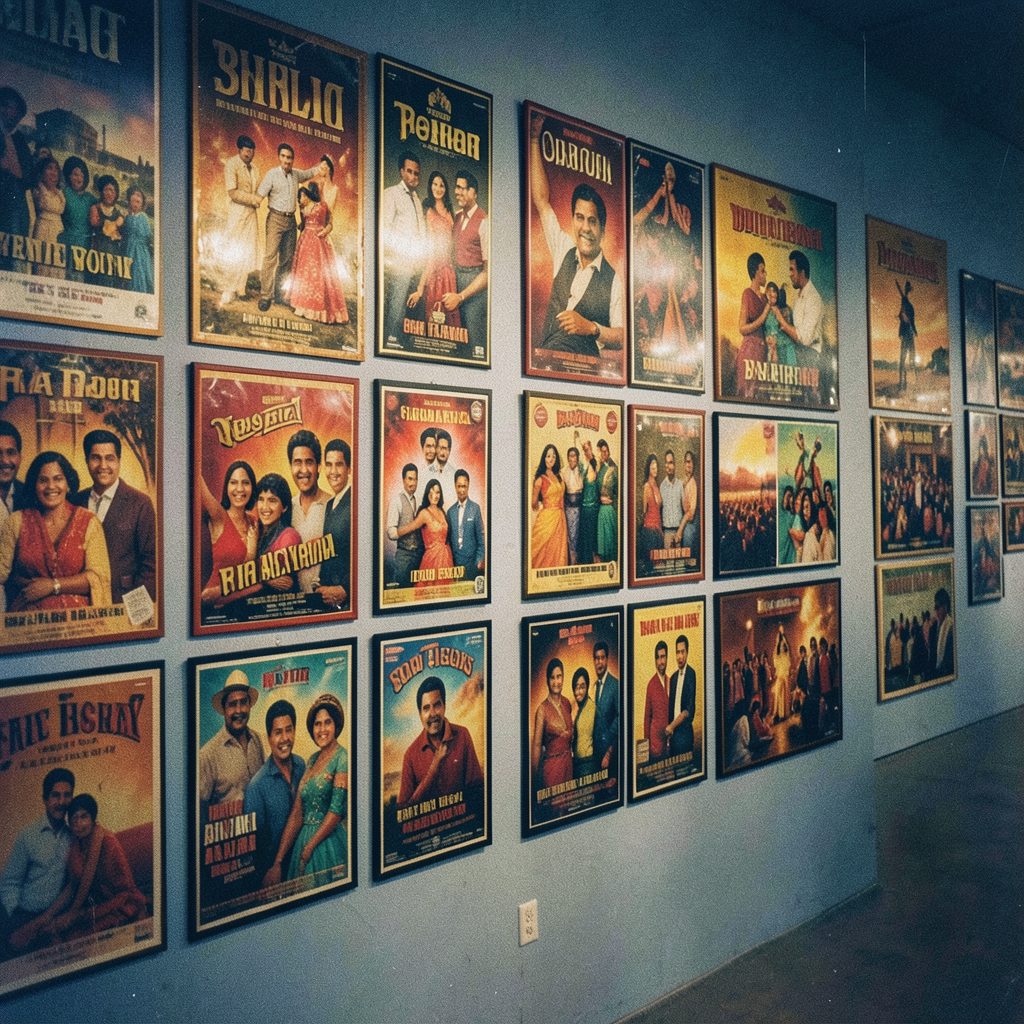
This process explains why a film’s public identity can change between the shoot and release. A trailer may emphasise action, romance, comedy, or a star’s screen presence even when the full movie has a broader structure. Posters, stills, songs, and promotional interviews present carefully selected pieces of a much larger production.
For Bollywood audiences, the finished experience remains the central attraction, but understanding the unit adds depth to every scene. A crowded wedding number reflects choreography, crowd coordination, lighting control, costume continuity, and post-production editing. A quiet family exchange may depend on equally complex preparation, simply expressed through restraint.
Habits That Make Set Life Work
A well-run unit depends on habits that protect time, safety, and creative focus:
- Read the call sheet carefully and arrive prepared for the exact scene requirements.
- Keep continuity notes precise, especially when filming out of sequence.
- Communicate changes quickly across production, camera, costume, and sound departments.
- Build safety checks into action scenes, equipment moves, and difficult locations.
- Protect backup procedures so captured footage remains secure throughout the schedule.
These practices also improve the working atmosphere. Respect for every department reduces confusion, while clear communication helps the crew respond to unavoidable changes without losing momentum. A film set may be hierarchical, but its success depends on information moving between specialists.
The next time a Hindi film creates a memorable image, consider the invisible coordination behind it: the early call time, the marked floor, the adjusted light, the repeated line, the protected cable, and the final data backup. Explore more film-world stories on Wassupbollywood and follow the craft from the first setup to the finished screen moment.