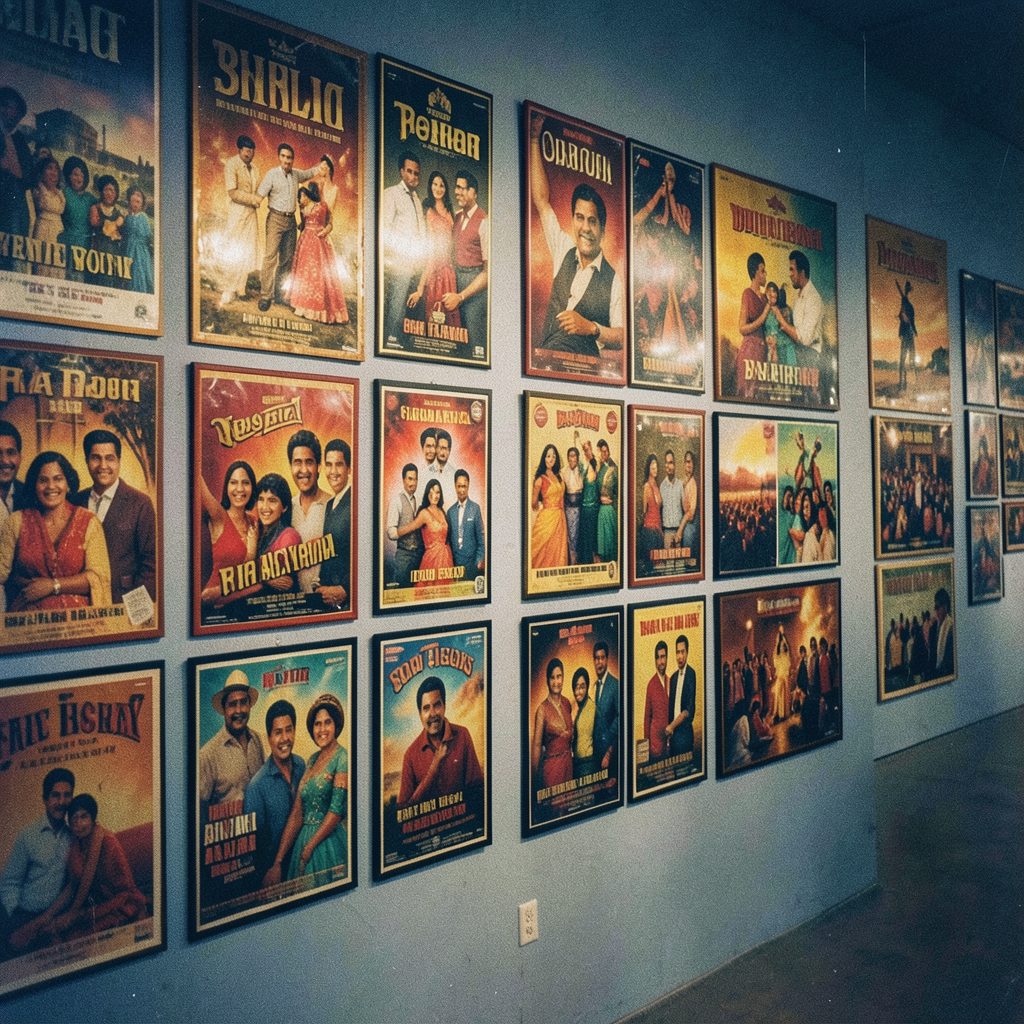
The science behind Bollywood’s perfect song picturizations
A memorable Bollywood song sequence is far more than a beautiful location, a catchy hook step, or a star wearing an elaborate costume. Its success depends on several systems working together: musical rhythm, emotional storytelling, choreography, cinematography, editing, production design, and audience psychology.
The best Hindi film songs make movement feel inevitable. A beat lands as a gesture, a lyric becomes a visual image, and a change in melody shifts the camera, color palette, or performance style. This careful coordination explains why some picturizations remain instantly recognizable years after a film leaves theaters.
Song picturization also serves a commercial purpose. It creates trailer moments, social media clips, dance trends, soundtrack streams, fashion references, and memorable scenes that strengthen a film’s identity. Behind the apparent spontaneity is a detailed process of planning, testing, and refinement.
Why the song sequence carries so much weight
Bollywood songs often compress a large amount of storytelling into a few minutes. A character may reveal desire, jealousy, confidence, loneliness, or transformation through a performance instead of extended dialogue. The sequence can move from a private feeling to a grand public spectacle without breaking the emotional flow of the film.
This flexibility gives filmmakers a distinctive storytelling tool. A romantic track may begin with restrained eye contact, expand through synchronized movement, and end with visual closeness. A celebration song can establish family relationships, social status, cultural setting, and comic tension while keeping the audience engaged through rhythm and color.
The strongest examples balance narrative function with standalone appeal. Viewers should enjoy the song as a music video, yet the sequence must still belong to the film. When lyrics, character behavior, and visual choices support the plot, the song feels essential rather than decorative.
From rhythm to blocking
The first layer of a successful picturization is musical mapping. Directors and choreographers identify the intro, verse, pre-chorus, hook, bridge, instrumental break, and final refrain. Each section receives a visual treatment that reflects its energy. A soft verse may use flowing movement and longer shots, while a percussion-heavy hook invites sharper choreography and faster cutting.
Choreography is built around more than steps. It includes formations, pathways, levels, pauses, gestures, eye lines, and interactions with props or architecture. Group formations create scale, while a sudden close-up can return attention to the lead performer. Repetition helps the audience learn a signature move, making the hook easier to remember and reproduce.
Blocking also protects screen geography. Performers need enough space for movement, the camera needs a clear route, and dancers must maintain formation after every transition. Large Bollywood dance numbers can involve dozens or hundreds of performers, so floor markings, rehearsal videos, overhead diagrams, and timing counts become essential production tools.
The camera, edit and color system
Cinematography translates musical dynamics into visual motion. A wide shot emphasizes scale and symmetry, a tracking shot creates momentum, and a close-up captures emotional detail. Lens choice affects the feeling as well: wider lenses exaggerate movement and space, while longer lenses compress layers of dancers and scenery.
Editing follows musical accents, but it should not simply cut on every beat. If every movement is fragmented, choreography becomes difficult to read and emotional continuity weakens. Editors often alternate between rapid cuts during high-energy passages and longer takes when the performance or lyric needs room to breathe.
Color grading gives the song its visual identity. Warm golds and reds can suggest celebration or sensuality, while cool blues and muted tones may support longing or introspection. Costumes, lighting, set decoration, and background dancers are designed as one palette, allowing the stars to stand out without making the frame feel empty.
| Musical or cinematic element | Visual translation | Audience response |
|---|---|---|
| Repeated hook | Signature gesture, formation, or camera move | Recognition and participation |
| Rising melody | Expanding space, crane shot, or larger ensemble | Emotional lift |
| Quiet lyric | Close-up, restrained gesture, or slower camera movement | Intimacy and empathy |
| Percussion break | Fast footwork, cuts, or prop interaction | Energy and excitement |
| Instrumental interlude | Location reveal, costume change, or montage | Spectacle and visual refresh |
| Final refrain | Repeated motif with greater scale | Memorability and payoff |
Designing emotion through spectacle
Scale works best when it reflects the emotional state of the characters. A huge set cannot create excitement by itself. The audience needs a reason to care about the people moving through it. Production designers therefore connect locations and props to the song’s central idea, whether that involves a palace, a train station, a wedding courtyard, a nightclub, or an abstract dreamscape.
Costume design performs a similar function. A character’s changing silhouette can mark confidence, vulnerability, social mobility, or romantic openness. Fabrics respond differently to wind and movement, while sequins, metallic surfaces, and saturated colors interact with lighting to create flashes that catch the eye during choreography.
Cultural references also require precision. Folk forms, regional clothing, wedding customs, and classical gestures can add authenticity when they are researched and integrated thoughtfully. The aim is to create a recognizable world rather than a collection of disconnected visual decorations.
Practical choices that strengthen a song sequence
The science of Bollywood music videos becomes useful when creative ambition is matched with production discipline. These choices help preserve clarity, emotion, and replay value:
- Build the visual concept around the song’s strongest lyrical or musical idea.
- Give the hook step enough screen time for viewers to understand and remember it.
- Use costume, lighting, and set design to distinguish each musical section.
- Protect emotional close-ups instead of filling every second with choreography.
- Rehearse camera movement and dancer formations together, not as separate processes.
A good production also anticipates how audiences will consume the song outside the theater. A wide theatrical frame may need a stronger central composition for mobile viewing, while a signature moment should remain readable in a short social media clip. Clear silhouettes, repeated motifs, and strong transitions help a sequence survive in trailers, reels, television broadcasts, and fan edits.
Technology, testing and audience memory
Modern song production uses previs, motion-reference footage, digital set extensions, drones, motion-control rigs, virtual production, and computer-generated crowd multiplication. These tools can expand the scale of a musical number, yet technology remains most effective when it serves the performers. A digital crowd cannot replace the charisma of a lead actor, and a complex camera rig cannot compensate for weak musical structure.
Post-production teams also use color tests, rough cuts, and choreography reviews to identify problems before release. They check whether the star remains visible, whether the hook arrives at the right moment, and whether the edit preserves the rhythm. Small adjustments to a cut, costume contrast, or background level can significantly improve visual clarity.
Audience memory depends on pattern and emotional association. Repeated lyrics, symmetrical formations, a distinctive location, or a recognizable dance gesture gives the brain something to store and retrieve. When these elements are tied to a strong character feeling, the song becomes part of popular culture rather than a temporary promotional asset.
Where craft meets fandom
Perfect song picturizations are engineered to feel effortless. Their magic comes from the meeting point between composition and instinct: a melody that suggests movement, a performer who communicates without dialogue, a camera that understands the choreography, and an edit that knows when to accelerate or pause.
For Bollywood fans, examining these details adds another layer to every music release, trailer, still, and dance trend. Follow Wassupbollywood for film reviews, soundtrack coverage, celebrity updates, fashion stories, and closer looks at the creative decisions shaping Hindi cinema.