The New Wave of Bollywood Horror-Comedies
Hindi cinema has developed a distinctive relationship with fear. Ghosts, cursed houses, shape-shifting creatures, tantriks, and supernatural folklore have long appeared on screen, yet recent films have given these elements a lighter, more contemporary rhythm. Horror is still present, but it now shares space with satire, romance, social commentary, and broad commercial entertainment.
The new wave of Bollywood horror-comedies works because it understands that laughter can make fear sharper. A joke lowers the audience’s guard, while a sudden sound, visual reveal, or unsettling pause restores tension. This contrast creates an elastic tone that traditional horror often avoids and conventional comedy cannot easily produce.
Films such as Stree, Bhediya, Munjya, Bhool Bhulaiyaa 2, and Phone Bhoot show how the Hindi film industry is reshaping supernatural storytelling. Their success comes from recognizable characters, local legends, accessible humour, and themes that extend beyond simple ghost-versus-human conflict.
Why Horror And Comedy Work Together
Horror and comedy are both built around timing. A scare depends on anticipation and release, while a comic scene relies on expectation followed by surprise. When filmmakers place these mechanisms beside each other, the audience experiences a constant shift between nervousness and amusement. The result can feel more engaging than a film that sustains only one emotional register.
Bollywood also has a long tradition of mixing genres. Hindi films frequently combine romance, family drama, action, music, and comedy in a single narrative. Horror-comedy therefore feels less like an imported experiment and more like a natural extension of mainstream storytelling. Songs, ensemble casts, colourful production design, and emotional subplots allow supernatural narratives to reach audiences who may not usually watch straight horror.
The hybrid format also makes frightening subjects less inaccessible. Viewers can enjoy haunted settings and frightening creatures without committing to an atmosphere of unbroken dread. This balance is especially effective in theatres, where collective laughter can turn a frightening moment into a shared social experience.
Folklore In A Modern Commercial Format
A significant feature of contemporary Hindi horror-comedy is its use of Indian folklore. Rather than relying exclusively on generic haunted houses or familiar Western monster imagery, these films draw from regional beliefs, village stories, oral traditions, and warnings passed between generations. The supernatural figure often has a specific cultural identity, which gives the narrative a stronger sense of place.
Stree transformed the idea of a mysterious female spirit into a vehicle for examining gender expectations and public behaviour. Bhediya used a werewolf-like transformation to explore environmental destruction and the relationship between people and land. Munjya adapted a local legend into a fast-moving urban fantasy with comic characters and family tension.
This approach helps horror-comedies achieve two goals at once. They entertain viewers with accessible plots while preserving an element of cultural memory. The ghost or monster is rarely just a villain. It may represent social anxiety, suppressed desire, environmental damage, misogyny, or the consequences of ignoring the past.
The Genre’s Changing Emotional Grammar
The newer films generally avoid treating comedy as an interruption between serious horror sequences. Instead, humour is integrated into character behaviour, dialogue, and world-building. A frightened friend may behave foolishly, a supposedly powerful exorcist may be incompetent, or a family may argue about ordinary matters while facing an extraordinary threat.
| Feature | Conventional Horror | Contemporary Horror-Comedy |
|---|---|---|
| Main emotion | Sustained fear | Fear balanced with laughter |
| Supernatural figure | Primary antagonist | Antagonist, victim, symbol, or comic presence |
| Setting | Isolated and threatening | Familiar homes, towns, campuses, and cities |
| Character design | Victims and survivors | Ensemble of flawed, expressive personalities |
| Social themes | Often secondary | Frequently linked to gender, ecology, class, or family |
| Audience appeal | Atmosphere and shock | Atmosphere, humour, stars, music, and relatability |
This emotional grammar has changed the way filmmakers stage suspense. A dark corridor may be followed by a ridiculous argument. A terrifying possession can reveal an awkward family secret. These tonal turns are most successful when they arise from the personalities of the characters rather than being added as disconnected punchlines.
The risk is tonal imbalance. If the jokes arrive too frequently, the supernatural threat loses credibility. If the horror becomes too severe, the comic foundation collapses. The strongest films establish rules for their world and then allow humour to emerge within those rules.
Stars, Stardom, And Screen Persona
Casting plays an important role in the genre’s popularity. Horror-comedies often require performers who can move quickly from fear to absurdity without making either emotion feel artificial. A familiar comic actor can make a supernatural situation feel approachable, while a dramatic performer can add weight to the film’s emotional or social themes.
Star image also becomes part of the joke. Audiences bring expectations from an actor’s previous roles, and filmmakers can use those expectations for comic effect. A performer known for heroic confidence may appear helpless before a ghost, while a usually restrained actor may become the source of chaotic humour. This reversal gives the genre a playful relationship with Bollywood mythology. For a wider view of how action stardom shapes audience expectations, Salman Khan’s action legacy offers a useful comparison with the exaggerated heroics often reworked in supernatural entertainers.
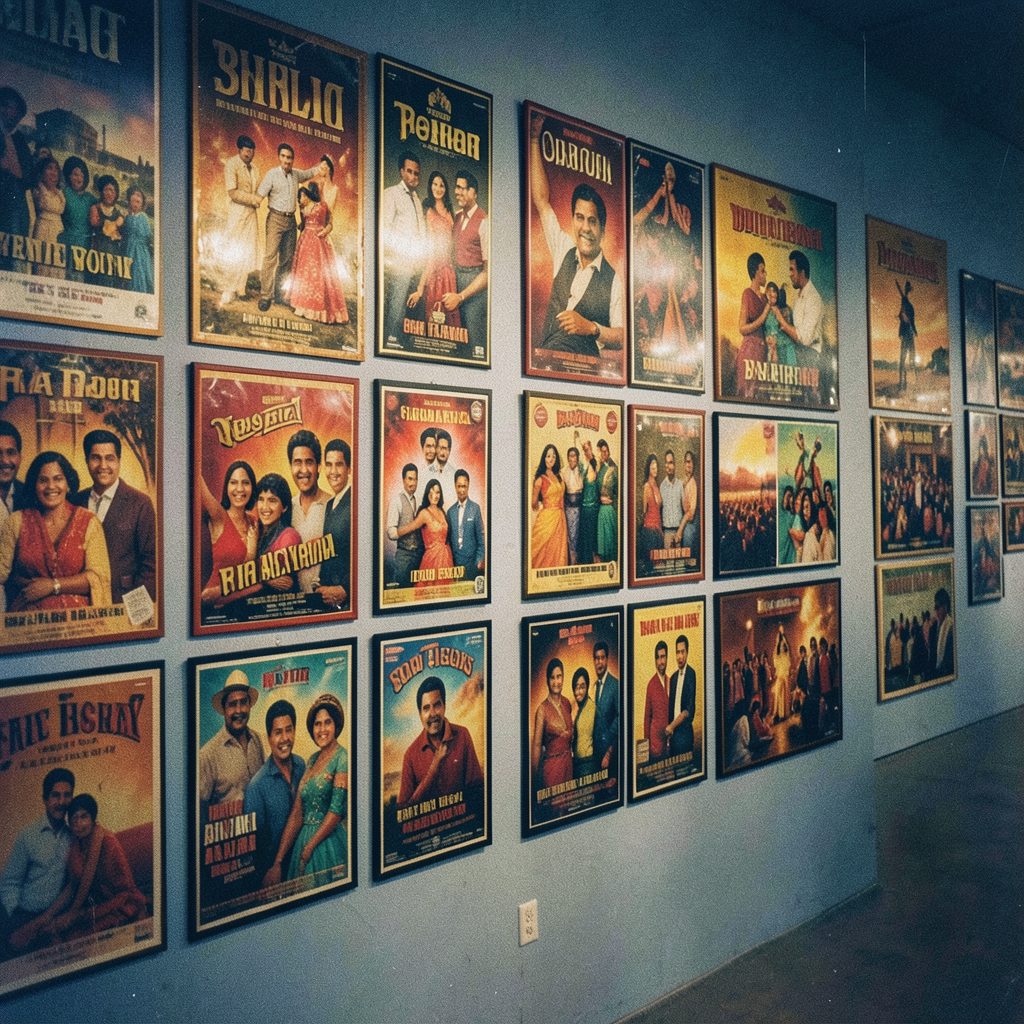
Music and choreography deepen this star-driven appeal. A horror-comedy can support a catchy song, a festival-ready dance sequence, or a visually striking promotional poster without abandoning its central premise. The marketing language becomes bright and energetic, even when the story involves curses, corpses, or ancient spirits.
What Gives These Films Staying Power
The genre performs best when its supernatural concept is tied to a clear emotional conflict. A monster with no purpose becomes a special effect, while a ghost connected to injustice, grief, desire, or exploitation can carry the story after the jokes fade. Strong character motivation gives the film rewatch value and prevents its comic scenes from feeling disposable.
Successful horror-comedies also understand the importance of visual identity. Strange silhouettes, memorable costumes, unusual lighting, and carefully designed creatures help a film stand out in trailers and social media clips. The audience should be able to recognize the movie’s world before hearing the dialogue.
For filmmakers developing this space, several principles remain useful:
- Build humour from character and situation rather than inserting unrelated punchlines.
- Give the supernatural figure a clear history, motivation, and set of rules.
- Use local folklore as a foundation while keeping the emotional conflict contemporary.
- Protect the horror atmosphere with controlled sound design, pacing, and visual restraint.
- Let the ensemble cast create contrasting reactions to the same impossible event.
These choices also influence box office performance. A film with a strong concept can attract horror fans, comedy audiences, families, and viewers interested in stars or music. That broad demographic reach helps explain why supernatural comedies have become valuable properties within Hindi cinema.
Beyond Jump Scares And Punchlines
The next stage of the genre may involve more ambitious world-building. Producers are already interested in connecting supernatural characters across films, allowing separate stories to share locations, legends, and recurring rules. A connected horror-comedy universe can create anticipation, although it will require consistent mythology and stronger narrative planning than simple crossover appearances.
There is also room for regional expansion. Hindi cinema can draw from the diverse ghost stories and folk creatures of India without reducing them to decorative references. Stories rooted in local languages, landscapes, and customs could give the genre fresh visual and thematic possibilities while widening its cultural range.
Streaming platforms may push the format in another direction. A theatrical horror-comedy usually aims for immediate crowd response, whereas a streaming series can develop a haunting across several episodes. It can devote more time to secondary characters, investigate the origin of a curse, or shift between comedy and dread with greater patience.
The most promising films will treat the hybrid form as a storytelling language rather than a marketing label. They will make viewers laugh because the characters feel human, and feel uneasy because the world contains consequences that comedy cannot erase.
Bollywood’s supernatural comedy cycle has become a significant part of contemporary Hindi entertainment, linking folklore with celebrity culture, social observation, and commercial spectacle. Follow Wassupbollywood for film reviews, release updates, box office coverage, trailers, music news, and the latest developments shaping this evolving genre.