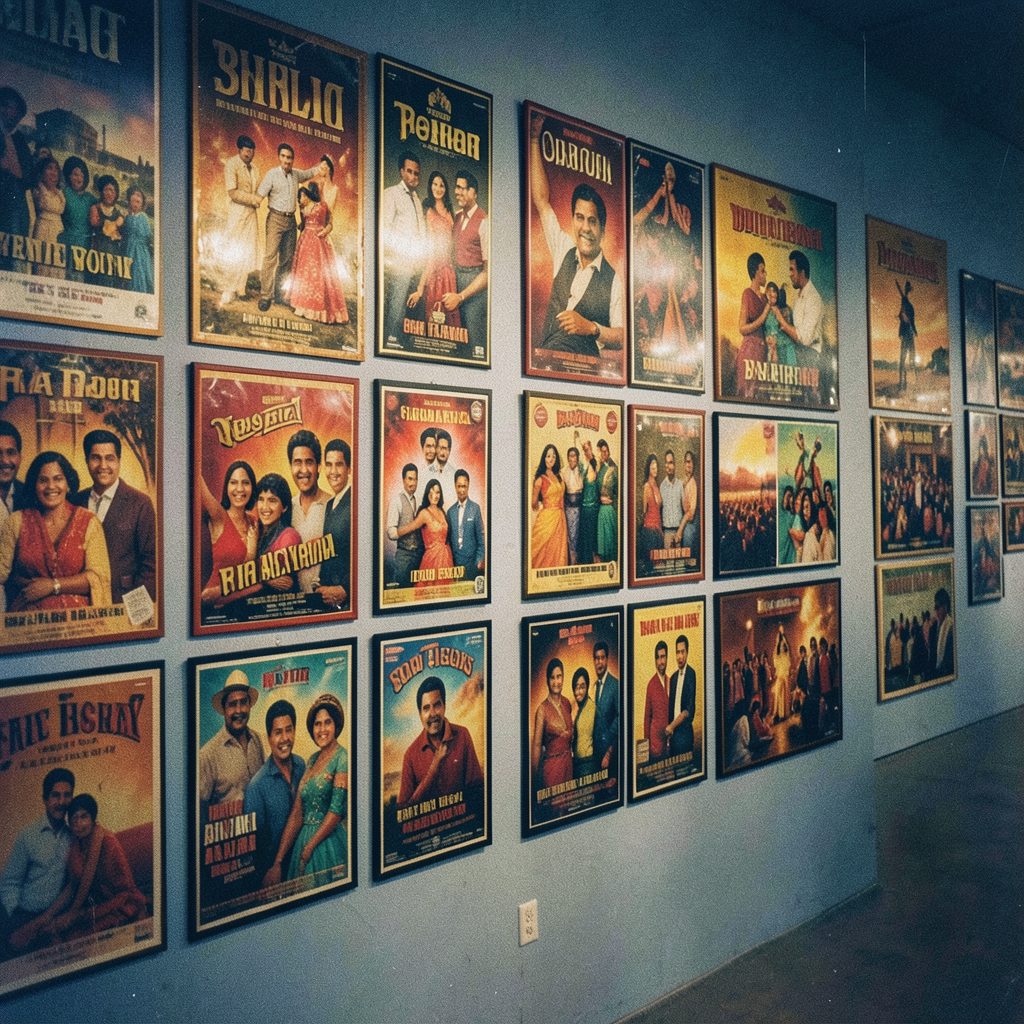

How Bollywood’s Romantic Comedies Changed After 2010
Bollywood’s romantic comedy genre has changed dramatically since 2010. The era of lavish courtship, instant chemistry and perfectly timed song sequences has gradually made room for stories about ambition, family pressure, emotional baggage, social identity and the ordinary compromises of partnership.
The evolution of Bollywood's romantic comedy genre since 2010 can be traced through its characters as much as its plots. Lovers are no longer defined only by whether they end up together. Increasingly, Hindi films ask whether a relationship supports personal growth, survives cultural differences or makes space for difficult conversations.
This shift has influenced everything from casting and music to box office expectations. The genre still values glamour and escapism, yet contemporary rom-coms often place their couples in recognisable cities, workplaces and family homes. That balance between fantasy and familiarity has helped romance remain a reliable part of mainstream Hindi cinema.
From grand gestures to grounded chemistry
At the start of the 2010s, films such as Band Baaja Baaraat, Tanu Weds Manu and Yeh Jawaani Hai Deewani refreshed familiar romantic formulas with stronger personalities. Their protagonists had careers, friendships and conflicting ambitions before romance entered the picture. Love was important, but it did not completely define their identities.
The urban rom-com also became more comfortable with imperfect behaviour. Cocktail explored emotional confusion within a modern friendship, while Hasee Toh Phasee built its appeal around two unusual people finding comfort in each other. These films made awkwardness, hesitation and vulnerability valuable parts of screen chemistry.
Performances became just as significant as plot twists. Ranveer Singh and Anushka Sharma’s energetic partnership, Kangana Ranaut’s unpredictable comic timing and Deepika Padukone’s emotionally layered characters showed that a romantic lead could be funny, ambitious, impulsive or flawed without losing audience appeal.
The streaming effect on Hindi romance
Streaming platforms have widened the space available for romantic storytelling. A theatrical release often needs a highly visible star pairing, a large music campaign and an instantly recognisable hook. Digital films and series can spend more time on quiet attraction, complicated breakups and relationships that do not fit a conventional happy ending.
This change has also encouraged new settings. Small-town romances, interfaith relationships, queer love stories and mature partnerships can receive attention without being forced into the same glossy template. Films such as Bareilly Ki Barfi and Shubh Mangal Saavdhan demonstrated how regional detail and social themes could strengthen comic storytelling rather than reduce its entertainment value.
The result is a broader definition of romance. A couple’s banter may still drive the narrative, but family dynamics, workplace culture and personal independence now receive greater attention. Streaming has made audiences more willing to follow characters through uncertainty, while theatrical cinema continues to turn romance into a colourful communal event.
The formula has become more flexible
Classic ingredients remain important: attractive leads, memorable songs, scenic locations, comic relatives and a final emotional reunion. What has changed is the way these elements are arranged. A film may begin with a marriage negotiation, an ex-partner or a fake relationship before gradually revealing what the characters actually need.
Dum Laga Ke Haisha challenged polished beauty standards through a tender story about an arranged marriage. Luka Chuppi used live-in relationships and small-town gossip for comic conflict, while Good Newwz placed marital anxiety inside a broad commercial entertainer. These films retained familiar Hindi film energy while updating the social situations around the couple.
More recent releases such as Tu Jhoothi Main Makkaar and Zara Hatke Zara Bachke show the genre negotiating modern dating, family economics and emotional manipulation. Their worlds include social media, cohabitation debates and financial pressures, yet the stories still rely on songs, comic misunderstandings and star appeal to connect with a wide audience.
A changing map of desire and identity
The romantic comedy is also responding to conversations about consent, body image, gender roles and emotional labour. Female characters are more likely to have a clear professional life or a firm opinion about marriage. Male leads can be emotionally uncertain, domestically capable or openly dependent on their partners without the story treating those qualities as weakness.
Representation remains uneven, but the direction is significant. Films that address fertility, sexuality, disability or social prejudice have expanded the emotional territory of mainstream Hindi entertainment. The comedy does not erase the conflict; it creates a more accessible route into subjects that might otherwise be handled only as serious drama.
Celebrity culture adds another layer to this transformation. Viewers follow stars through interviews, fashion coverage, trailers and behind-the-scenes stories, then bring that familiarity into the cinema. For a current example of how personal influences shape a performer’s public image, Janhvi's latest interview offers useful context for understanding the relationship between star persona and romantic-screen expectations.
| Era or approach | Typical romantic conflict | Comic style | Emotional emphasis |
|---|---|---|---|
| Early 2010s urban rom-com | Career, friendship and commitment | Fast banter and energetic set pieces | Discovering adult identity |
| Mid-2010s grounded romance | Family, class and appearance | Situational humour and local detail | Acceptance and self-worth |
| Late 2010s social rom-com | Marriage, tradition and public judgement | Social satire and awkward encounters | Negotiating change |
| 2020s hybrid model | Digital dating, money and emotional boundaries | Genre mixing and sharper dialogue | Compatibility, consent and independence |
Music, fashion and the visual language of love
Songs remain one of Bollywood romance’s strongest storytelling tools, though their function has evolved. Earlier films often used music to present an idealised world of travel, luxury and instant attraction. Newer soundtracks may capture a private mood, a wedding celebration, a breakup or the comic tension of an everyday relationship.
This has made romantic music more versatile. A dance number can establish social confidence, while a quieter track can reveal a character’s loneliness. Independent singers, regional sounds and carefully designed background music have also helped films create a distinct identity beyond the traditional playback formula.
Fashion plays a similar role. The styling of a couple can communicate class, personality and emotional change before the dialogue does. From wedding-season lehengas and coordinated travel looks to practical workwear and small-town silhouettes, romantic comedies continue to influence what audiences associate with dating, celebration and modern partnership.
Signals worth watching
The next phase of Hindi romantic comedy will likely be shaped by a combination of audience demand, production economics and star power. Viewers still enjoy escapist romance, but they respond more strongly when the fantasy contains emotional truth and social observation.
Key signals include:
- More stories centred on mature couples, second chances and relationships after divorce.
- Greater use of regional settings, dialects and locally specific wedding traditions.
- Romantic plots that treat female ambition and male vulnerability as ordinary realities.
- Hybrid releases that combine theatrical spectacle with streaming-friendly character detail.
- Soundtracks designed for both cinematic emotion and short-form digital discovery.
The strongest projects will probably avoid choosing between realism and glamour. A successful Hindi rom-com can feature a spectacular wedding song while still acknowledging debt, family expectations or unequal domestic responsibilities. Its charm comes from making those tensions entertaining without pretending they do not exist.
The audience is ready for the next love story
Bollywood’s romantic comedy genre is no longer a single formula built around a meet-cute, a misunderstanding and a reunion. It is now a flexible space where filmmakers can combine satire, family drama, social commentary, music, fashion and genuine emotional intimacy.
The genre’s future depends on memorable characters rather than recycled situations. Audiences may forgive a familiar plot when the leads feel fresh, the dialogue sounds natural and the relationship reflects contemporary life. They are also likely to keep rewarding films that offer warmth without ignoring the complications of love.
Follow Wassupbollywood for Bollywood romance news, film reviews, box office updates, music coverage, celebrity stories and the next major releases shaping Hindi cinema.