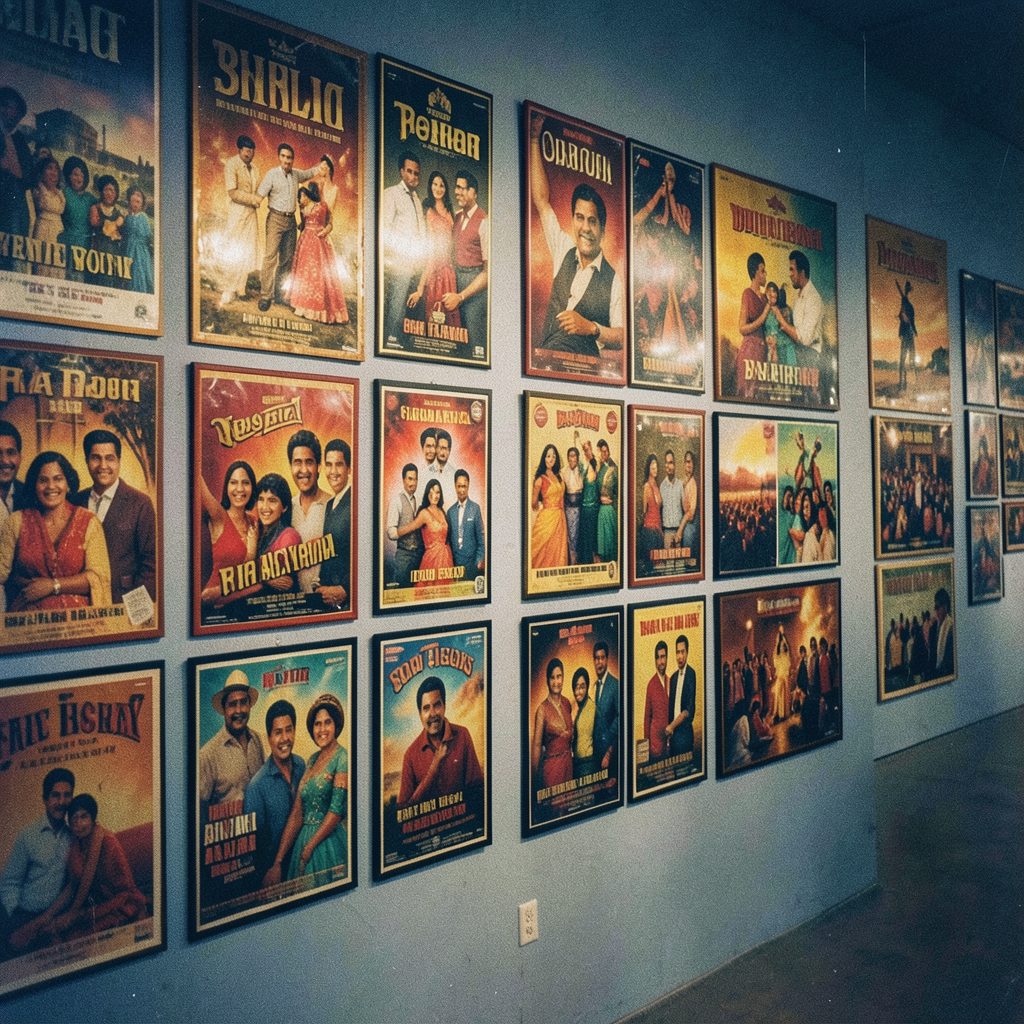

How Small-Budget Films Won Big at the 2024 Box Office
Hindi cinema’s 2024 box office story was shaped by films that did not always arrive with superstar salaries, enormous sets, or years of franchise anticipation. Several modestly budgeted productions built strong theatrical runs through word of mouth, distinctive storytelling, and carefully targeted marketing.
The biggest surprise was the commercial power of genre films. Horror, comedy, social drama, and small-town stories connected with audiences who were selective about spending on cinema tickets. When a film offered a fresh premise and delivered an entertaining experience, its limited production scale became far less important.
This shift also changed the meaning of a successful release. A film could be considered profitable through a combination of theatrical revenue, satellite rights, streaming value, and long-term audience interest. In 2024, box office performance remained crucial, but it was no longer the only measure of a small film’s impact.
Why modest productions attracted audiences
The strongest low- and mid-budget Hindi releases had clear identities. Munjya sold itself as a supernatural comedy rooted in Indian folklore, while Laapataa Ladies presented a gentle, socially aware story with an unusual central situation. Madgaon Express relied on chaotic friendship comedy instead of expensive spectacle.
These films benefited from a market in which viewers were increasingly willing to discover titles through trailers, short videos, reviews, and social media conversations. A production without a major star could still gain visibility if its concept was easy to explain and its promotional material created curiosity.
The audience response also reflected a desire for variety. Large action spectacles remained important, but viewers were tired of treating every theatrical weekend as a choice between franchise films. A well-made comedy or horror title could become a refreshing alternative, particularly when ticket prices made repeated cinema visits more selective.
Munjya became the breakout surprise
Produced as part of the Maddock Films horror-comedy universe, Munjya arrived with a comparatively controlled budget and limited dependence on traditional star power. Its cast, led by Sharvari and Abhay Verma, was not positioned as a conventional mass-market draw, yet the film developed impressive momentum after its opening weekend.
Trade estimates placed the production budget at roughly ₹30 crore, while domestic net collections moved well beyond ₹100 crore. The exact figures differ across industry trackers, but the broader result was clear: Munjya transformed a relatively inexpensive folklore-based story into one of the year’s most profitable theatrical releases.
Its performance demonstrated the commercial value of a recognizable cinematic universe without requiring every installment to feature the same lead actor. The film also used regional superstition, rural settings, comic timing, and accessible horror to create a product that felt culturally specific rather than generic.
Stree 2 expanded the mid-budget formula
Stree 2 operated on a larger scale than most small-budget successes, yet it still belonged to a more economical model than many major Bollywood action productions. With Rajkummar Rao, Shraddha Kapoor, Pankaj Tripathi, Aparshakti Khurana, and Abhishek Banerjee, the sequel combined established performers with a proven horror-comedy brand.
Released during the Independence Day period, the film benefited from a powerful holiday window and strong franchise recognition. Its theatrical run became one of the defining box office events of 2024, with domestic net earnings reported at several hundred crore and worldwide revenue reaching an exceptional level for a Hindi comedy-horror title.
The lesson was larger than the collection figure. A sequel can scale up without losing its original tone when the characters, jokes, and mythology remain familiar. The success of Stree 2 encouraged producers to view horror-comedy as a reliable theatrical category rather than a niche experiment.
| Film | Approximate production scale | Main commercial strength | 2024 outcome |
|---|---|---|---|
| Munjya | Around ₹30 crore | Folklore-driven horror comedy | Major sleeper hit |
| Madgaon Express | Around ₹35–40 crore | Word-of-mouth friendship comedy | Profitable theatrical performer |
| Laapataa Ladies | Around ₹5 crore | Social drama and critical acclaim | Modest cinema run, strong long-term value |
| Stree 2 | Mid-budget franchise production | Holiday release and established characters | Blockbuster theatrical success |
| Crew | Mid-budget commercial film | Star cast, glamour, and female-led comedy | Solid worldwide performance |
Figures are approximate industry estimates and can vary by trade source, territory, and accounting method.
Word of mouth became a powerful marketing tool
Madgaon Express showed how a comedy could hold attention after its opening weekend. Directed by Kunal Kemmu, the film used friendship, travel chaos, and adult humor to create a highly shareable viewing experience. Its campaign benefited from a simple promise: three friends, one disastrous journey, and escalating comic trouble.
The film did not need the opening-day force of a superstar vehicle. Positive audience reactions helped it maintain visibility, while clips and dialogue moments circulated online. For modestly budgeted movies, this kind of organic promotion can reduce dependence on expensive advertising and extend a theatrical run.
Laapataa Ladies followed a different path. Its initial theatrical numbers were relatively limited, but reviews, festival attention, and its later streaming release expanded its reach considerably. The film’s cultural conversation around identity, education, marriage, and rural India gave it a life beyond its first box office window.
Streaming changed the definition of a hit
A theatrical release remains the clearest public measure of a film’s popularity, but streaming platforms have added another layer to the business model. A modest production may recover a large share of its cost through digital rights, then use its cinema run to establish credibility and audience interest.
This was especially relevant for films such as Laapataa Ladies, which found a wider audience after reaching Netflix. Its streaming performance encouraged viewers who had missed the cinema release to watch and discuss it. That renewed attention strengthened the film’s reputation, even though it did not produce the explosive theatrical numbers associated with a conventional blockbuster.
For producers, the strategy is becoming more balanced. A film can be designed for theatrical discovery while retaining strong post-theatrical value. The most attractive projects are often those with contained costs, clear emotional appeal, and enough originality to perform well in reviews, social media, and digital viewing.
The economics behind the surprise returns
Small-budget films have a lower break-even point, which gives them more room to succeed. A production made for ₹20–40 crore does not need the same level of ticket sales as a ₹150-crore spectacle. If marketing remains controlled and distribution costs are managed carefully, even a moderate domestic run can create a healthy return.
Revenue is also divided among exhibitors, distributors, producers, and other rights holders, so gross collections do not equal profit. Still, the relationship between cost and earnings matters greatly. Munjya became valuable because its box office was several times larger than its reported production investment.
The challenge is that a lower budget cannot excuse weak execution. Audiences still expect polished sound, visual effects, editing, and engaging performances. The successful films of 2024 kept costs under control by investing in the elements viewers could feel most directly: writing, casting, atmosphere, comic rhythm, and memorable characters.
What filmmakers can learn from 2024
The year’s strongest performers offer practical lessons for producers planning future Hindi releases. A compact budget works best when it supports a focused creative idea rather than trying to imitate the scale of a blockbuster.
- Build the campaign around a distinctive premise that audiences can understand quickly.
- Use genre combinations, such as horror and comedy, to reach more than one viewer group.
- Protect spending on writing, casting, sound, and production design instead of chasing unnecessary spectacle.
- Release films in windows that support their audience, including holidays, festivals, or periods with limited direct competition.
- Plan theatrical, streaming, music, and satellite rights as connected parts of the business model.
The most promising projects will likely continue to come from writers and directors who understand local settings, contemporary humor, and changing viewing habits. A strong trailer may attract the first audience, but only satisfaction after the show can create the word of mouth needed for a genuine sleeper hit.
The box office success of small-budget films in 2024 proved that Hindi cinema’s commercial future is not limited to the most expensive productions. Films with fresh concepts, disciplined budgets, and emotional or comic accessibility can create major returns when audiences feel they are discovering something worth sharing. Follow Wassupbollywood for more Bollywood box office reports, release analysis, film reviews, and updates on the next generation of Hindi cinema hits.