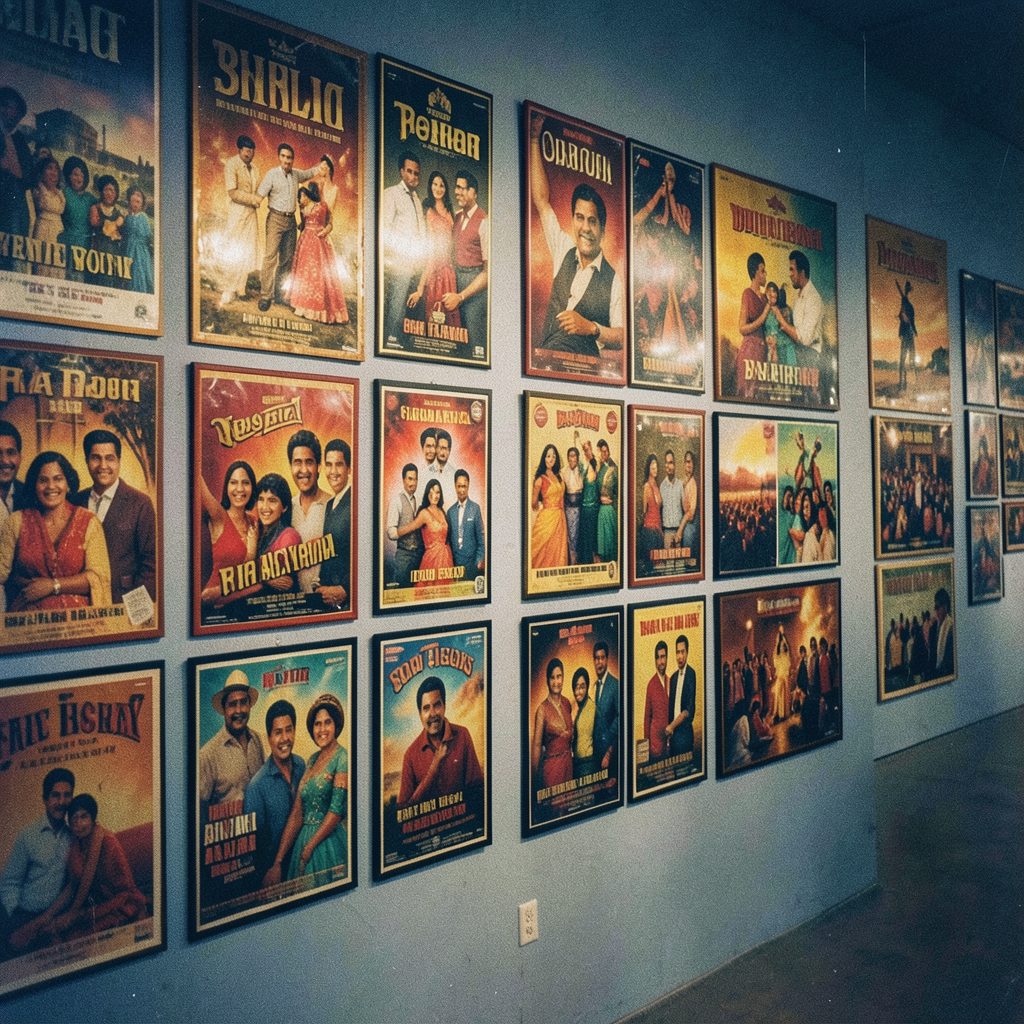

The Art of Bollywood Title Songs
A Bollywood title song does more than announce a film. It can establish a story’s emotional temperature, introduce its central relationship, define a star’s screen persona, or turn a simple phrase into a cultural catchphrase. Before the plot gathers momentum, the title track often tells audiences what kind of cinematic world they are entering.
The tradition has evolved from grand orchestral themes and poetic declarations to rap-led anthems, electronic productions, intimate acoustic pieces, and deliberately minimalist motifs. Yet the strongest examples still share a vital quality: the title is transformed into a musical idea that feels larger than its words.
For Hindi cinema, this craft sits at the intersection of melody, narrative, playback singing, choreography, marketing, and memory. A successful title song can live independently on streaming platforms while remaining inseparable from the film that created it.
From Opening Theme To Emotional Signature
In earlier decades, title songs frequently appeared near the beginning of a film, functioning almost like a musical prologue. Their lyrics could introduce a hero’s ambition, a family’s values, a romance waiting to unfold, or a social conflict. The song gave viewers a compact emotional map before the screenplay expanded the details.
Some title tracks were woven into the background score and returned in altered forms throughout the narrative. A melody heard in a celebratory opening might reappear later as a slower, sorrowful refrain. This technique gave the composition dramatic purpose rather than treating it as a standalone promotional number.
The title song also helped create a film’s identity in an era when radio, cassettes, and televised music shows shaped popular discovery. Listeners might encounter the song before seeing a poster or trailer, allowing the music to build anticipation around an unfamiliar release.
The Musical Anatomy Of A Memorable Track
The most effective compositions usually balance repetition with variation. A memorable title phrase may arrive in the chorus, but the arrangement keeps developing through changes in rhythm, instrumentation, vocal texture, or lyrical perspective. The listener recognizes the hook while still receiving a sense of movement.
Hindi film composers often draw on Indian classical ragas, folk traditions, devotional forms, jazz, disco, rock, hip-hop, and global pop. The influence is rarely a simple matter of copying a style. Instead, familiar sounds are reshaped to suit a character, setting, star image, or period. A dhol pattern can create communal energy, while a restrained piano figure can signal private longing.
Lyrics remain equally important. A title may be used as a direct declaration, a metaphor, a command, or a recurring image. Word choice determines whether the song feels poetic, conversational, rebellious, romantic, or playful. Urdu-inflected language can add elegance, while colloquial Hindi can make a chorus instantly singable.
How Title Songs Have Changed Across Eras
The history of Bollywood title music reflects broader changes in production technology and audience taste. Earlier arrangements often emphasized live orchestras, prominent string sections, elaborate percussion, and carefully layered vocal harmonies. Later decades introduced synthesizers, programmed beats, sampling, and digital editing, expanding the range of possible textures.
The shift did not eliminate melody. Instead, it changed where melody might appear. In some contemporary songs, the strongest musical identity comes from a rhythmic chant or vocal phrase rather than a long, traditionally shaped tune. The title can work as a slogan, a dance cue, or a compact brand for the film.
| Era | Common Musical Character | Typical Narrative Function | Audience Memory |
|---|---|---|---|
| 1950s–1960s | Orchestral, poetic, classically influenced | Establishes theme and emotional world | Radio and records |
| 1970s–1980s | Dramatic, melodic, disco and folk elements | Builds star image or reinforces conflict | Cassettes and television |
| 1990s | Romantic, polished, synth-led and highly tuneful | Connects title, romance, and commercial appeal | Music channels and audio releases |
| 2000s | Hybrid arrangements with pop, rock, folk, and club sounds | Supports branding and promotional campaigns | CDs, television, early digital platforms |
| 2010s–2020s | Genre-fluid, beat-driven, intimate, or minimalist | Extends the film’s identity across social media | Streaming, reels, and fan edits |
Modern title songs are often released in several formats: a full soundtrack version, a shorter film edit, a video single, and sometimes remixes in different languages. This flexibility allows one composition to serve multiple purposes, from theatrical promotion to post-release fan culture.
Playback Voices And Star Persona
A playback singer does not merely provide a technically strong performance. The voice must also belong to the emotional universe of the actor on screen. A warm, grainy, agile, or commanding vocal quality can alter how audiences perceive a character before the dialogue explains them.
This relationship between voice and image has shifted with changing ideas of stardom. A romantic hero may receive a soaring vocal performance, while an action star’s title track may use a deeper register, group chants, or percussive delivery. Female-led films have also expanded the possibilities, allowing title songs to express authority, desire, anger, humor, or independence without reducing the protagonist to a romantic symbol.
Casting trends within the industry can influence this musical landscape as well. As Bollywood increasingly experiments with international casting trends, composers and lyricists may create songs that travel across linguistic and cultural boundaries while retaining a distinctly Hindi cinematic character.
Choreography, Visuals, And Promotional Life
A title track is often completed by its visual presentation. Choreography can turn an abstract theme into physical language: a circle of dancers may express community, sharp gestures may convey rebellion, and restrained movement may preserve a song’s intimacy. Costumes, color palettes, locations, and camera movement help decide whether the track feels rooted in the film or designed primarily as a spectacle.
The music video has also become an important part of release strategy. A song may be introduced through a teaser, followed by a lyrical video, a full picturization, behind-the-scenes clips, and short-form dance content. This extended rollout can make a title phrase familiar before audiences have seen the entire film.
Still, visual scale cannot rescue an unfocused composition. The most durable songs usually make sense even when heard without choreography. Their words, melodic contour, and rhythmic character carry enough personality to survive outside the original sequence.
Regional Roots And Global Influences
Hindi cinema has always absorbed musical ideas from across India. Folk rhythms, regional instruments, devotional singing, qawwali structures, and local dance traditions have frequently entered mainstream arrangements. This exchange gives title songs a sense of place, especially when a film is tied to a particular community or landscape.
At the same time, global pop has transformed production choices. Reggaeton-style rhythms, trap percussion, Afrobeat-inspired grooves, EDM drops, and alternative R&B textures can now appear alongside tabla, bansuri, sarangi, or harmonium. The most convincing blends are guided by narrative logic rather than trend chasing.
Language is another bridge between local and global audiences. Hindi titles may be paired with English phrases, regional expressions, or transliterated hooks that are easy to remember internationally. Yet accessibility works best when the song preserves a clear emotional core instead of filling every line with fashionable vocabulary.
What Makes A Title Track Endure
Longevity depends on more than chart performance. A song becomes part of cinema history when it remains attached to a feeling, character, scene, or period in the listener’s life. A wedding, a road trip, a festival performance, or a personal heartbreak can give the same title song new meaning years after release.
The strongest compositions also invite participation. Audiences can sing the refrain, imitate the dance, quote a lyric, or use the track to express their own mood. This participatory quality explains why title songs continue to matter in an age of fragmented listening and rapidly changing trends.
- Listen for the title phrase and notice how often it returns in altered forms.
- Compare the full soundtrack version with the film edit to identify changes in pacing and emphasis.
- Pay attention to instruments that establish location, class, period, or cultural identity.
- Study the playback voice alongside the actor’s performance rather than treating the vocals separately.
- Revisit older title tracks to hear how production technology changed the role of melody.
Bollywood title songs remain a meeting point between commerce and artistry. They sell a film, but they also preserve its mood, announce its ambitions, and give audiences a portable piece of its world. Follow Wassupbollywood’s music coverage, soundtrack updates, reviews, and release news to keep tracing how Hindi cinema turns a title into a song that can outlive the screen.