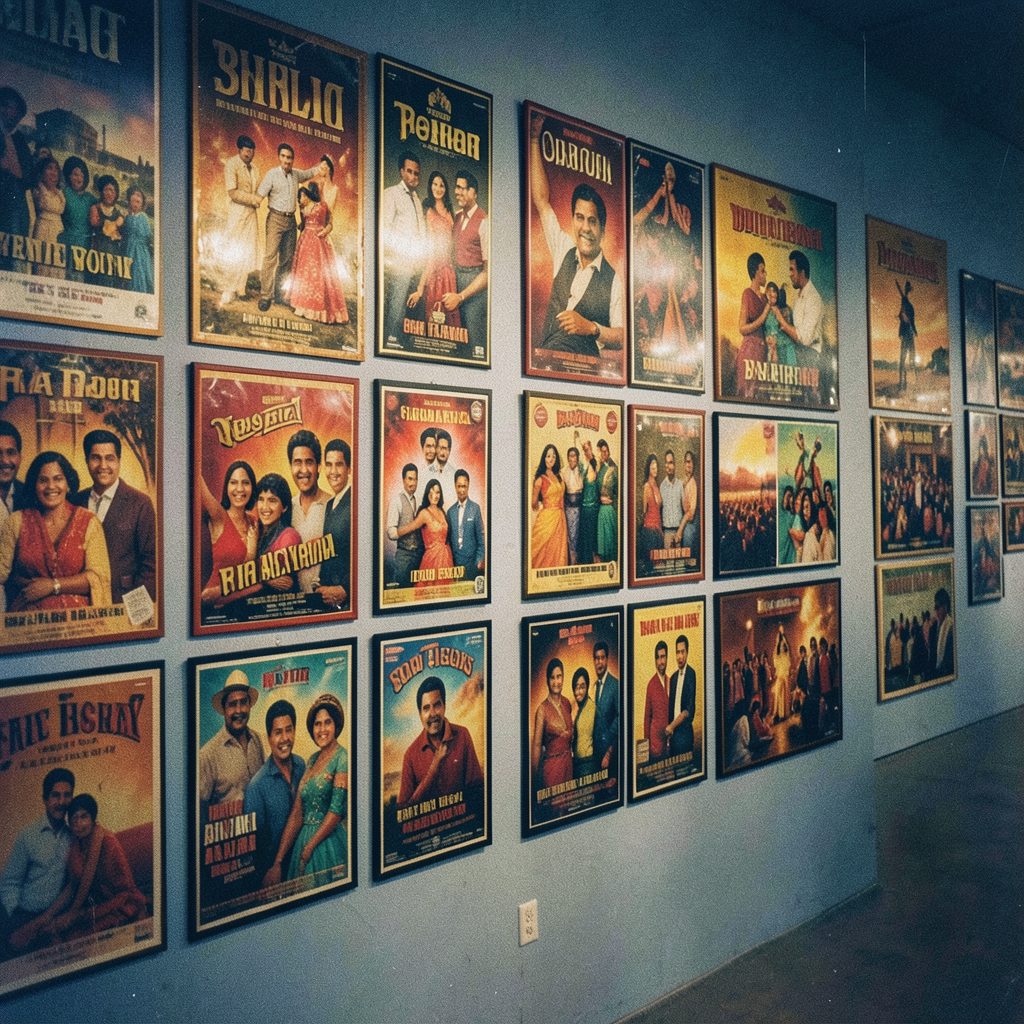

Inside the world of Bollywood film festivals at TIFF
Toronto International Film Festival turns the city into a meeting place for filmmakers, distributors, critics, actors, and audiences from around the world. For Hindi cinema, TIFF offers more than a red carpet. It creates a space where mainstream entertainment, independent filmmaking, diaspora stories, and international film culture overlap.
Inside the world of Bollywood film festivals, the most revealing moments often happen away from the cameras. A packed screening, a conversation in a hotel lobby, or a distributor studying audience reactions can say as much about the future of Indian cinema as a formal premiere.
TIFF’s importance comes from its scale and openness. It welcomes awards contenders, studio films, documentaries, genre titles, and discoveries from emerging directors. That broad identity gives Bollywood and Hindi-language cinema several ways to connect with the festival’s audience.
The city becomes a cinema circuit
During TIFF, downtown Toronto feels less like a collection of separate venues and more like one large film campus. Screenings, press events, industry meetings, and fan gatherings stretch across the city. The festival’s home at TIFF Bell Lightbox anchors much of the activity, while major venues such as Roy Thomson Hall give high-profile premieres a formal, celebratory setting.
That atmosphere matters for Indian cinema because films arrive with communities already invested in them. Toronto has a large South Asian population, and Hindi films can draw viewers who bring cultural familiarity, family memories, and a strong relationship with music and stars. At the same time, TIFF attracts international viewers who may encounter a particular Hindi film without the expectations of a domestic Bollywood release.
The result is a distinctive festival audience. Some attendees come for the filmmaker, some for the cast, and others for the chance to understand a national cinema through one carefully selected title. Their reactions become part of the film’s wider journey.
How Hindi cinema finds its place
A Bollywood film at TIFF does not need to fit a single definition. It may be a large-scale musical drama, a socially engaged independent feature, a thriller with commercial appeal, or a Hindi-language story shaped by the experiences of migration. The festival environment allows these categories to sit beside one another without forcing every film into a conventional box-office label.
Selection also changes the way a movie is discussed. In India, coverage may focus on opening-day collections, star power, songs, trailer response, and the strength of a production house. At TIFF, conversation expands toward directing choices, screenplay structure, performance style, cinematography, representation, and international audience access.
This does not make commercial instincts disappear. A celebrated premiere can strengthen a distributor’s confidence, attract sales interest, and create fresh publicity before a theatrical or streaming release. For a filmmaker, the festival can provide critical credibility without erasing the popular appeal that makes Hindi cinema distinctive.
The business behind the applause
Film festivals are cultural events, but they are also working marketplaces. Buyers, sales agents, programmers, publicists, and producers use TIFF to assess films that may travel to other territories. A strong reception can help a movie gain attention in North America, the United Kingdom, the Middle East, and other regions with established Indian audiences.
For Bollywood producers, this international path is increasingly important. Hindi films now circulate through theatrical releases, streaming platforms, airline entertainment, diaspora screenings, and festival programs. TIFF can help position a film for viewers who follow world cinema but may not regularly track Bollywood release calendars.
The business conversation includes practical questions. Can the film be marketed without extensive cultural explanation? Will subtitles preserve the humor and emotional rhythm? Does the story speak to viewers beyond the South Asian diaspora? Festivals cannot answer every commercial question, but they provide a valuable first test in front of an engaged audience.
| Festival setting | What audiences notice | Why it matters for Hindi cinema |
|---|---|---|
| Gala premiere | Star presence, scale, red-carpet energy | Builds visibility and media momentum |
| Public screening | Laughter, applause, silence, walkouts | Reveals immediate audience connection |
| Industry meeting | Sales potential, rights, distribution plans | Supports international circulation |
| Director conversation | Themes, craft, creative intent | Adds context beyond celebrity coverage |
| Critics’ screening | Form, performances, originality | Shapes serious review and awards discussion |
Festival style meets fan culture
TIFF has a polished international profile, yet its most memorable energy can be informal. Fans line up early, exchange predictions, photograph posters, and wait outside venues for a glimpse of a favorite performer. Bollywood’s relationship with its audience fits naturally into this environment because celebrity, fashion, music, and film promotion are closely connected.
Red-carpet appearances also become part of the story. A performer’s styling can travel across entertainment pages within minutes, while a director’s comments may inspire debate about casting, representation, or the changing Hindi film industry. Festival fashion is therefore more than decoration; it is part of the visual language through which films reach audiences.
Still, TIFF encourages a different kind of attention from a standard promotional tour. The presence of a star may attract the first wave of interest, but the film must hold the room through its writing, performances, and emotional impact. That balance between fandom and critical curiosity is one of the festival’s defining features.
What the screenings reveal
A festival report is incomplete without observing the room itself. Audience response can be subtle: concentrated silence during a difficult scene, laughter that crosses language barriers, applause for a particularly sharp performance, or an animated discussion after the credits. These reactions offer clues about which parts of a Hindi film travel most effectively.
Music remains a major point of connection. Even when viewers do not understand every lyric, rhythm, staging, and performance can communicate mood quickly. The same is true of family drama, romance, ambition, and moral conflict. Hindi cinema often works through heightened emotion, and a festival audience can respond strongly when that emotional design is supported by precise filmmaking.
TIFF also reveals the limits of easy assumptions. A film praised by critics may not become a mass success, while a title with modest festival attention can find a larger audience later through streaming or word of mouth. Festival prestige is one part of a film’s life, not a final verdict.
Following the conversation beyond Toronto
The value of TIFF continues after the last screening. Reviews, interviews, festival stills, distribution announcements, and audience reactions can influence how a film is understood when it reaches a wider release. For Bollywood followers, the festival becomes an early indicator of titles that may shape conversations in Hindi cinema during the months ahead.
Readers tracking this coverage should compare several kinds of response. A critic’s review can illuminate craft, while audience reactions reveal accessibility. Box-office reporting measures commercial reach, and celebrity updates show how publicity develops around the film. Together, these perspectives create a fuller picture than any single headline.
Useful habits for following Indian cinema at an international festival include:
- Check the official selection and screening schedule before relying on social media claims.
- Read reviews from both specialist film critics and publications serving South Asian audiences.
- Pay attention to subtitles, regional context, and distribution announcements.
- Separate a premiere’s red-carpet attention from evidence of long-term audience demand.
- Track later theatrical, streaming, and festival releases to see how reception evolves.
For daily updates connecting festival moments with Hindi film news, reviews, fashion, and entertainment coverage, follow Bollywood coverage that keeps the wider industry in view.
TIFF ultimately gives Bollywood a conversation larger than promotion alone. It places Hindi cinema among global film cultures while preserving the qualities that make it vibrant: musical expression, star appeal, emotional scale, and stories shaped by a changing society. Keep following the screenings, reactions, and release journeys to see which festival discoveries become the next major Bollywood conversations.