How Bollywood Movies Portray Mental Health: Progress and Pitfalls
Hindi cinema has long treated mental health as a dramatic device, a hidden backstory, or a source of comic confusion. In recent years, however, Bollywood films have begun to give anxiety, depression, trauma, neurodivergence, and therapy more visible space. This shift reflects a wider public conversation in India, where celebrities, journalists, and audiences increasingly discuss emotional wellbeing without automatically treating it as a private shame.
The change is meaningful, but representation remains uneven. A sensitive performance can help viewers recognise their own feelings, while a careless plot can reinforce the idea that mental illness makes someone dangerous, helpless, or magically cured by romance. Bollywood’s influence is especially significant because mainstream films reach families and communities that may never encounter a formal mental-health campaign.
For a publication covering Hindi cinema, audience response, film criticism, and industry trends, the subject deserves more than a simple celebration of “awareness.” Wassupbollywood’s editorial perspective can place these portrayals alongside reviews, celebrity coverage, and cultural analysis, showing how entertainment shapes everyday ideas about psychological wellbeing.
From silence to conversation
Earlier Hindi films often used mental illness as a shorthand for tragedy or villainy. Characters might be described as “mad,” locked away, or presented through exaggerated behaviour, with little attention given to diagnosis, treatment, family support, or personal agency. The language itself reflected a culture in which psychiatric care was frequently associated with weakness or social embarrassment.
Contemporary films have opened the door to more recognisable emotional experiences. Dear Zindagi presents anxiety, grief, family conflict, and therapy through Kaira’s relationship with Dr. Jehangir Khan. Its conversational tone made counselling feel accessible to mainstream audiences. Tamasha links emotional distress to identity, conformity, and suppressed creativity, while Chhichhore addresses suicide, academic pressure, and the devastating impact of shame.
These films do not solve every problem in their storytelling, yet they move mental health away from the margins. A character can now be successful, attractive, funny, or professionally capable while still struggling internally. That broader image challenges the assumption that psychological distress always has a visible appearance.
When emotional detail feels authentic
The strongest portrayals give characters lives beyond their symptoms. Taare Zameen Par helped many viewers think about dyslexia as a learning difference rather than laziness or low intelligence. Ishaan’s difficulties are shown through school pressure, misunderstanding, and the relief of finding an educator who notices his needs. The film’s emotional force comes from seeing the child as a whole person.
Dear Zindagi similarly makes room for ambivalence. Kaira does not improve in a single scene, and therapy is depicted as a process involving difficult memories, resistance, humour, and self-reflection. Although the film simplifies professional boundaries and treatment in places, it normalises the idea that seeking help is an active choice rather than evidence of failure.
Performances also matter. A nuanced actor can communicate panic, numbness, compulsive behaviour, or dissociation through small changes in speech and body language. This is more responsible than relying on wild eyes, sudden violence, or a dramatic breakdown to signal a diagnosis. Subtlety gives viewers a chance to understand rather than merely observe a spectacle.
The stereotypes that remain
The industry still frequently confuses mental illness with unpredictability and danger. Characters with psychosis or dissociative symptoms may become murderers, comic oddities, or plot twists. Such devices can make a thriller exciting, but they contribute to real-world fear and stigma. Audiences may leave remembering the sensational reveal rather than the character’s actual experience.
Bhool Bhulaiyaa is a useful example of this tension. Its treatment of dissociative identity disorder is memorable and entertaining, yet it blends psychological symptoms with possession imagery and horror conventions. Judgementall Hai Kya attempts to question who gets labelled “unstable,” but its presentation remains stylised and ambiguous. A film can criticise social judgement while still using mental distress as an aesthetic shock.
Romantic storytelling creates another pitfall. Some films imply that love, marriage, or the arrival of a sympathetic partner will heal depression and anxiety. Supportive relationships can certainly aid recovery, but they are not substitutes for therapy, medication, safety planning, or long-term community care. When romance becomes the cure, the burden of recovery may quietly shift onto another character.
What the films communicate
The contrast between progress and limitation becomes clearer when familiar titles are viewed together. Their cultural impact often depends on both what they explain and what they leave out.
| Film or approach | Valuable contribution | Recurring limitation |
|---|---|---|
| Taare Zameen Par | Makes learning difficulties visible and challenges blame | Centres a child’s transformation through one exceptional teacher |
| Dear Zindagi | Normalises therapy and emotional self-examination | Presents counselling through an unusually charming, simplified framework |
| Tamasha | Connects distress with identity, work pressure, and conformity | Suggests personal authenticity can resolve complex suffering quickly |
| Chhichhore | Opens discussion about suicide, failure, and parental expectations | Uses a highly dramatic crisis that may narrow the issue to academic pressure |
| Bhool Bhulaiyaa | Brings psychological language into popular genre cinema | Links dissociative symptoms with horror, confusion, and spectacle |
| Serious independent dramas | Allow ambiguity, trauma, and social context | Often reach smaller audiences than commercial releases |
A further concern is representation across class, gender, sexuality, disability, and region. Urban middle-class characters are more likely to receive therapy, supportive friends, and time away from work. A rural worker, domestic employee, queer person, or financially insecure parent may be shown suffering without realistic access to care. This creates a polished version of mental-health awareness that does not reflect India’s unequal healthcare system.
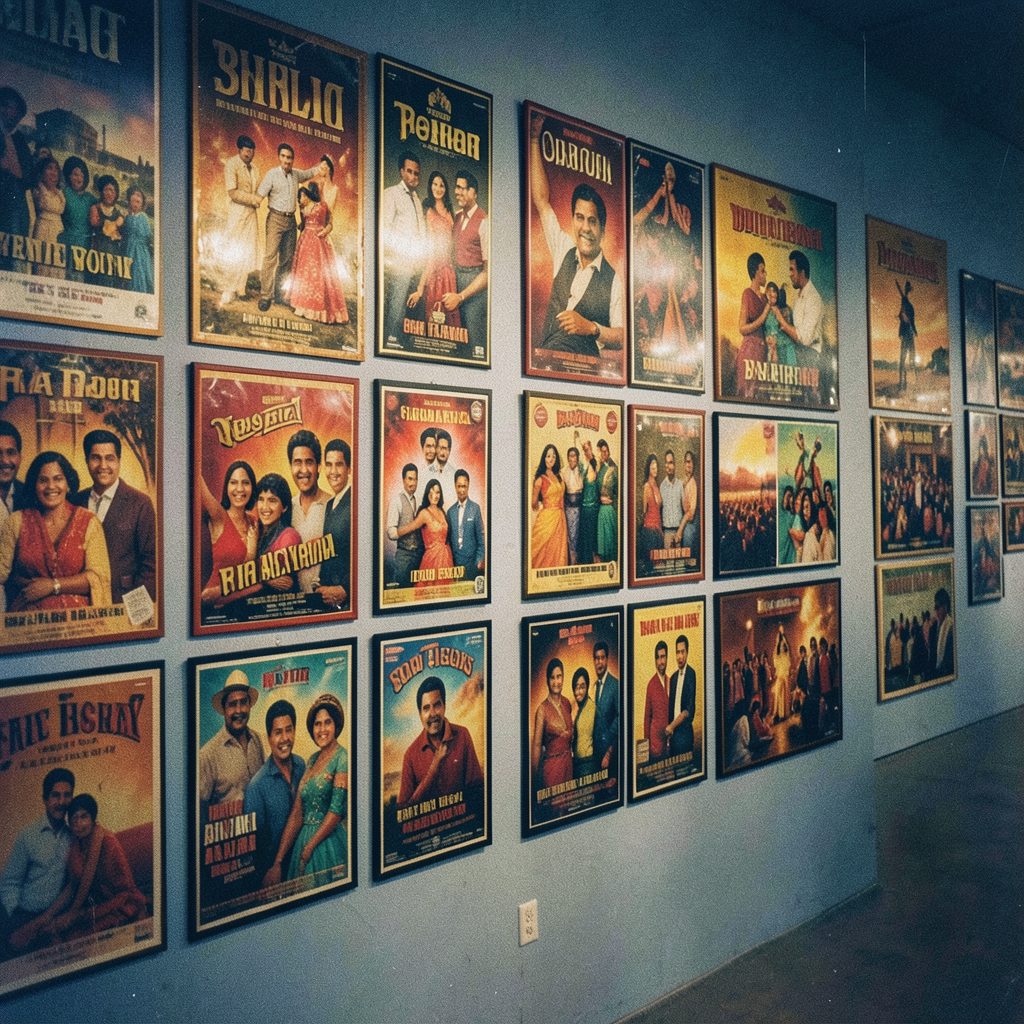
Film marketing can deepen the problem. Trailers and posters may use words such as “crazy,” “mad,” or “dangerous” to attract attention, even when the completed film is more sympathetic. Promotional campaigns also turn a diagnosis into a mystery to decode. When the advertising reduces a person to a twist, thoughtful storytelling has less chance of shaping the public conversation.
Beyond diagnosis and spectacle
Good mental-health storytelling should show systems, not just symptoms. Family dynamics, school policies, workplace pressure, financial stress, bullying, grief, discrimination, and online abuse can all influence psychological wellbeing. A diagnosis does not explain a person’s entire identity, and many people experience distress without fitting neatly into a cinematic label.
Accuracy also requires care with language. Filmmakers do not need to turn every film into a medical lecture, but they should consult psychiatrists, psychologists, counsellors, people with lived experience, and advocacy groups. These voices can identify harmful myths, suggest realistic treatment journeys, and prevent a character from becoming a collection of symptoms.
Recovery deserves equal attention. It may involve setbacks, medication changes, peer support, spiritual practice, family negotiation, or simply learning to manage daily life. A hopeful ending does not need to mean complete recovery. Sometimes the most honest resolution is a character accepting help, establishing boundaries, returning to work gradually, or surviving a difficult period without pretending it never happened.
Standards worth expecting
Viewers, critics, and filmmakers can encourage richer representation by looking for a few practical standards:
- Treat the character as a person with relationships, ambitions, humour, and contradictions beyond a diagnosis.
- Avoid presenting mental illness as automatic evidence of violence, moral failure, or supernatural danger.
- Show professional help with reasonable accuracy, including its limits, cost, uncertainty, and gradual nature.
- Include social and economic context so access to care does not appear equally available to everyone.
- Handle suicide, self-harm, and trauma with content warnings and responsible promotion rather than sensational imagery.
Critics also have a role in this process. Praising a film simply because it mentions therapy can overlook misleading ideas, while dismissing a popular movie entirely can ignore the conversations it has started. A balanced review can recognise a strong performance, question a harmful stereotype, and explain why a scene might affect audiences differently.
Bollywood’s relationship with mental health is therefore becoming more open, but openness alone is not accuracy. The next stage should bring greater diversity of experience, better research, and stories in which care is collaborative rather than miraculous. Audiences can support that progress by discussing films critically, challenging stigmatising language, and seeking reliable mental-health information beyond the screen. Keep following Wassupbollywood for thoughtful coverage of the films, performances, and cultural debates shaping Hindi cinema.