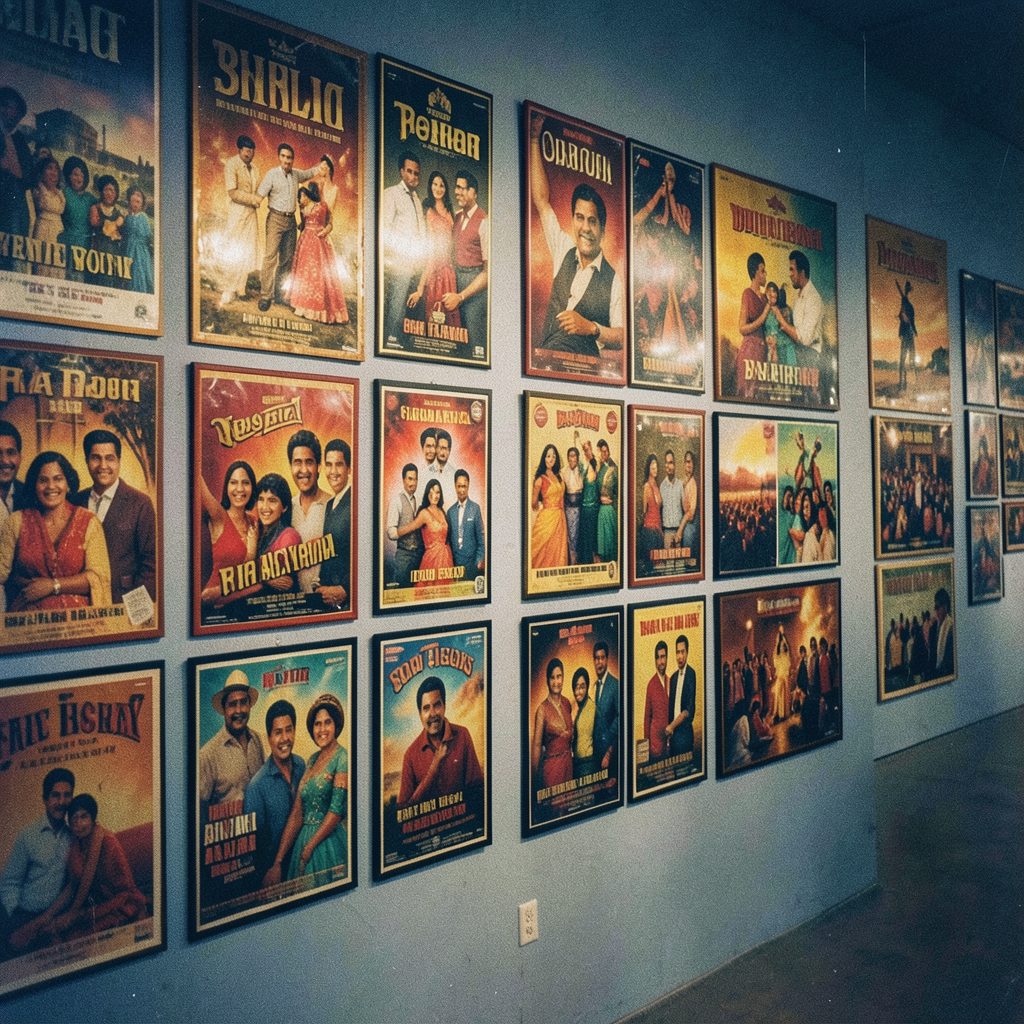

Diwali Box Office Clash Puts Two Big-Budget Films to the Test
Diwali has long been one of the most valuable release windows in the Hindi film industry. Families are in the mood to celebrate, audiences have more leisure time, and cinemas benefit from several days of strong footfall. This festive advantage, however, becomes complicated when two large-scale Bollywood films arrive on the same weekend.
This year’s box office showdown is shaped by two ambitious productions competing for premium screens, prime show timings, media attention, and the same pool of urban and family audiences. Both films carry sizeable production costs, major stars, expensive marketing campaigns, and the expectation of a powerful opening.
A clash of this scale is measured through more than the first-day collection. Advance bookings, occupancy, audience reviews, soundtrack popularity, overseas performance, and the strength of the second weekend will decide which release turns the festive period into a genuine theatrical victory.
Why Diwali Remains A Goldmine For Bollywood
The Diwali window offers a rare combination of commercial advantages. Businesses and schools often operate on holiday schedules, families make group plans, and moviegoing becomes part of the wider celebration. A well-promoted Hindi release can attract repeat viewers, corporate bookings, and audiences who may not visit cinemas regularly during ordinary weeks.
The festival also improves the prospects of films with broad appeal. Action spectacles can benefit from the excitement of a big-screen experience, while family entertainers can draw multigenerational groups. A film that connects with both segments has a much stronger chance of sustaining momentum after the opening weekend.
Yet the same opportunity creates intense competition. When two major releases target the same dates, the festive boost is divided. Screen allocation becomes a major point of negotiation, especially in multiplexes where exhibitors must balance advance demand with fair access for both titles.
Two Films, Two Commercial Strategies
The first contender is likely to depend on scale, star power, and visual spectacle. A high-concept action drama or franchise film can create immediate curiosity through teaser cuts, international locations, elaborate set pieces, and a recognizable cinematic universe. Its marketing will focus on event value and the promise of a theatrical experience that cannot be replicated at home.
The second film may compete through emotional reach, strong characters, music, and a story designed for repeat family viewing. A romantic comedy, social drama, or mass entertainer can become especially powerful if its trailer communicates warmth and memorable dialogue. Word of mouth could become its greatest advantage if early audiences respond enthusiastically.
These different strategies make the clash harder to predict. A film may lead in advance bookings but lose ground if reviews are mixed. Another may open more modestly yet grow rapidly through positive audience feedback. The Diwali winner will be the title that converts attention into sustained occupancy across multiple audience segments.
The Metrics That Will Shape The Race
Opening-day numbers will dominate headlines, but they will not tell the entire story. Advance sales in major cities will reveal which film has stronger pre-release demand, while single-screen bookings will indicate whether either title has achieved genuine mass-market appeal. Ticket pricing will also affect gross collections, making occupancy and admissions equally important measurements.
The first weekend will establish the initial leader, although the first Monday can provide a clearer picture of audience acceptance. A strong weekday hold suggests that a film is reaching families and casual moviegoers beyond the fan base. A sharp decline may indicate that the opening was powered mainly by curiosity, promotions, or organized fan activity.
The overseas market adds another layer to the competition. A star-led production with strong appeal in the Gulf, North America, the United Kingdom, and Australia can recover a significant portion of its investment internationally. Meanwhile, a culturally rooted story may perform best in India and selected diaspora markets. Distribution costs, revenue sharing, and satellite and streaming rights will determine the final profitability equation.
How The Clash Could Unfold
| Performance factor | Film built around spectacle | Film built around story and emotion |
|---|---|---|
| Likely opening strength | Strong advance bookings and fan-driven demand | Moderate to strong, depending on trailer response |
| Core audience | Action fans, youth, franchise followers | Families, couples, and repeat viewers |
| Key advantage | Event appeal and visual scale | Word of mouth and emotional connection |
| Main risk | High expectations and expensive production | Lower initial hype and limited screen access |
| Critical turning point | First audience reviews | Second-day growth and weekday stability |
| Long-term earning potential | Strong if the franchise delivers | Strong if repeat viewing develops |
Exhibitors will play a decisive role in this contest. Multiplex chains may initially divide screens according to negotiated agreements, but show timings can shift quickly when one film records higher occupancy. Prime evening and weekend slots are especially valuable, while early morning and late-night shows can reveal the depth of fan demand.
Regional performance will also separate the two releases. A film with mass dialogue, familiar themes, and strong dubbed versions may dominate smaller cities and single-screen venues. Another could lead in metropolitan centres because of premium formats, sophisticated marketing, or a younger audience base. National rankings can hide these important differences.
Marketing Can Change The Opening Weekend
The promotional campaign begins long before the first show. A memorable teaser can establish the film’s identity, while a successful trailer must explain the emotional stakes without revealing too much of the plot. Songs, behind-the-scenes footage, interviews, and public appearances will keep both releases visible during the crowded festive season.
Music may become an unexpected advantage. A popular title track can bring casual viewers into the conversation, especially when choreography and celebrity appearances generate short-form video trends. In contrast, a film with limited musical material will need to depend more heavily on action footage, dialogue promos, reviews, and the credibility of its cast.
Release-date announcements can also influence audience perception. If one production appears to move away from the clash, trade observers may interpret the decision as caution. If both remain committed to the same weekend, the narrative becomes a direct test of confidence. The resulting media coverage itself can increase public interest, turning the release calendar into part of the entertainment story.
Star Power Meets Content Expectations
Large names can guarantee visibility, but they cannot fully protect a film from weak audience reactions. Fans may purchase opening-day tickets based on a favorite actor, yet sustained business depends on screenplay quality, pacing, performances, and the satisfaction offered by the ending. Diwali audiences often arrive with high expectations because ticket prices are elevated and group outings require planning.
The supporting cast will matter as well. A compelling antagonist, popular character actor, or fresh pairing can give a film additional promotional value. Directors with a record of delivering commercial entertainers bring their own audience trust, while a new creative combination may attract attention through novelty.
Content positioning will decide whether both films can coexist. If one appeals mainly to action enthusiasts and the other offers a family-friendly drama, the market may expand enough to accommodate both. If their genres, age groups, and viewing occasions overlap heavily, even a strong festive demand may leave one release struggling for space.
What Will Decide The Winner
- The quality of the final trailer and the clarity of each film’s central promise
- Advance booking strength across multiplexes, single screens, and major cities
- Audience reviews during the first two days and the speed of social media word of mouth
- Screen allocation, show timings, ticket pricing, and access to premium formats
- Weekday occupancy, overseas collections, and the size of the second weekend
The financial result will also depend on how efficiently each film manages costs. A large opening does not automatically equal a profitable run if production and marketing expenses are exceptionally high. Streaming, television, music, and international distribution rights may reduce the theatrical pressure, but a big-budget Hindi film still needs strong domestic collections to be considered a major success.
For audiences, the clash creates an unusually rich festive choice. For exhibitors, it presents a logistical challenge that requires constant adjustment. For the industry, it offers a valuable test of whether Bollywood can sustain two event films in the same release corridor.
The final winner may be the film with the biggest first-day figure, or it may be the quieter release that earns stronger audience loyalty over several weeks. Track advance sales, occupancy reports, reviews, and regional trends with Wassupbollywood for the latest Diwali box office updates, film analysis, celebrity coverage, and collection predictions.