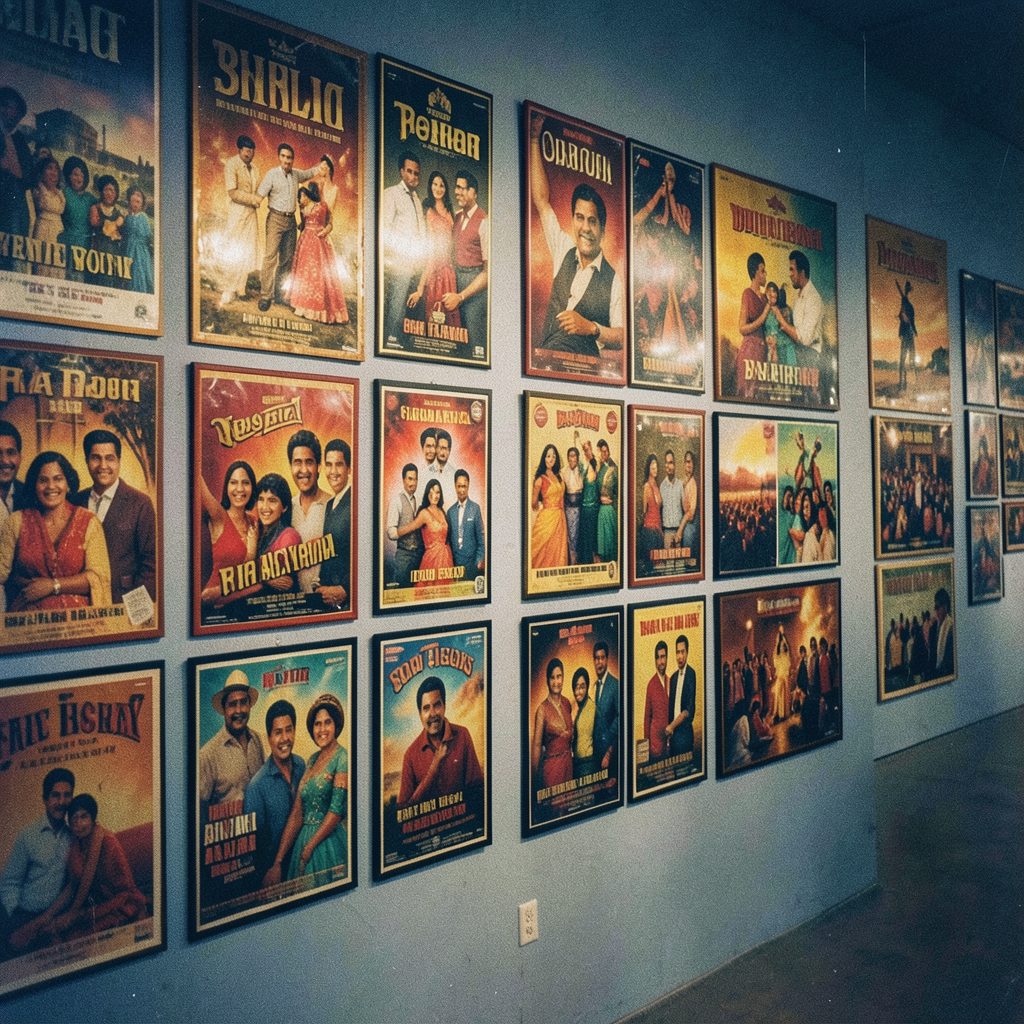

Bollywood’s retro songs find a new rhythm in modern films
Hindi cinema has always had a strong relationship with its musical past. Melodies from the 1950s through the 1990s continue to appear in new releases, trailers, wedding sequences, dance numbers, and promotional campaigns. Their appeal is easy to understand: a familiar tune can trigger memories before a scene has fully unfolded.
The return of classic film music is also changing the way contemporary Bollywood tells stories. Some filmmakers use an original recording to create emotional depth, while others commission a remake with a faster beat, new production, or a modern vocal performance. The result can be celebratory, ironic, romantic, or deliberately unsettling.
This renewed interest goes beyond simple nostalgia. It reflects the influence of streaming platforms, short-video apps, music labels, and younger viewers who discover vintage Hindi songs through digital playlists. In this environment, an old melody can become a fresh cultural event.
Why old melodies still work
Retro Hindi songs carry emotional associations that newer tracks often need years to build. A listener may connect a familiar chorus with childhood, family celebrations, classic cinema, or a particular star. When that melody enters a current film, the audience brings its own memories into the scene.
The musical structure also helps. Many golden-era songs were built around memorable vocal lines, clear lyrics, and arrangements that allowed the tune to remain prominent. Contemporary production can add electronic bass, hip-hop percussion, orchestral layers, or club energy without removing the central hook.
Film history gives these songs additional value. A composition associated with a legendary actor, composer, or playback singer can instantly establish a period, a mood, or a character’s personality. Even viewers who have never watched the original movie may recognize the song from family playlists, television reruns, or online clips.
From faithful reprise to full reinvention
Modern Bollywood uses several forms of musical revival. A filmmaker may place the original recording in a scene, commission a cover version, sample a short phrase, or rebuild the entire composition as a dance number. These choices produce very different results.
The use of “Mungda” in Total Dhamaal, “Aankh Marey” in Simmba, and “Husn Parcham” in Zero illustrates how older hooks can be adapted for new stars and new choreography. Films such as Bhool Bhulaiyaa 2 also showed how a recognizable song can become a major promotional asset when its visual presentation matches the energy of a current franchise.
At times, the remake is designed for a nightclub, wedding, or celebration sequence. In other cases, a vintage song is used in the background to contrast with a character’s present situation. The purpose is not always to reproduce the original mood; it can be a way to create humor, irony, or a sharp change in tone.
What changes when a classic song returns
The revival of a familiar song can help a film reach multiple generations at once. Older viewers recognize the source, while younger audiences encounter the melody through a new arrangement, cast, and visual language. This creates a bridge between classic Hindi cinema and current mainstream entertainment.
| Revival approach | Main strength | Common risk | Best use |
|---|---|---|---|
| Original recording | Preserves authentic vocals and atmosphere | May feel disconnected from the new scene | Emotional or period-based storytelling |
| Vocal cover | Offers a cleaner contemporary performance | Can invite comparisons with the original | Romantic sequences and softer narratives |
| Recreated dance track | Delivers immediate energy and promotional appeal | May reduce a nuanced song to a hook | Weddings, parties, and commercial entertainers |
| Sample or short motif | Adds recognition without taking over the scene | The reference may feel too brief | Background scoring and character moments |
| Complete reimagining | Gives the melody a distinct modern identity | Can alienate fans of the source | Bold genre shifts and franchise films |
Rights management has become an important part of this process. A producer must secure permissions for the composition, lyrics, sound recording, and sometimes the original performance. Credits, royalties, and agreements with music publishers can affect when a song reaches streaming services and social platforms.
For music labels, an old hit offers an existing audience and strong search value. For filmmakers, it provides an immediate marketing hook. Yet commercial logic cannot guarantee artistic success. A song must still fit the story, and a famous refrain cannot repair weak choreography or an awkwardly placed sequence.
Nostalgia as a storytelling device
The most effective uses of retro music are connected to character and setting. A vintage song playing in a parent’s home may reveal family history. A recording heard during a road trip may expose a character’s taste. A classic dance number performed at a wedding can show how tradition is being reshaped by a younger generation.
Period films use familiar music in a different way. Instead of borrowing a hit simply for recognition, they may recreate the sound of a particular decade through analog textures, orchestration, and vocal style. This makes the soundtrack part of the world-building and gives the audience a stronger sense of time.
There is also room for contrast. A cheerful old song placed beneath a tense scene can create unease, while a romantic classic used during a breakup can underline emotional distance. Such choices allow filmmakers to use nostalgia with intelligence rather than treating it as decoration.
Why remixes divide listeners
A recreated track can become a chart success while still attracting criticism. Fans often object when a delicate melody is converted into a loud dance production, or when iconic lyrics are shortened to make room for a repetitive beat. The debate is especially strong when the original song is closely associated with a celebrated singer.
Supporters of remixes point out that reinterpretation keeps older music visible. A new arrangement can introduce a composition to listeners who might never explore the original film. It can also give performers, producers, and choreographers an opportunity to engage with the past through their own creative language.
The difference often lies in intent and execution. A thoughtful adaptation preserves the emotional core while finding a fresh setting. A rushed remake may rely on recognition alone. Audience reaction, soundtrack longevity, and the song’s relationship to the film usually reveal which approach has worked.
Building a stronger retro revival
Filmmakers, music labels, and performers can make these revivals more meaningful by treating vintage material as creative source material rather than a shortcut to publicity. A few practical principles can support that balance:
- Choose a song whose lyrics, rhythm, or history reflects the scene and the characters.
- Credit the original composers, lyricists, singers, and musicians prominently across music platforms.
- Preserve the defining melody while allowing modern production to serve the film’s tone.
- Give new vocalists and arrangers room to contribute instead of imitating every detail.
- Release the original version alongside the remake so audiences can explore the musical connection.
Digital distribution makes this approach easier to sustain. A film can publish a recreated track, an original-song playlist, behind-the-scenes footage, and an explainer about the source material. These additions deepen fan engagement while directing attention toward the broader history of Hindi film music.
Short-form video has also changed how retro songs travel. A chorus may become popular through a dance challenge, a fashion reel, or a fan edit before the full film reaches audiences. This can expand a song’s reach, though it may also detach the melody from its narrative context.
The next chapter for classic Hindi music
The renewed use of vintage melodies is likely to continue as Bollywood explores franchise cinema, musical dramas, biographical films, and period stories. Streaming services have made older soundtracks easier to access, while recommendation algorithms regularly place classic songs beside new releases.
The strongest future examples will probably mix respect with experimentation. Some may use the original voice recording as an emotional anchor. Others may rebuild a composition through indie pop, electronic music, rap, or regional influences. The important question will be whether the new version adds meaning to the film.
Retro music does not belong only to the past. When placed carefully within a modern story, it can connect generations, enrich character development, and make a soundtrack feel larger than its release cycle. Follow Wassupbollywood for Bollywood music news, remake debates, soundtrack reviews, release updates, and the classic songs finding fresh life on screen.