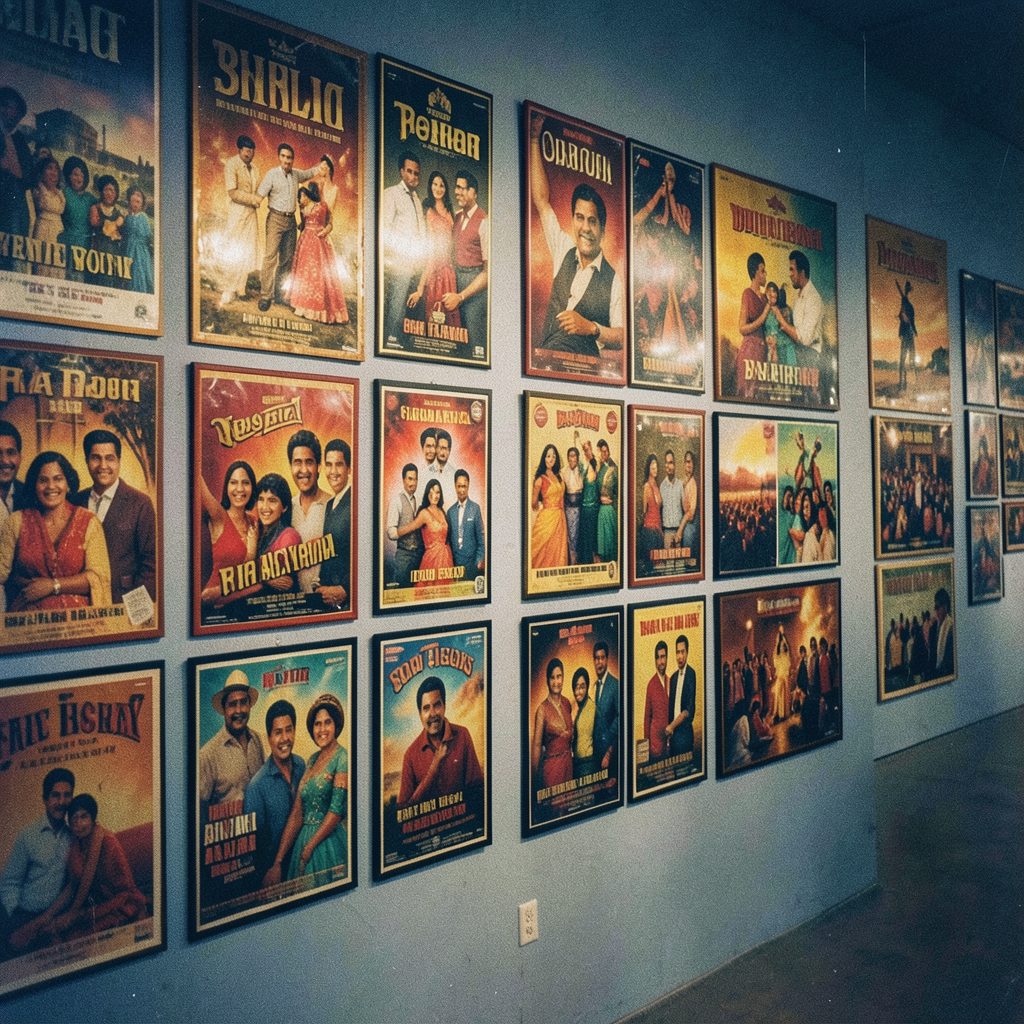

Bollywood’s next great biopic stories
Bollywood has always been drawn to lives that already contain the ingredients of cinema: ambition, scandal, sacrifice, reinvention and public triumph. A real person arrives with a built-in audience, a recognizable legacy and a dramatic arc that can be shaped for the big screen. From athletes and musicians to political leaders and film icons, Hindi cinema continues to turn public memory into popular entertainment.
The modern biopic has also become a useful meeting point between prestige filmmaking and mainstream box office appeal. A well-cast star can attract fans, while a powerful personal journey gives the film awards-season weight. Yet audiences are becoming more alert to exaggeration, selective storytelling and unauthorized portrayals.
That tension makes the next wave especially interesting. Several subjects have already been linked to potential Hindi films, while others look increasingly attractive because their careers combine cultural influence with private conflict. The most successful projects will need to offer more than a familiar name and a collection of recreated photographs.
Why real lives remain box office material
A biographical drama gives filmmakers an emotional shortcut. Viewers may already know the subject, but they still want to see the private decisions behind a public image. The appeal lies in discovering how a champion handled failure, how an artist survived rejection or how a celebrated figure paid a personal price for success.
Star power strengthens that connection. When an actor disappears into the mannerisms, voice and physical presence of a famous personality, the performance becomes a major attraction in itself. Films such as Bhaag Milkha Bhaag, Mary Kom, Sardar Udham and The Dirty Picture showed how a recognizable life can support both commercial promotion and serious storytelling.
The genre also fits Bollywood’s interest in inspirational cinema. A story about overcoming poverty, social barriers or professional humiliation can be marketed across generations. However, the formula becomes predictable when every subject is presented as flawless, misunderstood and destined for greatness from the beginning.
The strongest stories waiting in the wings
Kishore Kumar remains one of the most obvious candidates for a major Hindi biographical film. His journey moved from reluctant actor to legendary playback singer, composer, director and eccentric public personality. His marriages, friendships, creative feuds and complicated relationship with the film industry could produce a musical drama with unusual emotional range. Reports of a potential project involving Anurag Basu and Ranbir Kapoor have increased interest, although details should be treated carefully until production is formally confirmed.
Cricket offers another deep pool of material. A film about Sourav Ganguly could explore regional identity, leadership, confrontation and the transformation of Indian cricket in the early 2000s. Yuvraj Singh’s career has a different shape, combining explosive sporting success with illness, recovery and an emotional return to public life. Both stories would need a strong point of view rather than a straightforward match-by-match retelling.
Indian music also has several screen-ready lives. Singers such as Usha Uthup and composers who crossed linguistic and cultural boundaries could bring a fresh texture to the genre. A carefully made film about a woman who built authority in a male-dominated recording industry would also expand the usual biopic focus beyond sports heroes and political icons.
For readers tracking release news, casting reports and early industry signals, Bollywood coverage can help place these possible projects within the wider Hindi cinema landscape. Rumours often change quickly, so the difference between an announced film, a reported collaboration and an idea under discussion matters.
Subjects that could change the formula
The next memorable biopic may come from a less obvious field. Verghese Kurien, the force behind India’s dairy cooperative movement, offers a story about economics, rural development and nation-building without relying on celebrity glamour. A film about him could combine personal idealism with institutional conflict and the practical difficulties of transforming millions of lives.
Indian women in public life also deserve greater representation. Writers, entrepreneurs, scientists, mountaineers, journalists and activists have experienced extraordinary professional battles that have rarely received the scale given to male leaders and sports stars. Their stories could bring workplace discrimination, family pressure and social change into the centre of a commercial drama.
There is room for complex cultural biographies as well. A filmmaker might examine the life of a theatre innovator, a pioneering cinematographer or an independent producer who challenged the studio system. Such projects would allow Bollywood to explore its own history instead of repeatedly borrowing the familiar structure of a sports victory or political struggle.
How potential projects compare
The best subject is not necessarily the most famous person. It is the figure whose life contains contradiction, transformation and visual possibility. A public legacy creates awareness, but the film still needs scenes that reveal character rather than simply repeat Wikipedia-style milestones.
| Potential subject | Core dramatic appeal | Film challenge | Likely audience |
|---|---|---|---|
| Kishore Kumar | Musical genius, eccentricity and emotional turbulence | Balancing myth with private complexity | Music lovers and mainstream Hindi audiences |
| Yuvraj Singh | Sporting glory, illness and resilience | Avoiding a predictable inspirational tone | Cricket fans and younger viewers |
| Sourav Ganguly | Defiance, leadership and cricket’s changing culture | Recreating a well-documented public era | Sports audiences and Bengali viewers |
| Verghese Kurien | Social enterprise and rural transformation | Making policy and economics cinematic | Family audiences and prestige-film viewers |
| A pioneering female artist | Talent, sexism and professional independence | Finding a star with the right creative credibility | Women, music fans and urban audiences |
| A Hindi cinema innovator | Industry struggle and artistic risk | Competing with nostalgia-driven expectations | Film enthusiasts and cinephiles |
Authenticity matters more than imitation
Casting will be one of the biggest decisions in every upcoming biopic. Physical resemblance can attract attention, but it cannot replace emotional accuracy. The actor must understand the subject’s rhythm, humour, silences and relationship with power. Vocal coaching, movement training and period styling can help, yet overdone mimicry may turn a serious life into an impression.
Screenwriters face an even more delicate task. Real people do not live in neat three-act structures. Careers contain dead ends, contradictory motives and long periods when nothing visibly dramatic happens. The screenplay must compress time without inventing unnecessary villains or reducing supporting characters to obstacles.
Consent and access are equally important. Living subjects, relatives and estate managers may influence permissions, music rights, photographs and legal clearances. An authorized film can still be critical, but an unauthorized portrayal carries greater risk when it presents disputed events as settled fact.
The audience is demanding a fuller picture
Viewers are increasingly skeptical of sanitized hero worship. They want to know what success cost the subject, who was excluded from the official story and whether the central figure made serious mistakes. That appetite has grown alongside streaming dramas, documentaries and online archives that offer more context than a conventional theatrical biopic can provide.
This does not mean every film must become an investigative exposé. A warm, entertaining portrait can work if it acknowledges ambiguity. The crucial point is honesty of tone. A film should announce whether it is a celebratory tribute, a critical reconstruction or a fictionalized interpretation inspired by real events.
The music, production design and publicity campaign will also shape reception. Recreated concerts, stadiums, studios and historical settings can create a strong big-screen experience, but spectacle should support the character. Audiences may forgive compressed timelines; they are less forgiving when emotional manipulation replaces credible human behaviour.
What filmmakers should prioritize
Before a new project enters production, its creative team should establish a clear boundary between documented history and dramatic invention. That decision can prevent legal confusion and help the marketing communicate what kind of film audiences are about to see.
- Choose a defining emotional conflict instead of attempting to cover an entire lifetime.
- Give significant relationships their own perspective rather than using them as background decoration.
- Research regional language, class, profession and period details with specialist guidance.
- Treat flaws, failures and ethical compromises as part of the subject’s identity.
- Build the music and visual design around the person’s world, not only around trailer moments.
The most promising future biopics will probably come from lives that reveal something larger about India: how ambition changes families, how institutions resist reform, how fame affects identity and how ordinary people respond to extraordinary pressure. That is why the genre still has room to surprise audiences.
Bollywood’s love for biopics will continue, but the next landmark film will need curiosity as well as admiration. As new announcements, casting choices and release dates emerge, follow the developing stories, compare the evidence behind the rumours and watch for the real-life journeys that deserve a thoughtful place on screen.