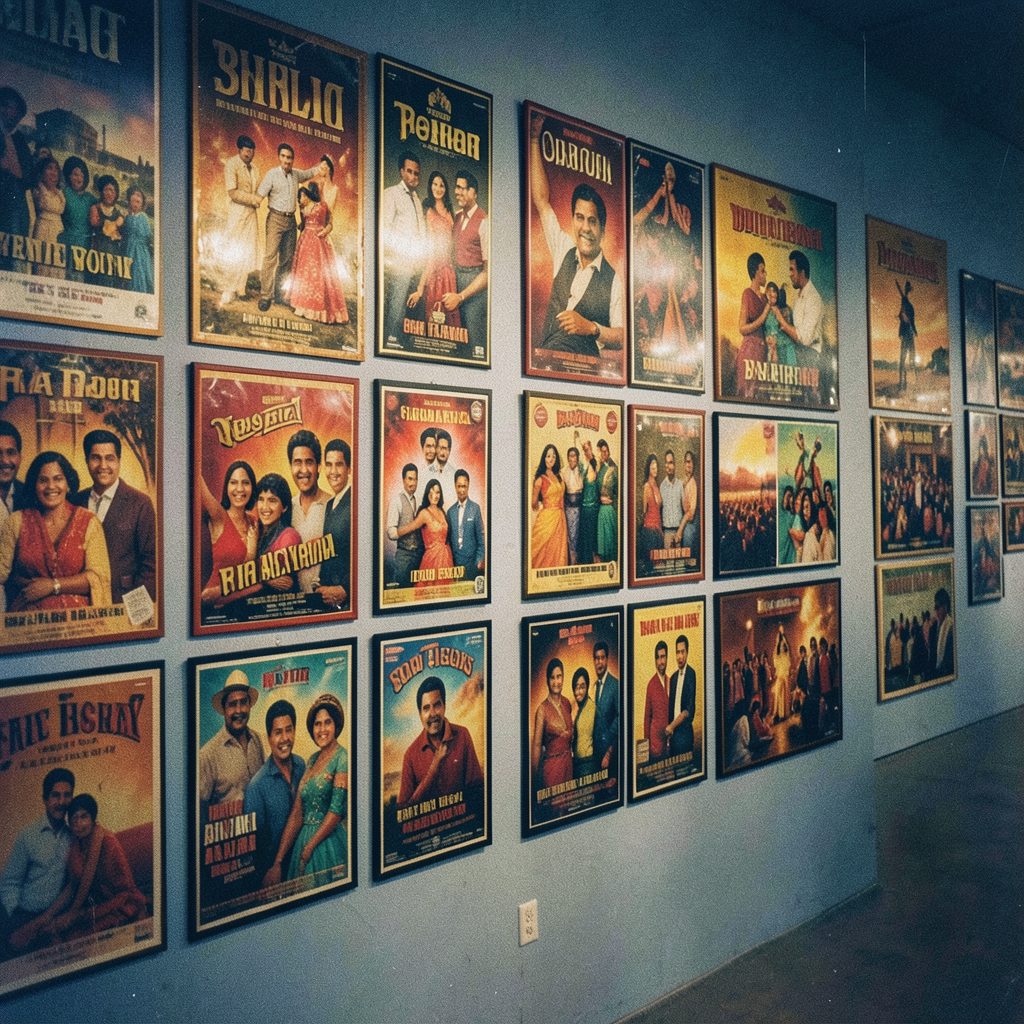

Bollywood romantic comedies that defined the last decade
The last decade gave Hindi cinema a lively collection of love stories shaped by awkward first meetings, family expectations, social pressure and the small negotiations of everyday relationships. From small-town romances to urban marriage dramas, these films refreshed the familiar romantic comedy with sharper writing and more recognisable characters.
For this selection, the decade covers releases from 2015 through 2024. The period includes theatrical successes, cult favourites and films that stretched the boundaries of the traditional Bollywood rom-com. Some are openly comic, while others use humour to explore intimacy, class, gender and changing ideas of partnership.
The strongest entries work because their couples feel imperfect. They argue about money, parents, body image, commitment and personal freedom. Their romance develops through banter and conflict rather than instant declarations, making these films especially appealing to viewers looking for warmth alongside entertainment.
The decade found romance in ordinary lives
Dum Laga Ke Haisha established an important direction for modern Hindi romantic cinema. Set in Haridwar, the film follows Prem and Sandhya, a mismatched couple whose arranged marriage begins with embarrassment and resentment. Bhumi Pednekar’s assured performance and Ayushmann Khurrana’s restrained comic timing give the story an emotional honesty that goes beyond conventional Bollywood glamour.
The film’s central strength is its treatment of body image and self-worth. Sandhya is never reduced to a makeover project, and the romance grows when Prem learns to see her as a complete person. Its gentle humour, retro music and middle-class setting make it one of the most grounded love stories of the period.
Bareilly Ki Barfi brought a different kind of energy. Kriti Sanon plays Bitti, a free-spirited young woman in Bareilly who believes she has found a kindred spirit in the author of a romantic paperback. Rajkummar Rao and Ayushmann Khurrana create a wonderfully chaotic triangle around her, with mistaken identities and elaborate deceptions driving the comedy.
The film succeeds through its lively supporting cast and affectionate portrait of a provincial town. The romance feels colourful without mocking its setting, while Bitti’s independence gives the story a modern edge. It remains an easy recommendation for viewers who enjoy witty dialogue, eccentric characters and a satisfying happy ending.
Marriage, family and modern matchmaking
Shubh Mangal Saavdhan turned erectile dysfunction into the subject of a mainstream romantic comedy, a bold move that could easily have become crude. Instead, the film uses embarrassment and family interference to examine how silence can damage intimacy. Ayushmann Khurrana and Bhumi Pednekar make the central relationship believable because their characters are affectionate even when they are confused and frustrated.
The sequel, Shubh Mangal Zyada Saavdhan, shifted the conversation toward same-sex love and parental acceptance. Its tone is broader and more theatrical, but the film helped place queer romance inside a familiar Hindi comedy framework. Both films reflect Bollywood’s increasing willingness to discuss personal issues that older romantic dramas often avoided.
Luka Chuppi uses a live-in relationship to create its comic engine. Rashmika and Kartik Aaryan’s characters pretend to be married after moving in together, hoping to avoid conservative family scrutiny. The premise produces farcical situations, yet the film also captures the pressure faced by couples who want independence in a socially watchful environment.
Zara Hatke Zara Bachke takes place after the wedding, when romance must survive cramped housing, financial strain and emotional fatigue. Vicky Kaushal and Sara Ali Khan play a young married couple whose relationship is tested by practical problems rather than a rival or dramatic villain. Its mix of domestic humour and sentiment gives the modern marriage film a relatable texture.
How the films compare
The following snapshot highlights the different flavours within this decade of Hindi romantic comedy, from intimate relationship dramas to colourful ensemble entertainers.
| Film | Release year | Central romantic conflict | Distinctive appeal |
|---|---|---|---|
| Dum Laga Ke Haisha | 2015 | Arranged marriage and body image | Warm, grounded storytelling |
| Bareilly Ki Barfi | 2017 | Mistaken identity and emotional confusion | Small-town wit and strong ensemble |
| Shubh Mangal Saavdhan | 2017 | Intimacy and social embarrassment | Sensitive humour around a taboo |
| Luka Chuppi | 2019 | Live-in love versus family expectations | Fast-paced situational comedy |
| Rocky Aur Rani Kii Prem Kahaani | 2023 | Cultural differences between families | Lavish spectacle with social themes |
| Teri Baaton Mein Aisa Uljha Jiya | 2024 | Human love and artificial intelligence | Sci-fi premise with rom-com charm |
The comparison also shows how widely the genre has expanded. A romantic comedy can now be a story about a newly married couple, an arranged match, an unconventional household or even a relationship between a human and an advanced robot. The common thread is the use of humour to reveal emotional vulnerability.
Chemistry beyond conventional couples
Rocky Aur Rani Kii Prem Kahaani revived the grand family romance for a new generation. Ranveer Singh and Alia Bhatt bring exuberant chemistry to Rocky and Rani, whose relationship is challenged by the cultural and ideological differences between their families. The film combines songs, bright costumes and melodrama with questions about sexism, language, privilege and inherited prejudice.
Its old-fashioned scale is part of the appeal, yet the writing gives the couple contemporary concerns. Love here requires more than winning over parents; it demands that families examine their own behaviour. The result is a colourful romantic entertainer with enough social commentary to remain engaging after the musical spectacle fades.
Dream Girl and Dream Girl 2 use mistaken identity in a more overtly commercial way. Ayushmann Khurrana’s characters create confusion by impersonating a woman over the telephone, leading to escalating lies and romantic complications. The humour is uneven, but the films demonstrate how voice, performance and social expectations can become comic tools in mainstream Hindi cinema.
Sonu Ke Titu Ki Sweety is a looser fit for the genre, since its central conflict is as much about male friendship as romance. Still, its battle between a possessive best friend and a seemingly manipulative fiancée reflects a recurring Bollywood question: can romantic love coexist with older loyalties? Its catchy music and quotable scenes made it a major pop-culture success.
Sci-fi, darker emotions and unusual pairings
Teri Baaton Mein Aisa Uljha Jiya brings artificial intelligence into the Hindi rom-com. Shahid Kapoor plays a man who falls for a highly advanced robotic woman, played by Kriti Sanon, and the story uses the unlikely pairing to explore attraction, family approval and the limits of programmed behaviour. The premise is playful, even when the emotional logic becomes deliberately fantastical.
The film belongs to a growing category of Bollywood romance that borrows from science fiction while retaining songs, family comedy and familiar emotional beats. Its appeal lies in the contrast between a technologically unusual relationship and the very traditional household reactions surrounding it.
For viewers seeking something more tonally complex, Haseen Dillruba offers romance mixed with mystery and psychological thriller elements. It is not a conventional romantic comedy, but its volatile marriage, dark wit and melodramatic twists show how Hindi filmmakers have been blending romance with other popular genres. That experimentation has made the decade’s love stories less predictable.
A watchlist for different romantic moods
The best choice depends on whether the evening calls for gentle emotion, rapid-fire comedy, family drama or a more unconventional premise. These films offer a useful starting point:
- Choose Dum Laga Ke Haisha for a tender, realistic arranged-marriage story.
- Watch Bareilly Ki Barfi for lively banter, mistaken identity and small-town charm.
- Pick Shubh Mangal Saavdhan for sensitive humour around intimacy and communication.
- Stream Rocky Aur Rani Kii Prem Kahaani for songs, spectacle and family confrontation.
- Try Teri Baaton Mein Aisa Uljha Jiya for a glossy sci-fi twist on Hindi romance.
What unites these choices is their interest in relationships after the first attraction. They ask whether couples can communicate, challenge family expectations and accept each other without forcing an artificial transformation. That focus gives the films a longer life than a temporary box-office trend.
Bollywood’s romantic comedy has become more flexible, inclusive and socially observant while retaining the music, humour and emotional release audiences expect. Explore these films through reviews, soundtrack features, celebrity updates and release coverage on Wassupbollywood, and build a personal Hindi cinema watchlist around the romances that speak to you.