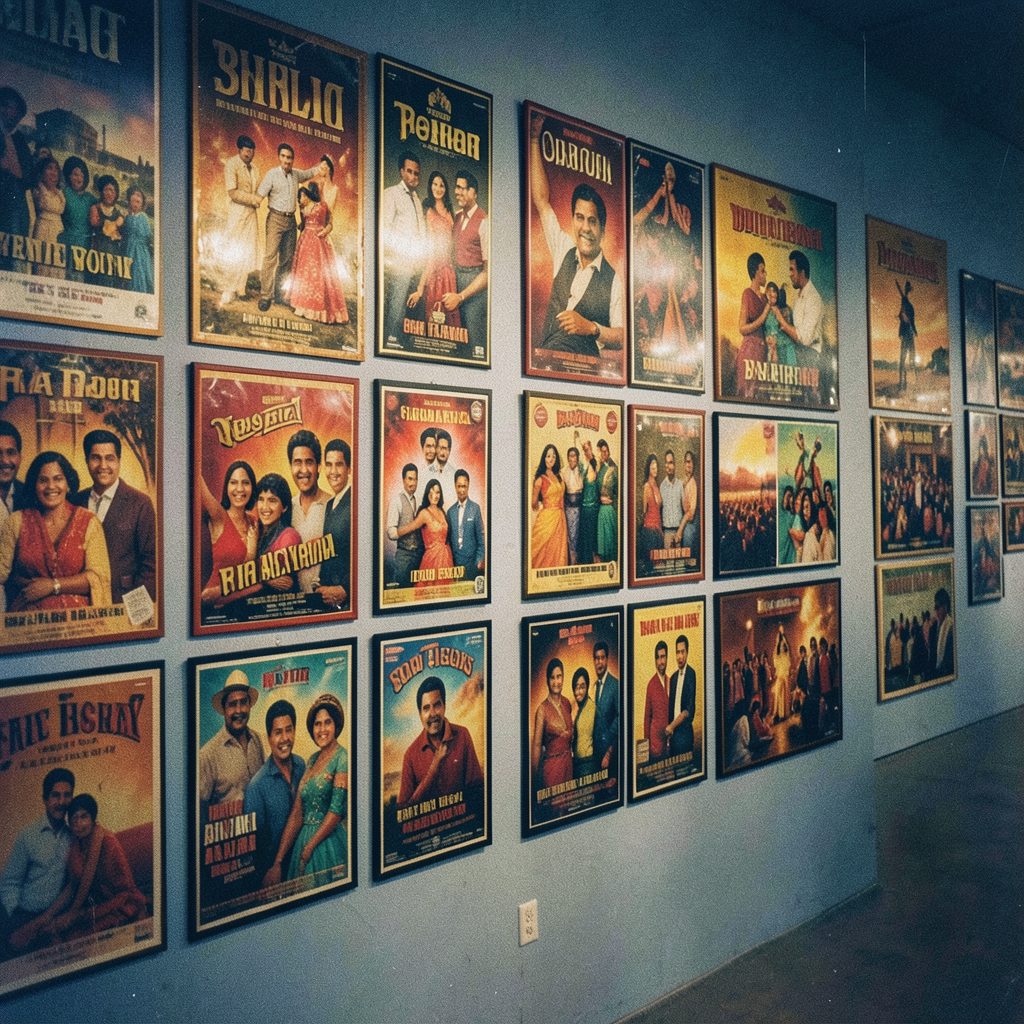

When Bollywood Turns Distant Places Into Fan Destinations
Bollywood has long treated travel as more than background scenery. Snow-covered mountains, European plazas, coastal roads, and intimate city cafés often become part of a film’s emotional language. A location can represent romance, freedom, reinvention, or the thrilling uncertainty of starting over.
For audiences, these places gain a second identity through Hindi cinema. A railway station may become a pilgrimage site, a Spanish festival may enter the imagination of millions, and an ordinary street can become instantly recognizable after appearing in a popular song.
This connection between movies and travel is often called film tourism. Fans visit locations to recreate scenes, photograph iconic backdrops, taste local food, and experience the atmosphere associated with beloved characters. These five examples show how Bollywood storytelling helped turn overseas settings into memorable holiday choices.
Switzerland Became The Home Of Bollywood Romance
Few international destinations are as closely associated with Hindi films as Switzerland. The country’s alpine scenery, wooden chalets, green meadows, and dramatic mountain railways became a visual shorthand for romance, especially through the songs and scenes of Dilwale Dulhania Le Jayenge.
The film’s European journey helped establish locations such as Interlaken, Gstaad, and the Swiss Alps in the minds of Indian viewers. Raj and Simran’s relationship unfolded through landscapes that felt grand yet intimate, making Switzerland appear like the perfect setting for love, family reconciliation, and musical escapes.
Travelers still seek out viewpoints, train routes, and countryside locations connected with classic Bollywood songs. Swiss tourism campaigns have also recognized the value of this association, welcoming Indian visitors who arrive with film-inspired itineraries and a desire to capture their own version of a familiar cinematic moment.
Spain Turned Adventure Into A Holiday Fantasy
Zindagi Na Milegi Dobara presented Spain as a destination for friendship, self-discovery, and spontaneous adventure. The story moved through Barcelona, Costa Brava, Seville, and Buñol, giving each place a distinct role in the characters’ road trip.
The La Tomatina sequence was especially influential. The colorful festival in Buñol became recognizable to viewers who had never previously encountered it, while the film’s skydiving, deep-sea diving, and bull-running episodes made Spain feel energetic and accessible. Its locations were not simply scenic inserts; they shaped the emotional progress of the three friends.
After the film’s release, Spain became a popular choice for group holidays and themed travel among Indian audiences. Fans began combining major urban attractions with road-trip routes, beach towns, and festival experiences. The movie also encouraged travelers to view Spain through the lens of shared memories rather than conventional sightseeing alone.
New Zealand Found A New Bollywood Audience
New Zealand’s mountains, lakes, and wide-open roads gained strong visibility in Hindi cinema through films such as Kaho Naa... Pyaar Hai and I Hate Luv Storys. Their landscapes offered something different from the familiar European romance: cleaner horizons, striking wilderness, and a sense of cinematic scale.
The country’s appeal lies in its variety. Auckland provides an urban gateway, Queenstown adds adventure sports and alpine scenery, while the South Island offers glacial lakes, winding roads, and dramatic valleys. Bollywood songs filmed against these backdrops made New Zealand attractive to couples, honeymooners, and younger travelers looking for active holidays.
Film tourism rarely depends on one landmark alone. In New Zealand’s case, the wider landscape became the star. Indian visitors could follow a route inspired by a movie while adding bungee jumping, scenic cruises, hiking, and local food to the itinerary. The result was a destination image built around freedom and outdoor excitement.
Paris And Amsterdam Made Solo Travel Feel Cinematic
Queen gave Paris a different Bollywood identity. Instead of presenting the city only as a backdrop for glamour or romance, the film used it as a space where Rani discovers confidence after a broken engagement. Cafés, streets, nightclubs, and everyday encounters helped turn the city into a setting for personal transformation.
The film later moved to Amsterdam, where the protagonist formed unexpected friendships and experienced a broader sense of independence. This portrayal resonated with viewers who saw international travel as an opportunity to rebuild their identity rather than simply enjoy luxury.
The influence of Queen extended beyond specific attractions. It encouraged conversations about solo female travel, cultural openness, and the emotional value of leaving familiar surroundings. Paris and Amsterdam became connected with a kind of travel that was spontaneous, imperfect, and deeply personal.
| Film connection | Featured destination | Travel image created | Experiences fans often seek |
|---|---|---|---|
| Dilwale Dulhania Le Jayenge | Switzerland | Romantic alpine escape | Mountain trains, villages, scenic viewpoints |
| Zindagi Na Milegi Dobara | Spain | Friendship and adventure | Road trips, festivals, beaches, outdoor sports |
| Kaho Naa... Pyaar Hai | New Zealand | Open landscapes and excitement | Lakes, hiking, bungee jumping, scenic drives |
| Queen | Paris and Amsterdam | Independence and self-discovery | Cafés, city walks, nightlife, cultural tours |
| Tamasha | Corsica | Imagination and emotional renewal | Coastal villages, island roads, Mediterranean scenery |
Corsica Became A Symbol Of Reinvention
Tamasha used Corsica to explore identity, creativity, and the tension between social expectations and personal dreams. The island’s Mediterranean coastline, winding roads, and old-world villages created a visual contrast with the structured life its central character had been living.
Corsica was particularly effective because it felt less familiar to mainstream Indian audiences than Paris, London, or Switzerland. The setting gave the film a sense of discovery, while its rugged coastline and relaxed pace supported the idea of temporarily stepping outside ordinary responsibilities.
After watching the film, many viewers became curious about Corsica’s beaches, mountain routes, and historic towns. The destination appealed to travelers seeking a quieter European experience, especially those interested in scenic drives and cultural immersion rather than a checklist of famous monuments.
Why Movie Locations Stay In The Memory
A successful travel location in a Bollywood film usually performs several jobs at once. It creates visual beauty, supports the mood of the story, and becomes connected to a character’s turning point. Audiences remember the place because they remember what happened there.
Music strengthens that memory. A song repeated through television, streaming platforms, social media clips, and wedding performances can make a foreign landscape familiar long before a viewer visits it. Fashion, choreography, and celebrity appeal add further layers, turning a destination into part of Bollywood’s wider lifestyle culture. Coverage of a Bollywood awards gala reflects the same star-driven ecosystem that helps films influence travel and consumer choices.
Social media has made the connection even more visible. Travelers now post recreations of dance sequences, identify exact shooting spots, and build location guides for other fans. Tourism boards and hotels can respond by offering themed tours, photo stops, and itineraries connected with famous productions.
Planning A Film-Inspired Holiday
A movie-inspired trip works best when the film is treated as a starting point rather than a complete travel guide. Locations may have changed, access can be restricted, and scenes are often edited to combine several places. Researching the real geography helps turn cinematic excitement into a practical itinerary.
Travelers can preserve the magic while respecting local communities and landscapes through a few simple habits:
- Verify the exact shooting location before booking transport or accommodation.
- Mix famous film spots with local museums, restaurants, markets, and neighborhood walks.
- Check festival dates, seasonal weather, and access rules for rural or protected areas.
- Recreate memorable scenes responsibly without blocking public spaces or disturbing residents.
- Support local guides and businesses that provide accurate, community-based experiences.
Bollywood’s influence on tourism comes from emotion as much as geography. Switzerland represents enduring romance, Spain suggests friendship and adventure, New Zealand offers freedom, Paris and Amsterdam evoke independence, and Corsica invites reinvention. These associations can outlive a film’s theatrical run because they attach real destinations to feelings audiences already understand.
For fans of Hindi cinema, the next trip can become a personal extension of a favorite story. Explore these locations through their films, then build a respectful itinerary that reveals the real culture, history, and people beyond the frame.